31 July 2026
Crestron knowledge base
Articles on Crestron Home, legacy Crestron recovery, lighting control, system design and right-sized automation decisions for South African homes.
31 July 2026
31 July 2026
15 July 2026
A practical guide to choosing the right Crestron approach for a residential project, and why the most expensive system is not always the best engineered system.
Why old Crestron systems should be inspected, documented and tested before a homeowner commits to a full replacement.
Before replacing a legacy Crestron system, DG Technologies explains why the original design, wiring, loads, rooms and user expectations must be understood first.
Boardroom audio should be tested with presentations, calls and normal speech so microphones, speakers, source levels and room control work together in practice.
Why a premium home may need the automation backbone installed early, even if only some circuits and rooms are automated on day one.
AV-over-IP can provide flexible routing for larger rooms and connected spaces, while simpler rooms may need a more direct signal path.
A reliable boardroom should have a clear everyday meeting path and a practical fallback for visitors, platform changes or presentation problems.
Good automation is not about automating everything. Sometimes the best design decision is choosing what should remain simple, manual or staged.
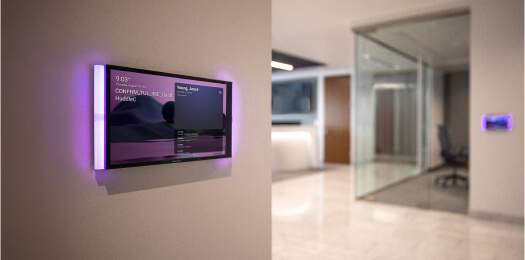
Room scheduling panels give staff immediate information about availability and help businesses manage several meeting spaces more clearly.
Camera position, display size, participant sightlines and presenter location all affect the quality of a boardroom video meeting.
Large institutional AV deployments benefit from backup equipment, programming records and a recovery process that protects rooms when a component fails.
Commercial AV equipment, programming and commissioning depend on one another. Procurement decisions should leave enough time and information for the system to be configured properly.
Cinema room planning should happen before construction locks in ceiling heights, seating, projector throw, speaker positions, screen size, lighting control, conduits and service access.
Lighting control for new builds needs early decisions around circuits, dimmers, relays, keypad positions, LED loads, outdoor circuits, backup power and DB space.
After handover, small changes to room names, router settings, source devices and temporary repairs should be logged so the system remains understandable.
Multiroom audio should be enjoyable without becoming chaotic. Zone volume limits help protect speakers, neighbours, guests and the client's daily comfort.
Smart home handover on move-in day is useful, but a follow-up training session after real use often reveals what the client actually needs.
Smart home projects depend on equipment availability, approvals, deposits and build sequencing. Procurement timing can affect design, labour and completion.
Room names, source names and device names in a smart-home app should match how the family, guests and staff actually refer to the home.
A premium cinema may need a simple guest mode so visitors can watch a movie without seeing complex controls or calling the homeowner.
A smart home installer needs to know which circuits are inverter-backed, which are grid-only and how the home should behave during load shedding.
Moving an Apple TV, decoder, streamer or media player can affect HDMI, control, networking, audio routing and user experience in a smart-home system.
A technically correct interface is not always the best interface. Smart home screens should sometimes be shaped around how the family actually uses the rooms.
A system that works while everything is already on may still fail after a full restart. Cold-start testing exposes power-up order and recovery issues.
The last part of a smart home project is where names, scenes, remotes, app layouts, testing and client behaviour are refined. It should not be rushed.
Practical home automation ideas for luxury homes, focused on scenes, guest use, lighting, audio, Wi-Fi, security, power recovery and supportability.
A plain-English explanation of how home automation works in a real South African home, from user commands to controllers, network, cabling and programmed scenes.
How to setup home automation properly in a serious home: start with rooms, infrastructure, network, power, scenes, handover and support before buying devices.
A practical guide to what a proper home automation system should include in a serious South African home, from lighting and audio to Wi-Fi, CCTV, power and support.
Smart-home app favourites should reflect how the family uses the house, not how the installer thinks the system is organised technically.
Opening a gate from an app is useful, but premium homes also need reliable feedback showing whether the gate is open, closed or unknown.
Lighting scenes should be checked after furniture, artwork, curtains and daily room use are in place because the finished home changes how lighting feels.
Crestron Home makes residential automation cleaner, but serious homes still need disciplined testing of rooms, scenes, networks, power recovery and user behaviour.
Automation should make life easier, not trap the homeowner. Good smart home design includes manual fallback options for important functions.
A practical DG Technologies update on recent Crestron boardroom AV videos covering 1 Beyond i12D, Automate VX, Videobar 70 and DM NAX Intelligent Audio.
How to choose between a native Teams or Zoom room, wireless presentation, BYOD conferencing and a hybrid boardroom workflow.
How Crestron Automate VX, 1 Beyond i12D and intelligent video change the way remote participants experience a boardroom meeting.
Why larger boardrooms, multiple displays, flexible sources and hybrid meeting rooms often need proper AV-over-IP planning instead of another HDMI extender.
Why microphone placement, echo cancellation, room acoustics and speaker design matter more than most screen-first boardroom AV quotes admit.
Experience with older receivers, IR control, analogue sources, early Crestron systems and legacy cabling helps modern integrators design better systems today.
A documented Durban residential project shows why large smart homes depend on lighting records, commissioning and a calm user experience, not only expensive equipment.
Exterior lighting should not be a mix of timers, sensors and app buttons nobody understands. Good logic keeps garden and pathway lighting predictable.
Geyser automation can be useful, but it needs correct electrical design, load control, labelling, override logic and clear ownership.
Motion sensors must suit the room, client expectation, mounting position, control system and finish. Detection is only one part of the decision.
Outdoor automation is not just another lighting circuit. Pool lights, pumps and exterior loads need electrical coordination, protection and clear control logic.
Every extra lighting, pool, garden or utility load needs real control capacity. Relay planning prevents late-stage surprises and rushed compromises.
Many older Crestron homes can be upgraded carefully, but the right answer depends on wiring, lighting modules, processors, touchscreens, audio, network and how the family uses the home.
A practical maintenance checklist for Crestron, AV, Wi-Fi, CCTV and lighting systems in occupied luxury homes.
Buying a luxury home with an existing Crestron system? Here are the questions to ask before you inherit the automation, lighting, AV and network.
Crestron lighting faults should be diagnosed from the load, keypad, module, power supply, wiring, programming and network before parts are replaced.
Crestron touchscreens, apps and audio controls can feel slow when the underlying network, router, switching or IP addressing has not been managed properly.
Crestron lighting control depends on clear coordination between the electrician and automation integrator: loads, returns, breakers, relays and dimmers all matter.
Fingerprint and biometric access can be useful, but premium homes still need practical fallback control through keypads, intercoms, Crestron logic or managed access.
Crestron source files, drawings, labels and system documentation protect the homeowner from lock-in, guesswork and expensive support years later.
Crestron and AV support in occupied luxury homes is not only technical. It needs access planning, discretion, house-manager handover and low-disruption work.
Why adding extra lights, iPad controls, relays or Crestron functions is not always only programming; the physical panel and spare capacity matter.
Crestron, audio, TV and lighting systems should use room names and source labels the client actually understands before handover, not installer shorthand.
Older Crestron homes often depend on iPads, Apple TVs, decoders, amplifiers and source devices that changed over time. Support must diagnose the full chain.
Smart lighting switches need the correct switch type, wiring method and module plan. Bell-press specification should be confirmed before first fix.
Motion sensors in premium homes need more than wiring. Sensor type, position, manual override, Crestron logic and the client's expectations all affect the result.
Pool lights, garden lighting, geysers, pumps, garage doors and outdoor circuits often get requested late. They should be identified before the automation DB is designed.
A field-based explanation of how a single faulty relay, power supply or control device can create wider symptoms in a Crestron or smart-home system.
Projector brightness depends on screen size, screen material, room lighting, wall colour, viewing habits and support. Lumens alone do not tell the full story.
Motion sensors can make exterior and passage lighting easier, but premium homes still need clear manual override behaviour so the system respects real life.
A cinema room is not only a screen and speakers. Seating height, viewing angles, risers, walkways and step lighting affect how the room feels every night.
Why premium homes in Durban, Umhlanga, Mount Edgecombe, Zimbali and Simbithi need proper network design before CCTV, audio, smart-home control and streaming can work reliably.
A practical look at how DG Technologies thinks through smart-home, Crestron, AV, CCTV and networking projects: judgement, documentation, simplicity and honest engineering.
Security lighting can help CCTV, but it can also ruin footage if it creates glare, shadows or overexposed scenes. The two systems should be designed together.
A practical look at why home cinema and AV systems should be designed around control, cabling, sources and future upgrades from the start.
A practical Durban and KZN guide to understanding cheap smart home, CCTV, Wi-Fi and AV quotes, and why the right system is usually the one designed for long-term reliability.
Smart-home app room names, source labels and scenes should use the language of the household, not installer shorthand or equipment names.
DG Technologies explains the next level of home automation research: AI-assisted homes that can investigate, reason and act from real system data.
Choosing the best home automation installer in KZN is not only about brand names. It is about reliability, judgement, client fit, infrastructure and long-term support.
Smart home automation can improve resale value, but only when the system is reliable, documented, serviceable and simple for the next owner to use.
A practical South African guide to smart home, home automation, lighting control, Crestron Home, AV, CCTV, Wi-Fi and related terminology.
Why professional smart home and Crestron installations need proper router management, IP reservations, network control and secure remote access.
The best savings in a smart-home quotation usually come from better decisions, not cheaper products.
Cinema lighting scenes affect picture quality, safety, mood, cleaning, pause behaviour and the way a home cinema feels in everyday use.
A smart home is not only the equipment installed on day one. It should be designed so it can be maintained, repaired and understood years later.
A trustworthy smart home quote should explain where money is worth spending and where equipment would add cost without improving the home.
One-touch smart-home control only works properly when the lighting, network, audio, cabling and programming underneath are reliable.
A solar or inverter system keeps the house running, but sensitive smart home, network and CCTV equipment still benefits from clean rack-level UPS protection.
Many smart-home faults look like app, camera, audio or automation problems, but the first place to check is often the network underneath.
A proper smart-home quotation should help the client make decisions. Options, priorities and explanations are often more valuable than one rigid equipment list.
Many AV and smart home systems fail because years of TV, decoder, network, app and equipment changes create hidden technical debt.
A good lighting-control system is designed from the electrical circuits and loads first. The keypad is only the part the client sees.
Crestron DM NAX streaming amplifiers reduce external streamers, simplify source routing and make modern Crestron Home multiroom audio more reliable.
When a smart home project is outside the normal support area, the design has to remove guesswork before anyone travels, ships equipment or closes ceilings.
The practical drawings, schedules and decisions a Crestron and smart-home installer should provide before electrical first fix on a premium KZN home.
What homeowners should expect from a professional smart-home, Crestron, AV, CCTV, Wi-Fi or lighting-control rescue report before repairs begin.
A practical architect briefing guide for premium residential smart home, AV, Wi-Fi, CCTV, lighting control and infrastructure planning before design decisions become fixed.
A smart home consultation should uncover how the home is used before equipment is specified. Here is what homeowners should expect from a proper first conversation.
A practical decision guide for KZN homeowners with unreliable legacy Crestron systems: when to repair, recommission, upgrade or replace.
A practical planning guide for very large Durban and KZN homes where automation, networking, lighting, CCTV, AV and support must be designed as one infrastructure system.
A practical guide for interior designers who want clean rooms, hidden technology and reliable smart home performance in premium residential projects.
How interior designers can coordinate Crestron keypads, touchscreens and lighting controls so walls stay clean and rooms remain easy to use.
A technical but practical guide to inherited Crestron and smart home problems in Mount Edgecombe Estate homes, and how DG Technologies approaches rescue work.
Why large homes in Durban, Mount Edgecombe, Zimbali, Simbithi and the KZN coast need Crestron Home designed around infrastructure, not gadgets.
A practical guide to deciding where Crestron Home touchscreens are worth installing, and where app, keypad or remote control may be the better value.
Crestron lighting control should be designed around circuits, LED compatibility and real room use, not simply by dimming every light in the home.
Large private homes need smart-home systems designed for more than the owner, including house managers, staff, guests and support teams.
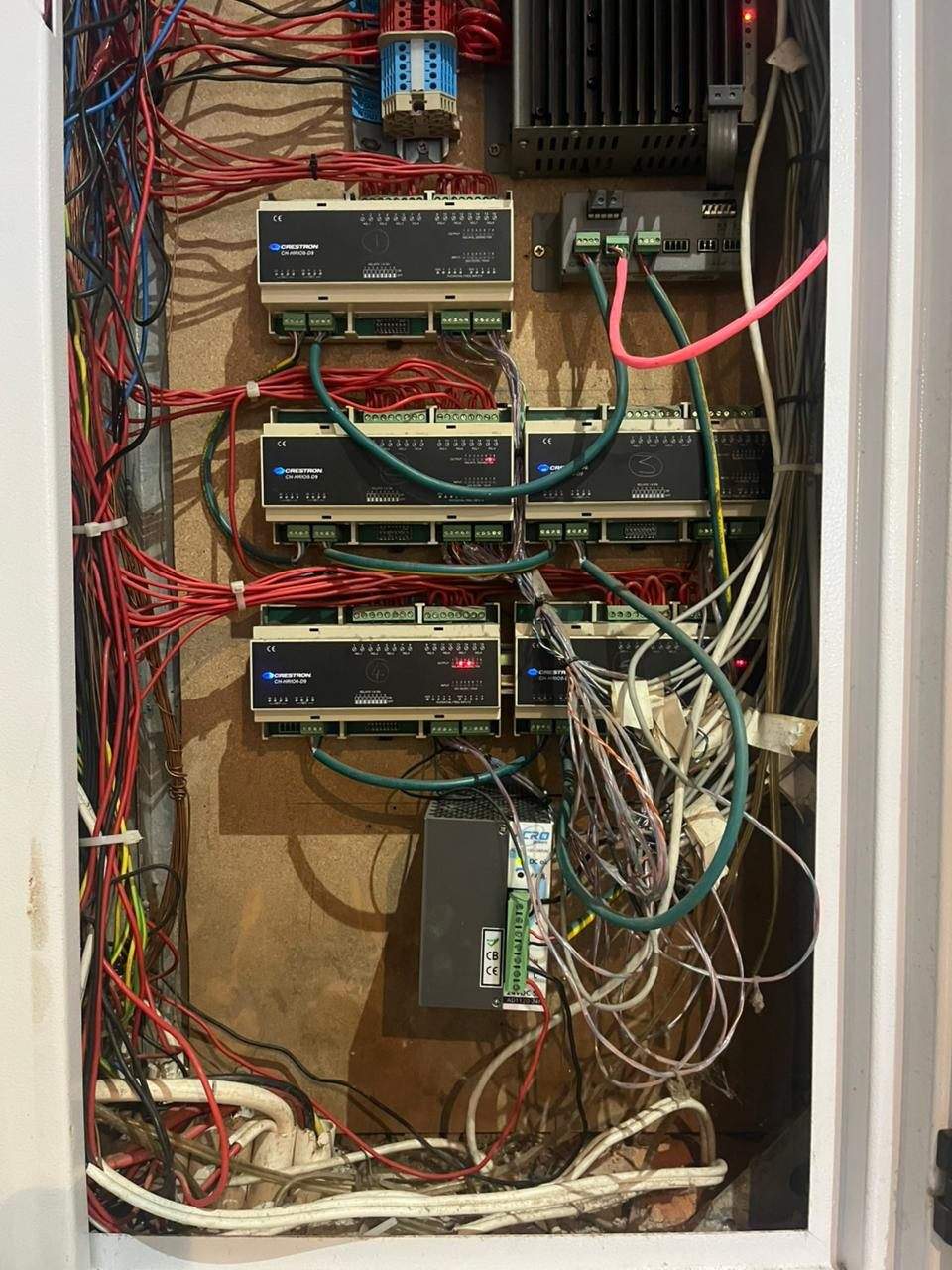
The equipment rack is often hidden from view, but it says a lot about how a smart home was designed, installed, documented and prepared for support.
Smart lighting design is not about dimming everything. In modern homes, the better engineering decision is often choosing which circuits need dimming and which should use relays.
Why a staged smart-home upgrade can protect budget, reduce waste and improve reliability when an existing system still has useful equipment.
Why premium KZN homes need a written technology brief before an AV, home automation, lighting, security, Wi-Fi or multiroom audio quote can be designed properly.
A practical guide for homeowners, architects and interior designers on why TVs, speakers, keypads, touch panels, access points, cameras, lighting scenes, racks and cable routes should be planned before final finishes close.
A properly documented smart home is easier to service, upgrade, repair and understand long after the original installation team has left site.
Smart-home platforms, apps and devices change quickly, but good cabling, documentation, supportability and design judgement remain valuable for years.
A practical guide for Gauteng owners, estate homeowners and managing agents on planning remote support for KZN coastal holiday homes from the start.
Premium smart lighting is not about filling a home with smart bulbs. It is about well-designed lighting scenes, reliable control, correct LED compatibility and practical room-by-room use.
Luxury home automation should reduce friction, visual clutter and daily decisions. DG Technologies explains why calm control, reliable scenes and discreet design matter in premium KZN homes.
Why multiroom audio design should be based on lifestyle, room flow, entertainment habits and supportability, not simply on creating as many zones as possible.
A proper home cinema is a room designed as a system: picture, sound, acoustics, lighting, control, ventilation, seating and support all have to work together.
A practical Durban and KZN guide to why a smart home quote should explain the engineering decisions behind the equipment list, including what to keep, replace, simplify or leave out.
The best home automation systems are not designed around technology first. They are designed around the people, routines and decisions inside the home.
A smart home should not only work for the owner. It should make daily life simple for family, guests, staff and trusted visitors without weakening privacy or security.
Crestron Home can be a practical, maintainable platform for premium KZN homes when the design is based on how the family actually lives.
A practical Durban and KZN view on why Crestron Home is often the right-sized automation platform for luxury residential homes that need reliable control, maintainable setup and easier long-term support.
A practical look at how DG Technologies assesses existing smart-home, AV, CCTV, Wi-Fi and Crestron systems before recommending what should stay, what should go and why.
The real test of a smart home is not how many features it has. It is whether the homeowner can use it confidently when the installer leaves.
A practical guide to why smart homes can become unreliable over time, from networks and lighting loads to undocumented racks and ageing equipment.
A practical look at how DG Technologies assesses unreliable Crestron, lighting, audio, Wi-Fi, CCTV and AV systems before recommending repairs or upgrades.
A practical checklist for KZN estate homeowners choosing a home automation, Crestron, CCTV, Wi-Fi or AV company for a private residence.
A smart home is not finished when the equipment is installed. Proper support starts with documentation, reliable design and someone who understands the system later.
Why a good amplifier does not always need to be replaced during a smart-home, cinema or multiroom audio upgrade.
A practical guide for Mount Edgecombe homeowners with unreliable legacy Crestron systems, including common faults, repair options and when to upgrade.
A practical 2026 guide to why DG Technologies specifies Crestron Home for serious residential automation projects in South Africa.
A practical guide to why Android users planning a serious South African smart home should look at the Crestron Home app and Crestron Home system.
A practical South African guide to the Crestron Home app and why the system behind the app matters more than screenshots.
What premium estate homes in Zimbali, Simbithi, Mount Edgecombe and Umhlanga should expect from a properly integrated smart-home system.
A practical South African guide to why Crestron Home is still one of the strongest platforms for serious home automation projects.
A practical guide to why DG Technologies focuses on Crestron Home for serious residential automation projects in South Africa.
A practical guide to using Sonos, Crestron Home and properly designed matrix audio for South African multiroom audio projects.
From infrastructure recovery to complex automation, we solve the deep technical problems.