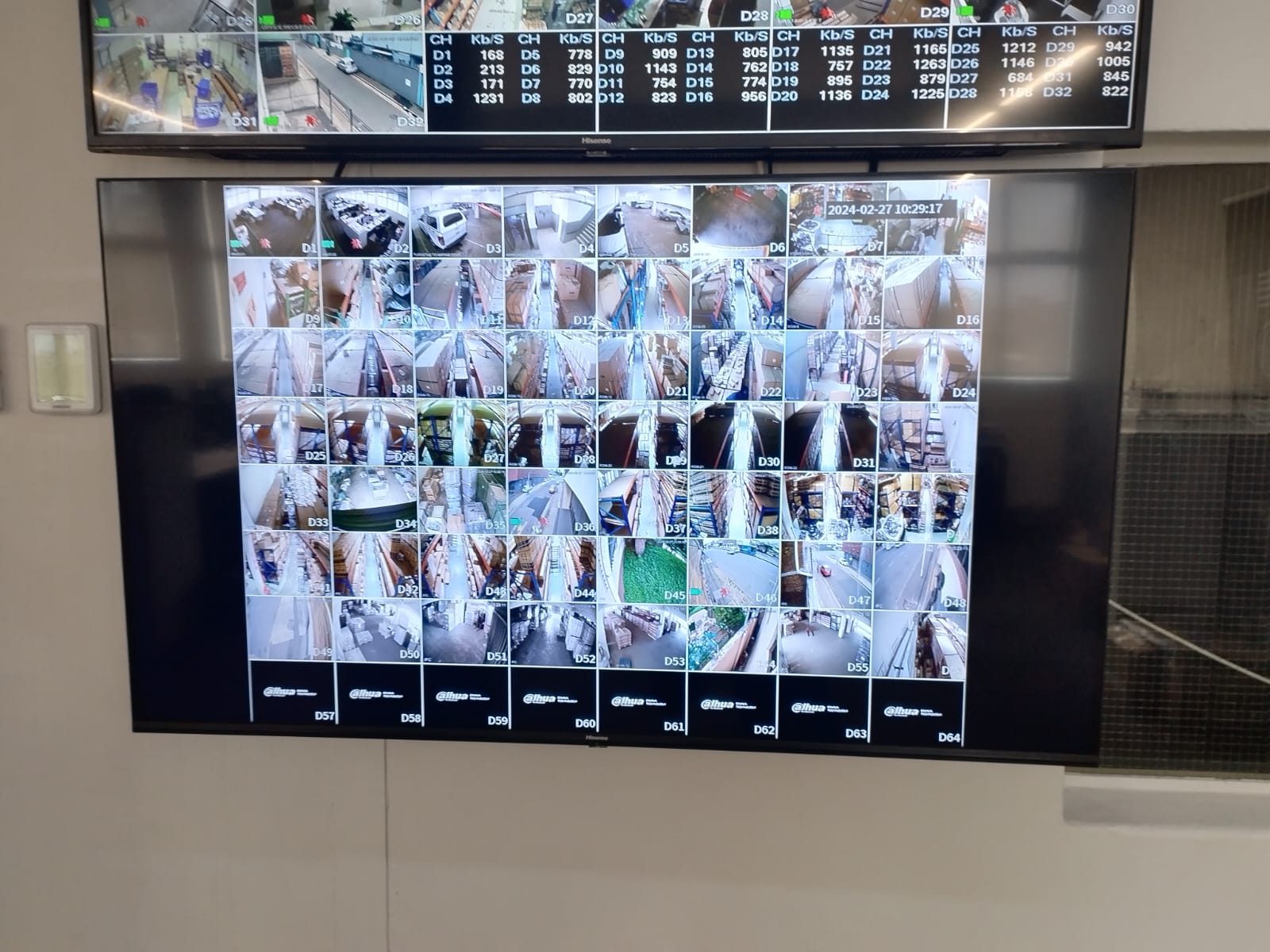
CCTV is not a camera count. A proper security system starts with what needs to be seen, identified, recorded, retrieved and supported later.
This hub gathers DG Technologies guidance on camera placement, access control, estate security, app usability, recording strategy, power and the difference between quick consumer systems and supportable professional installations.
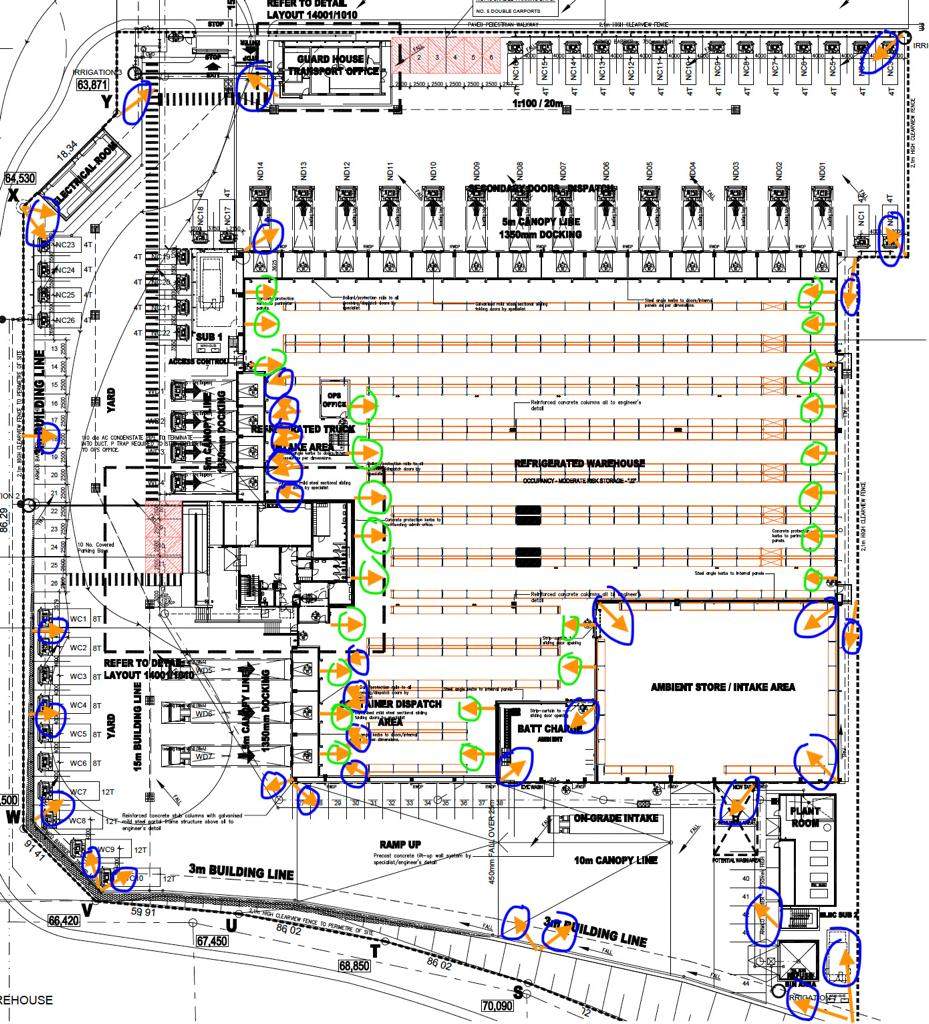
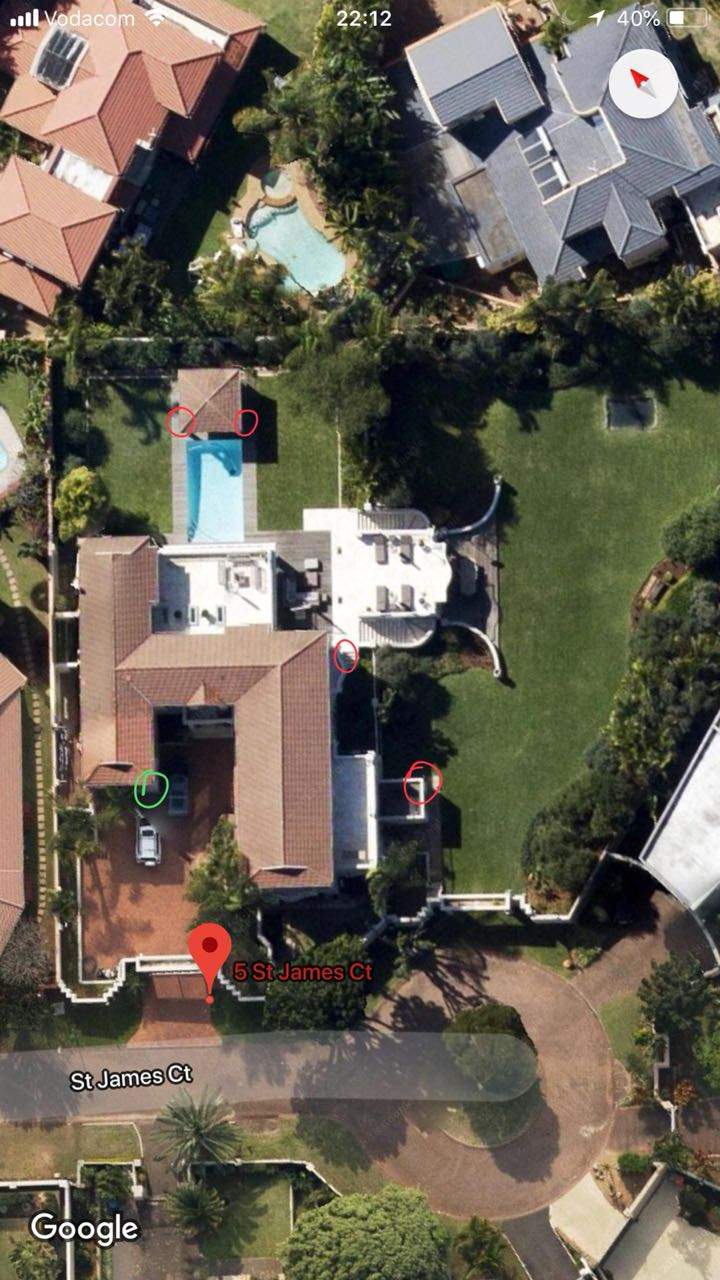
Plan views, not camera counts
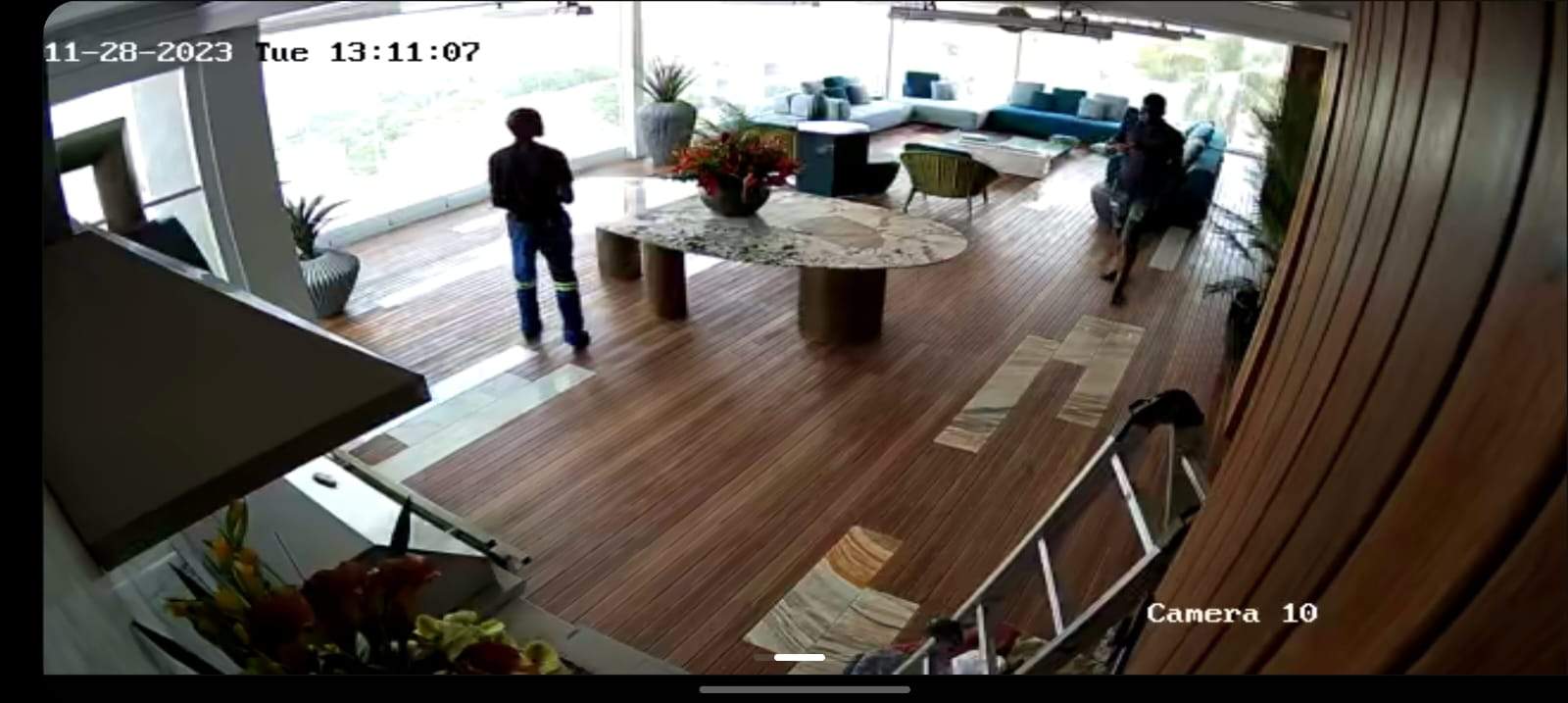
A camera only helps if it captures the right detail at the right distance. Placement should consider identification, overview, blind spots, lighting and how footage will be searched.
- Entrance, driveway, boundary and service areas need different camera choices.
- Wide views are useful, but identification needs distance and lens planning.
- Alerts should be tuned after real use, not only on installation day.
Make the system usable
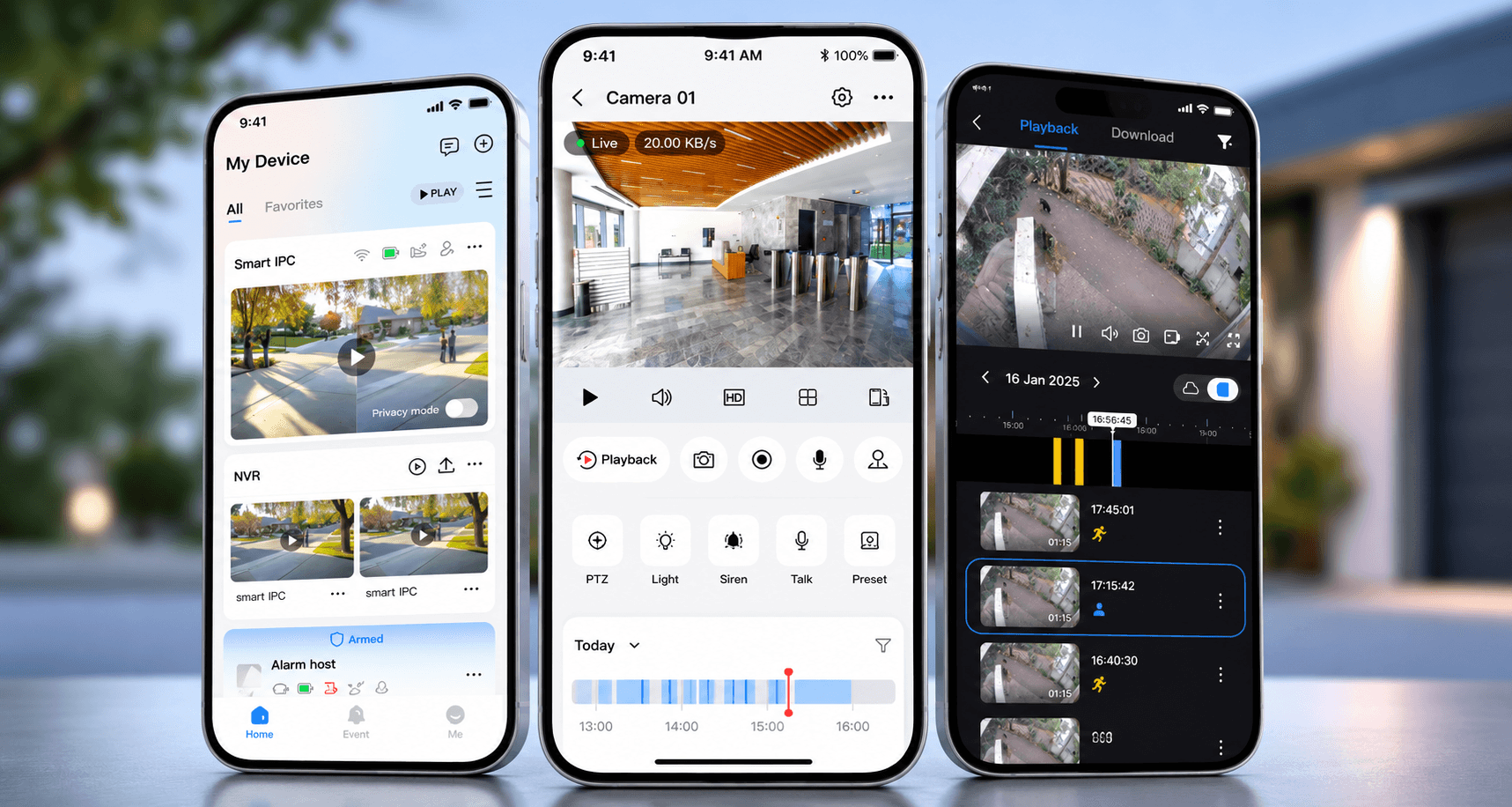
The app, recording timeline and playback experience matter when the client needs evidence quickly. A difficult system is often ignored until something goes wrong.
- Footage should be easy to identify and retrieve.
- Camera labels should match the property language.
- Remote viewing should be secure and supportable.
Design the network and power properly
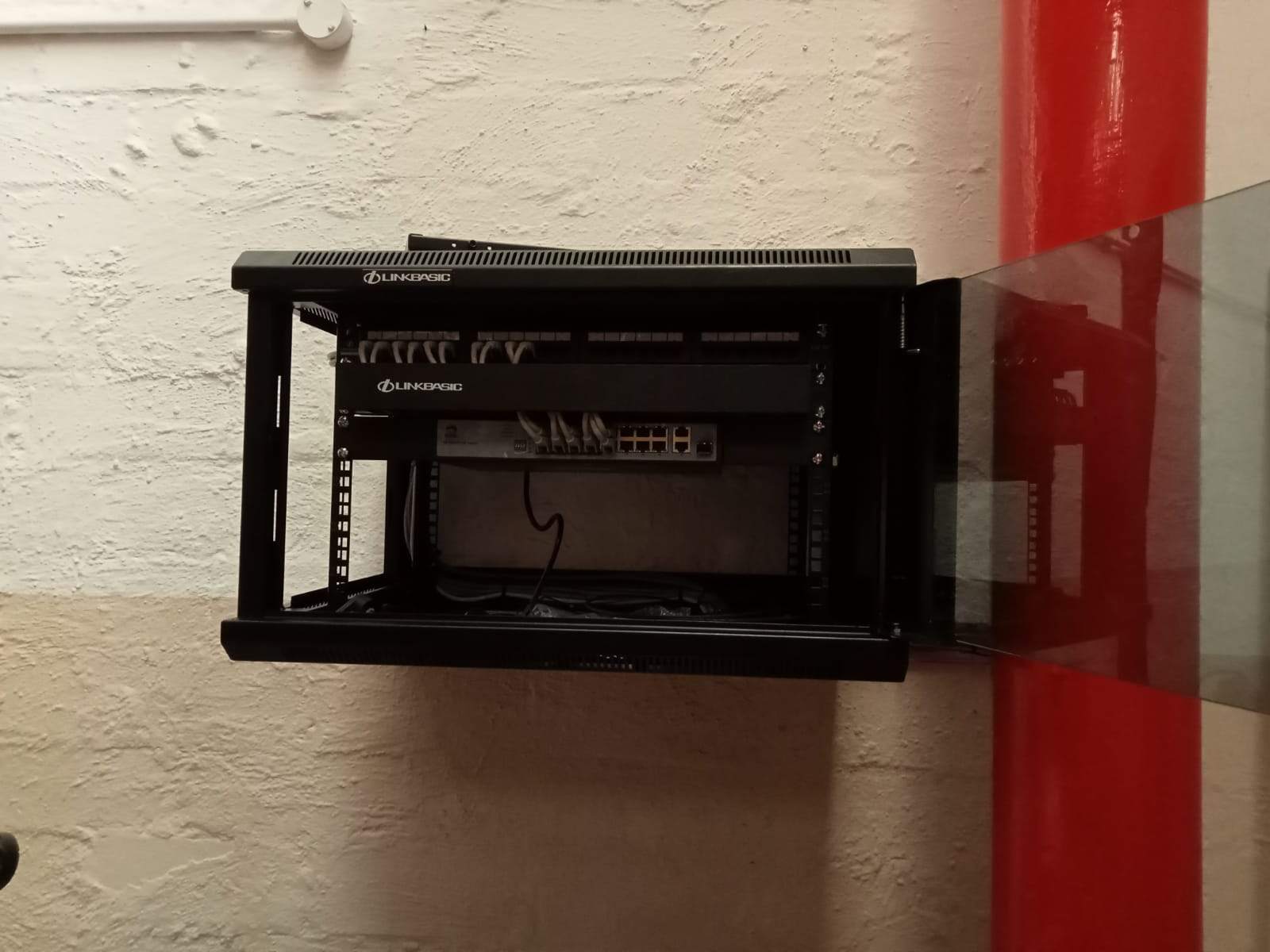
IP cameras depend on cabling, PoE, switches, recording hardware, internet access and backup power. Security reliability is an infrastructure issue.
- CCTV should be planned with the network, not added after it.
- NVR capacity and retention targets should be agreed before installation.
- Power protection helps keep recording and remote access alive during unstable supply.