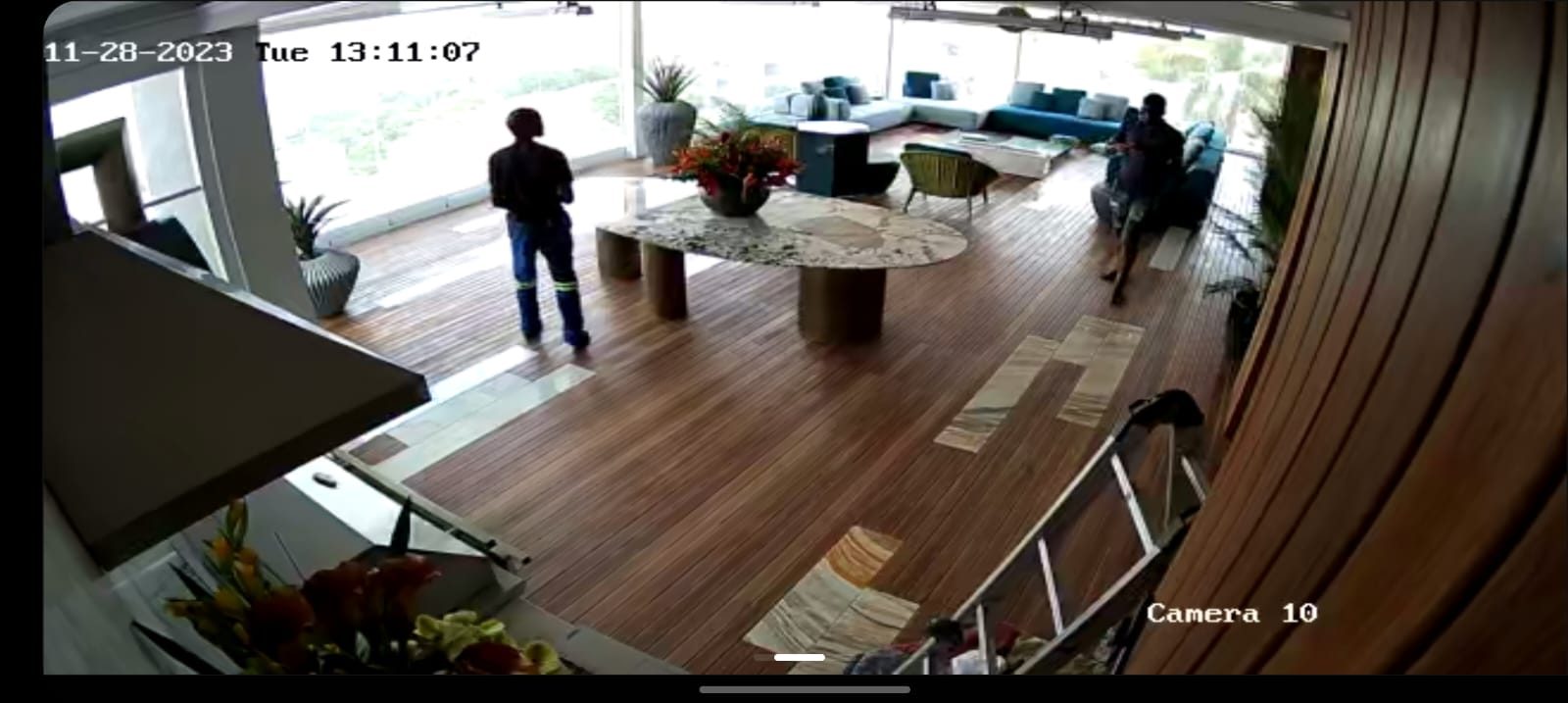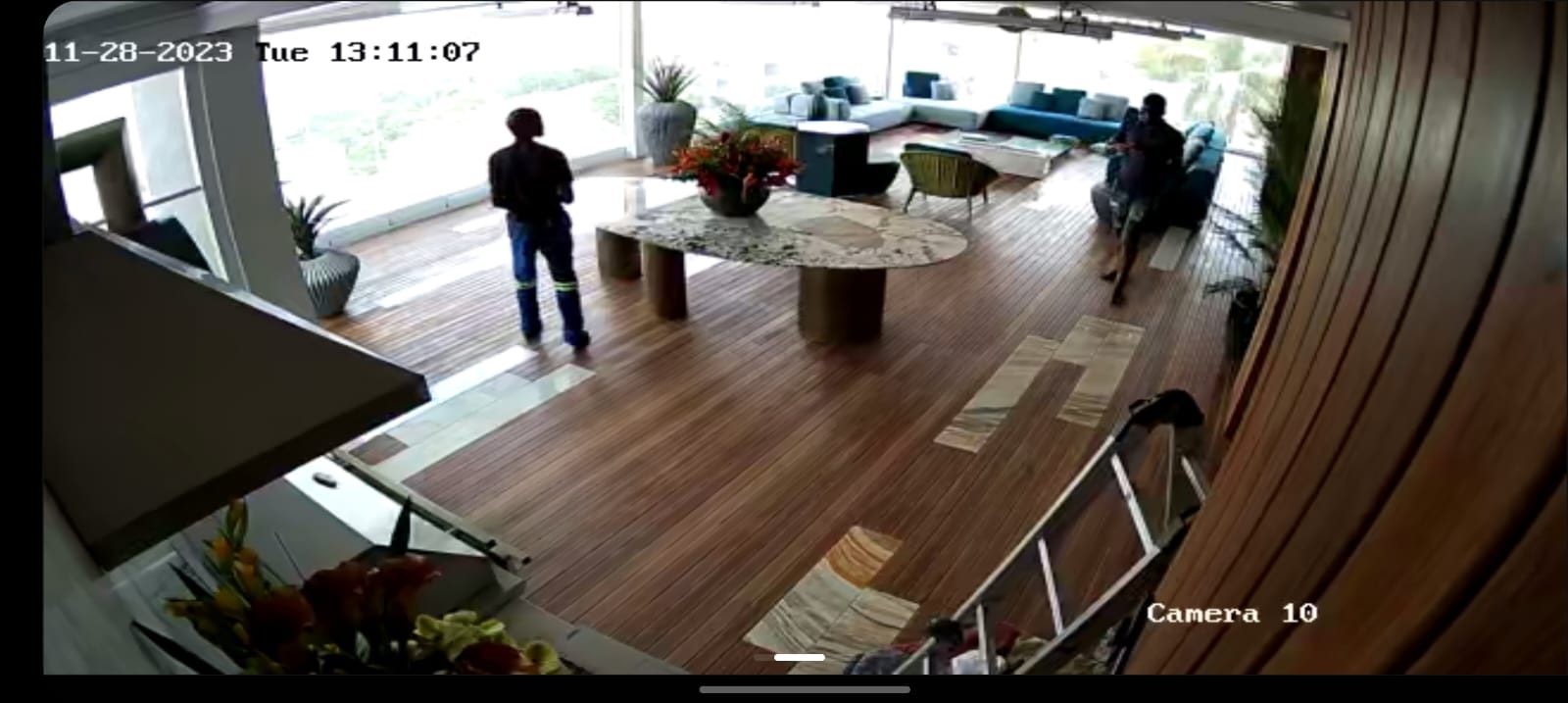
It is easy to think a CCTV system improves every time another camera is added.
More cameras must mean more security.
Not necessarily.
A badly placed camera can record hours of unusable footage. A camera facing the wrong direction can miss the event that matters. A camera with the wrong lens can show movement but not identification. A camera installed without considering lighting may be almost useless at night.
In a good CCTV system, placement matters more than camera count.
Start with what must be seen
The first question is not “how many cameras?”
The first question is “what must the system prove?”
That may include:
- who entered the property
- which vehicle arrived
- whether a gate or driveway was accessed
- what happened at a front door
- whether someone crossed a perimeter line
- what happened near a garage or staff entrance
- whether a pool or entertainment area needs visibility
Each of those questions may need a different camera position, lens and recording approach.
Wide views and identification views are different
A wide camera is useful for context.
It shows the scene. It helps a homeowner understand where movement happened. It can cover a driveway, garden, veranda or large outdoor area.
But a wide view may not be enough for identification.
If the camera is too far away, too high, or too wide, the footage may show a person without showing enough detail to identify them.
That is why some areas need tighter views: gates, doors, pedestrian paths, choke points and driveways.
A good CCTV design balances overview and identification.
Lighting changes the result
Cameras do not see the world the way people do.
Glare, darkness, reflective surfaces, headlights, bright backgrounds and low-level garden lighting can all affect footage.
A camera that looks good during the day may perform poorly at night. A camera facing a driveway may be affected by headlights. A camera near a doorway may struggle if the person is backlit.
Before installing cameras, the lighting conditions should be considered.
Sometimes the solution is not another camera. It is better positioning, a better lens, improved lighting, or a camera suited to that specific condition.
Recording and network design matter
CCTV is not only cameras.
The system also depends on cabling, PoE switching, NVR capacity, hard drive sizing, network stability, remote access, user permissions and the quality settings used for recording.
If the network is weak, cameras may drop offline.
If the recorder is undersized, footage may not be retained long enough.
If remote access is poorly configured, the homeowner may struggle to view footage when away from the property.
This is why CCTV should be designed as a system, not a shopping list.
The DG Technologies approach
DG Technologies designs CCTV and security camera systems across Durban, Umhlanga, Mount Edgecombe, Zimbali, Simbithi and the KZN coast.
We do not start by selling a camera count.
We start by understanding what the homeowner needs to see, where identification matters, how the property is used, what lighting conditions exist, and how the footage will be recorded and accessed later.
The right camera in the right place is worth more than several cameras that do not answer the security question.
Field images from DG site work