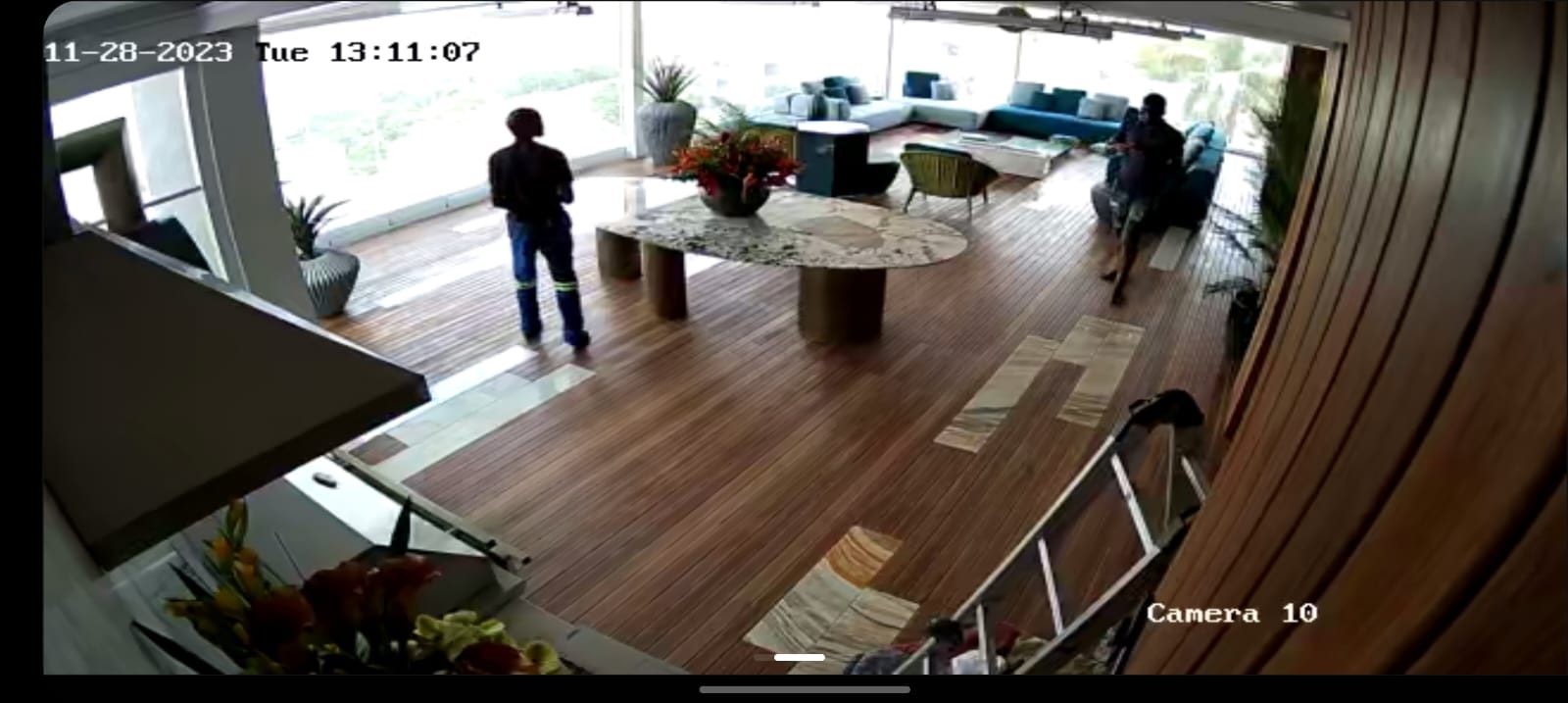
A CCTV quote is only as good as the view it is based on.
On paper, a camera position can look obvious. Put one on the corner. Put one at the gate. Put one facing the driveway. Add another to watch the loading area. The drawing looks tidy, the camera count looks sensible and the quotation looks complete.
Then you arrive onsite and reality changes the design.
The camera is too far from the important area. A tree blocks the second view. The mounting point is not high enough. The roofline creates a blind spot. The client cares more about the pedestrian gate than the driveway. A 180-degree view may be more useful than two narrow cameras. The electrical point is nearby, but the correct network route is somewhere else.
This is why DG Technologies treats camera views as a design decision, not a guess.
For professional CCTV installation, the final camera layout should be confirmed against the actual property, the actual risks and the actual way the client wants to use the system.
The important area is not always the obvious area
One of the most common CCTV mistakes is aiming the camera at the biggest space instead of the most important space.
A wide driveway view may look impressive on live view, but if the real concern is a gate latch, delivery entrance, staff door, loading bay, parking bay or pedestrian walkway, the camera may be watching too much of the wrong thing.
Good CCTV design starts with a simple question:
What must this camera prove later?
That answer changes everything.
If the client wants to know who approached the gate, the camera needs enough detail at the gate. If the client wants to see whether a truck reversed into a bay, the camera must cover that movement. If the client wants to review staff access, the angle must show the access point clearly. If the client wants perimeter awareness, height and coverage become more important than close facial detail.
The goal is not to create a beautiful grid of camera images. The goal is useful footage.
Height matters
Camera height is a compromise.
Higher cameras cover more area and are harder to tamper with. Lower cameras often capture better identifying detail. Too low, and the camera is vulnerable. Too high, and you may end up with a perfect view of the tops of heads.
This matters even more on large homes, estates, warehouses and commercial sites where distance becomes a real factor.
A camera that is mounted too far from the action may technically show the area, but it may not capture the detail the client expects. That is a very different result.
This is why site photos, test positions and view checks are valuable before equipment is finalised.
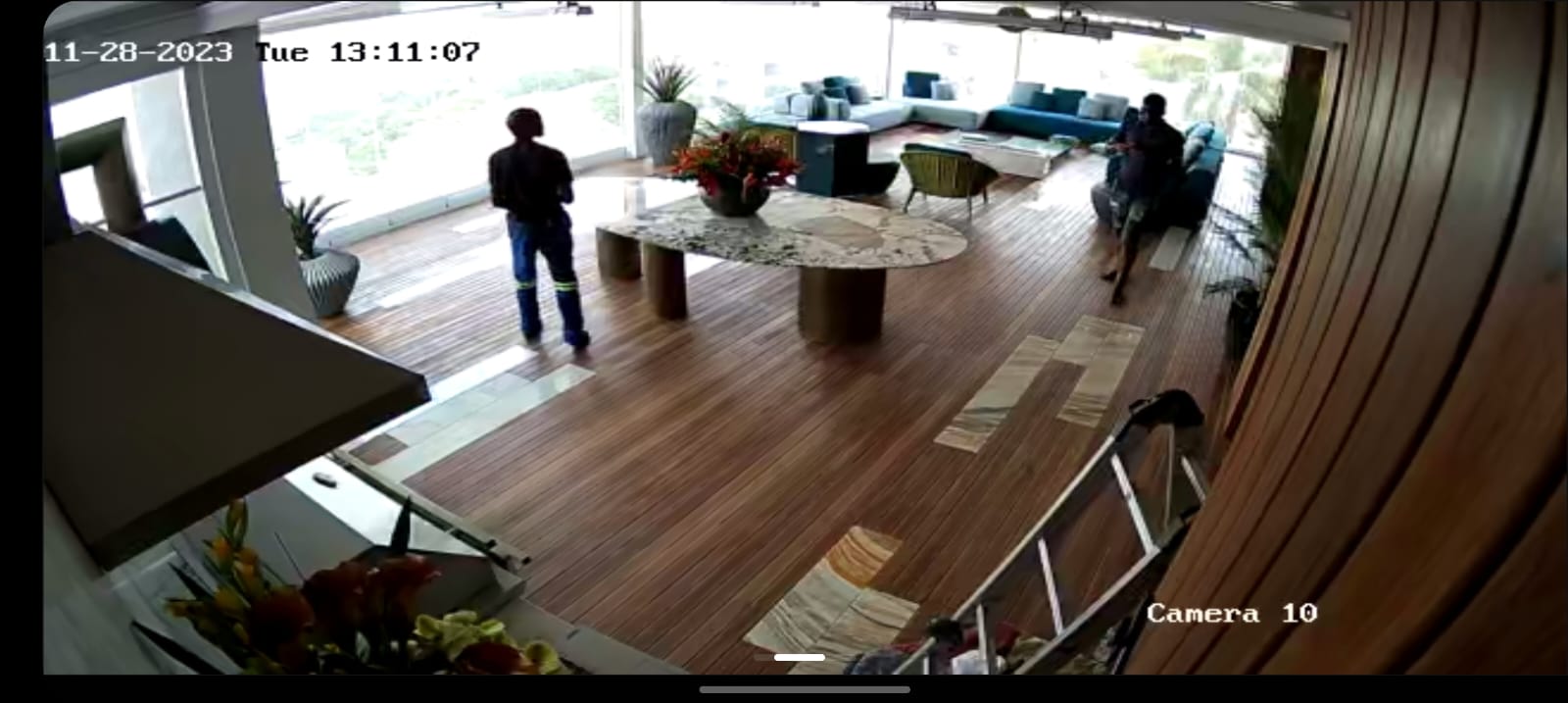
Obstructions are not always permanent
CCTV views are affected by things that do not appear on an electrical drawing:
- trees
- landscaping
- pergolas
- signage
- trucks
- parked vehicles
- boundary walls
- awnings
- gate pillars
- future renovations
A camera that works today can become compromised after garden growth, construction changes or new external furniture.
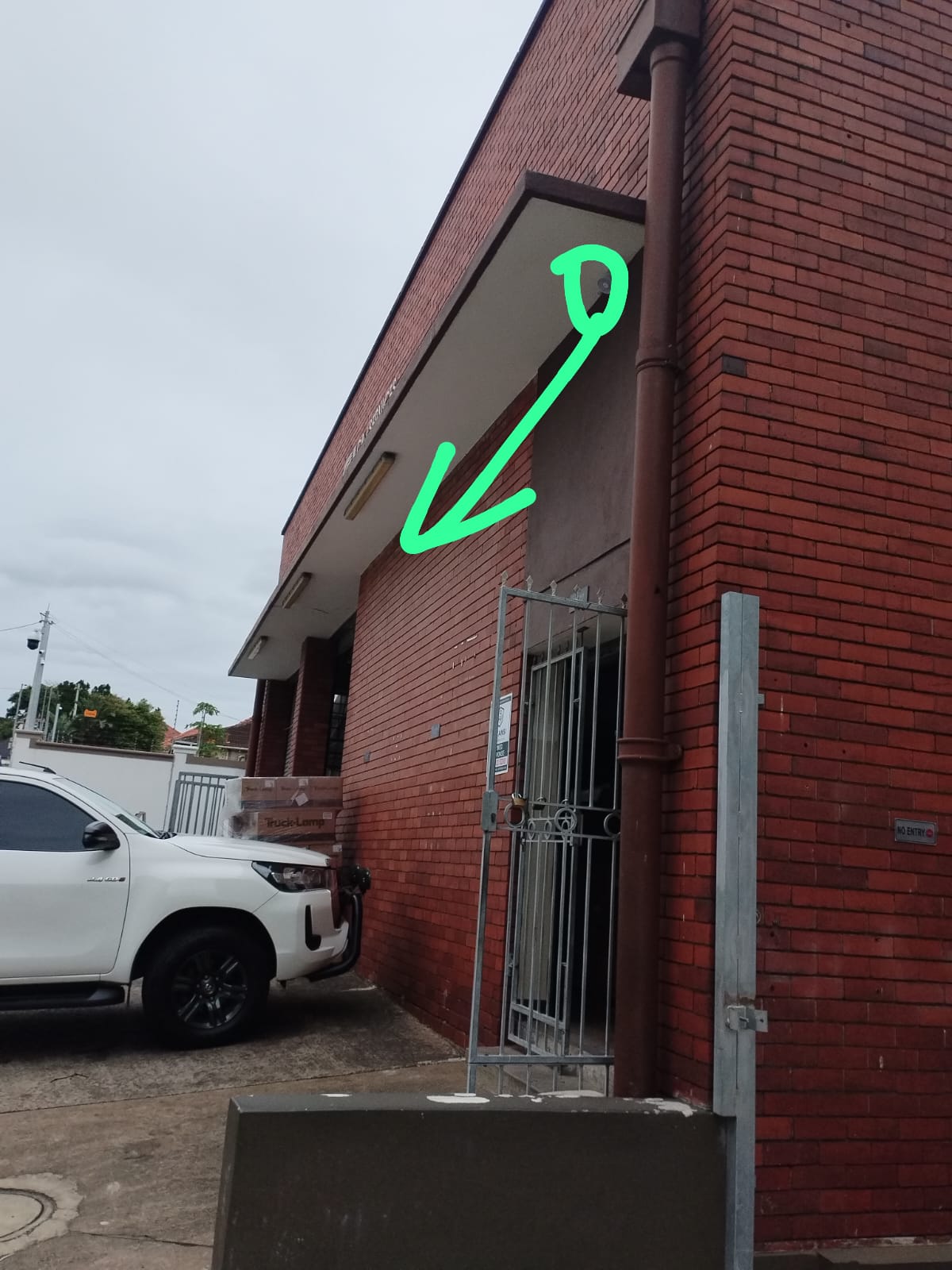
For this reason, DG Technologies prefers CCTV systems that can be serviced, reviewed and adjusted over time. A system should not be treated as finished forever on installation day.
A quoted camera count is not the design
Clients often compare quotes by camera count.
That is understandable, but it can be misleading.
Eight badly positioned cameras can be less useful than five properly positioned cameras. A camera with the wrong lens can be less useful than a cheaper camera in the correct place. A camera that is difficult to maintain can become a future support problem, even if the view is good today.
The proper conversation is not only:
How many cameras are included?
It should also be:
- What is each camera expected to see?
- What distance must it cover?
- What detail is required?
- What can block the view?
- Where will the cable route run?
- How will it be serviced later?
- Does the recorder and storage match the purpose?
That is where experience changes the outcome.
The client should be involved in the final view
A CCTV installer can recommend positions, but the client often knows the property better than anyone.
They know where incidents have happened. They know where staff move. They know which gate creates problems. They know which area feels exposed at night. They know which part of the property worries them.
When those details are discussed before final quoting, the system becomes more accurate.
This is especially important for larger homes and commercial properties in KwaZulu-Natal where one system may need to cover family areas, guest areas, staff movement, external gates, storage areas, loading zones and perimeter views.
The best CCTV quote explains the thinking
A professional CCTV quotation should not simply list cameras and prices.
It should make the design logic clear enough for the client to understand why each camera exists.
That does not mean overwhelming the client with technical detail. It means explaining the decision:
This camera is for identification.
This one is for overview.
This one covers the gate approach.
This one watches the loading area.
This one needs a different lens because the distance is longer.
That kind of explanation builds confidence.
At DG Technologies, we believe CCTV should be designed around evidence, supportability and real-world use. The quote should reflect that. The installed system should prove it.