5 August 2026
Audio design
Premium audio, speaker placement, outdoor sound, music rooms, architectural speakers and multiroom audio guidance for KZN homes.
5 August 2026
24 July 2026
6 August 2026
Ceiling speakers are excellent for background audio, but serious listening areas need stereo image, speaker position, amplification and room behaviour to be considered.
Outdoor audio for premium homes needs proper speaker direction, amplifier loading, weather planning and subtle bass control, not just more speakers.
Outdoor speakers are often far from the amplifier. Long cable runs, impedance and speaker placement can affect reliability, heat and sound quality.
Boardroom audio should be tested with presentations, calls and normal speech so microphones, speakers, source levels and room control work together in practice.
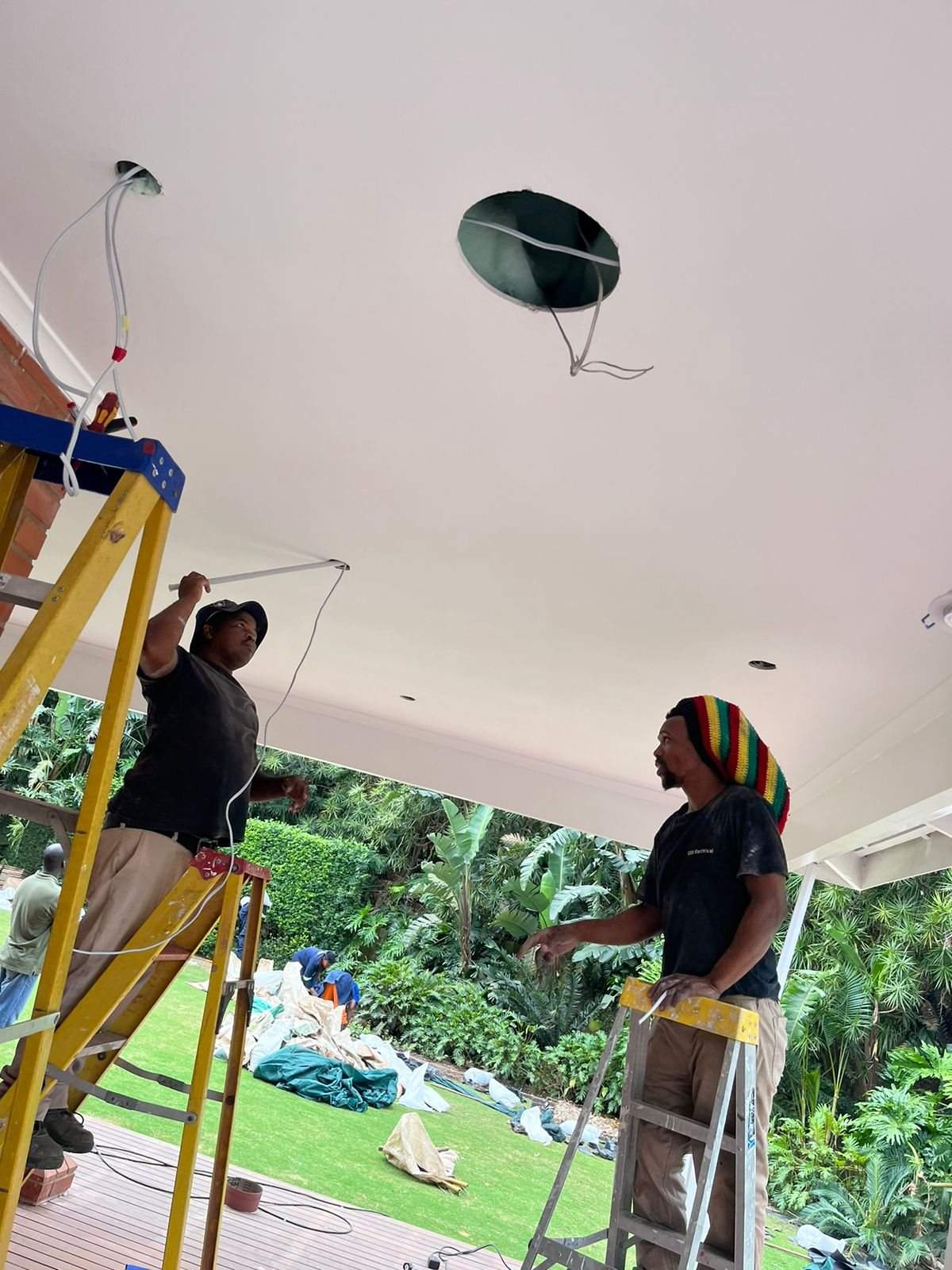
Speaker placement is not only an acoustic decision. Hidden pipe routes, cables and services can decide what is actually possible once walls and ceilings are built.
Old speaker cables, wall plates and hidden routes can be valuable during renovations if they are identified before walls are closed or plastered.
When Denon, HEOS, Sonos or other audio devices disappear from apps, the problem is often not the speaker. It is how the network handles discovery, roaming and device visibility.
Interior design decisions affect Wi-Fi access points, speakers, TV walls, CCTV camera visibility, keypads, racks, ventilation and service access in premium smart homes.
Multiroom audio should be enjoyable without becoming chaotic. Zone volume limits help protect speakers, neighbours, guests and the client's daily comfort.
Garden work, irrigation changes and planting can damage CCTV, gate, audio and network cables if low-voltage routes are not documented.
Why physical keypads still matter in premium smart homes, especially when Wi-Fi, phones, guests or daily routines make app-only control frustrating.
Furniture, rugs, curtains, seating distance and room layout changes can affect surround sound balance in a cinema or media room.
When outdoor speakers fail, the fault is often corrosion, water exposure or cable damage before it is the amplifier or the speaker brand.
Audio calibration can change as rooms are furnished, used, renovated and adjusted. Premium cinema and audio rooms should be rechecked when the room changes.
Outdoor audio faults are not always amplifier faults. Corroded terminals, damaged cable and weather-exposed speaker connections should be checked first.
A damaged speaker or amplifier does not always mean the whole system should be replaced. Supplier support and spares can change the right decision.
Subwoofers can reveal loose panels, furniture vibration, cabinet resonance and room rattles. These should be tested during commissioning, not discovered by the client later.
Older multiroom audio systems reveal why every room does not always need to be independent, and why grouping should follow how the home is actually used.
PA systems for commercial sites need proper zone planning, source control and intelligibility. They should not be treated as just extra speakers.
Wet and hot areas are not normal audio zones. Sauna speakers, bathroom speakers and pool-adjacent audio need temperature, moisture and serviceability planning.
Large Sonos and multiroom audio systems behave differently from a single speaker in one room. In premium homes, the network has to be designed and managed properly.
A room designed for music and a room designed for cinema can use very different speaker decisions, even when both are premium AV spaces.
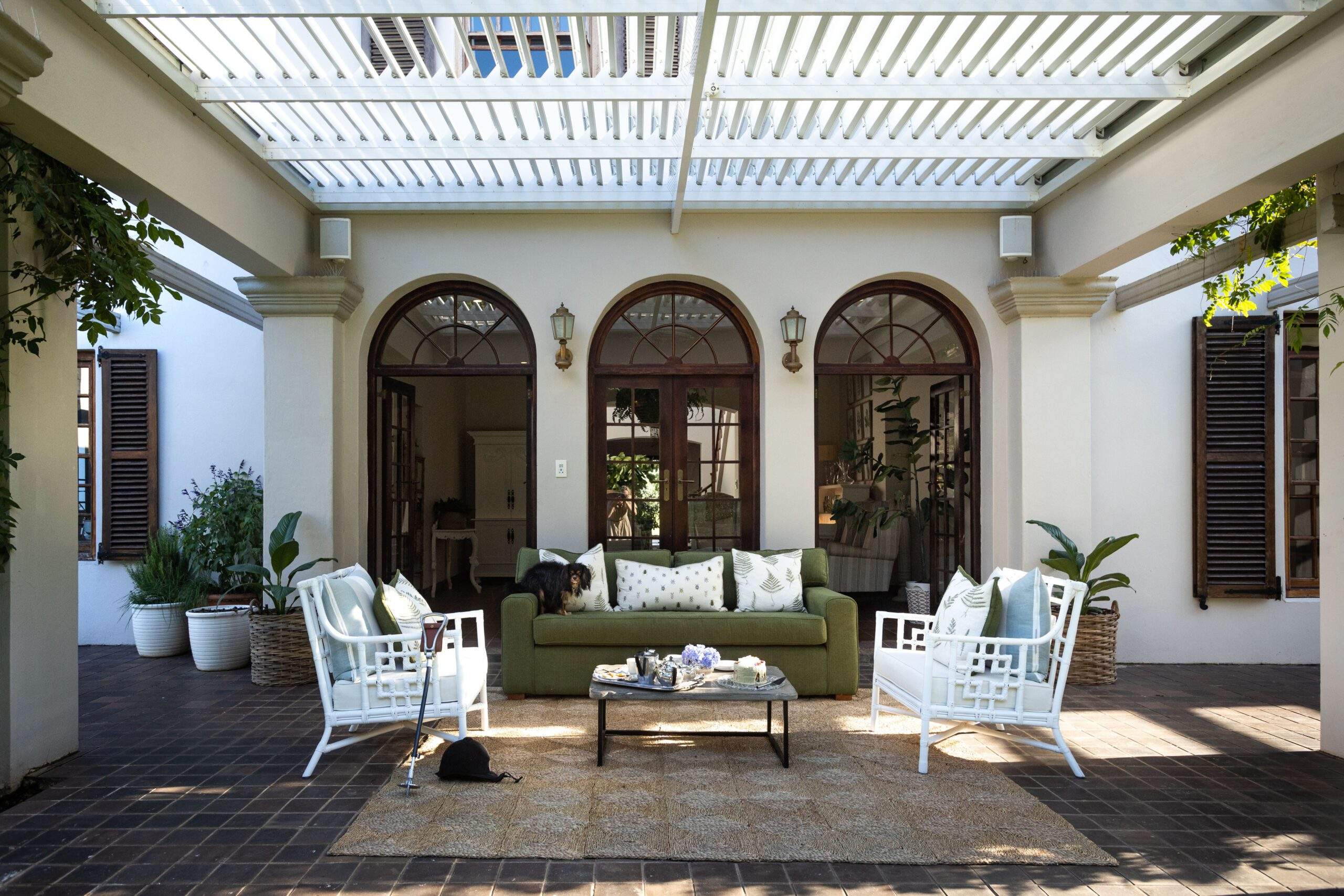
Outdoor entertainment areas behave differently from indoor rooms. Verandah audio, pool speakers and outdoor TVs need weather, glare, cabling and usability planning.
Subwoofers can be hidden beautifully, but they still need acoustic space, airflow, vibration control and future access.
Invisible speakers can protect interior design beautifully, but they need correct surfaces, installation depth, finishing discipline and honest performance expectations.
The centre speaker carries most movie dialogue. Its height, position, cabinet opening and relationship to the screen can make or break a cinema or TV lounge.
Outdoor audio needs careful speaker direction, amplifier loading, volume limits, source control, neighbour awareness and weather-aware commissioning.
Sonos can work beautifully in large homes, but only when the network is designed properly with stable Wi-Fi, switching and clear zone planning.
Premium cinema rooms need more than good brands. They need reliable South African supplier support, warranty routes and sensible product selection.
Crestron DM NAX streaming amplifiers reduce external streamers, simplify source routing and make modern Crestron Home multiroom audio more reliable.
Premium homes need a simple pre-event AV checklist so music, TV, Wi-Fi, remotes and cinema rooms work before guests walk in.
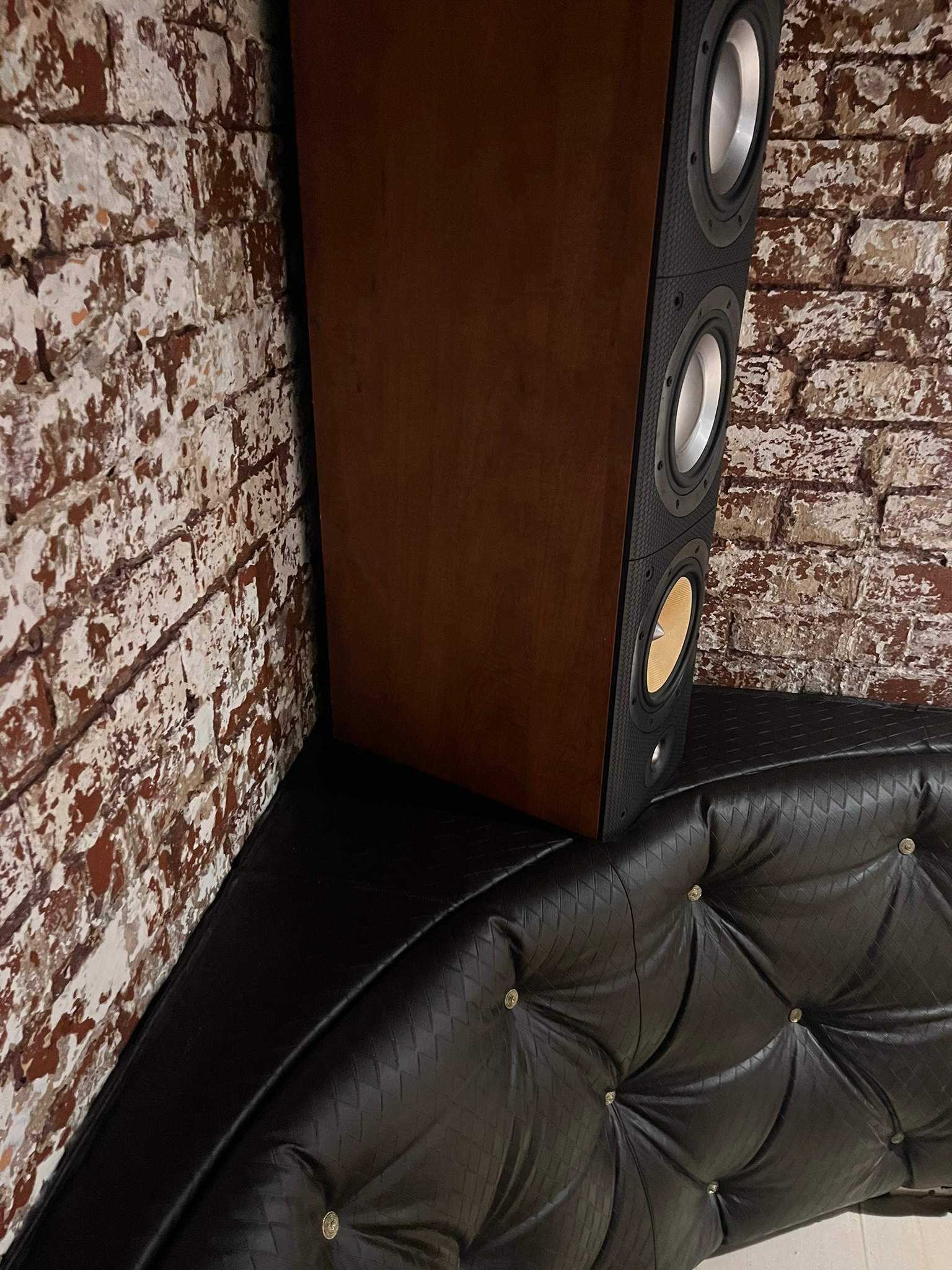
Premium audio is not only about sound quality. Speaker finish, soundbar placement, subwoofer balance and visible cabling all affect the final room.
Practical planning notes for interior designers coordinating speakers, TV points, Wi-Fi access points and ceiling layouts in premium smart homes.
Older amplifiers, controllers, keypads and audio systems can still have value, but the decision to repair or replace should be based on reliability, support and parts availability.
Why multiroom audio design should be based on lifestyle, room flow, entertainment habits and supportability, not simply on creating as many zones as possible.
Why a good amplifier does not always need to be replaced during a smart-home, cinema or multiroom audio upgrade.
A practical guide to using Sonos, Crestron Home and properly designed matrix audio for South African multiroom audio projects.
A practical look at source selection, zone planning, speaker placement and support requirements for multiroom audio systems.
From infrastructure recovery to complex automation, we solve the deep technical problems.