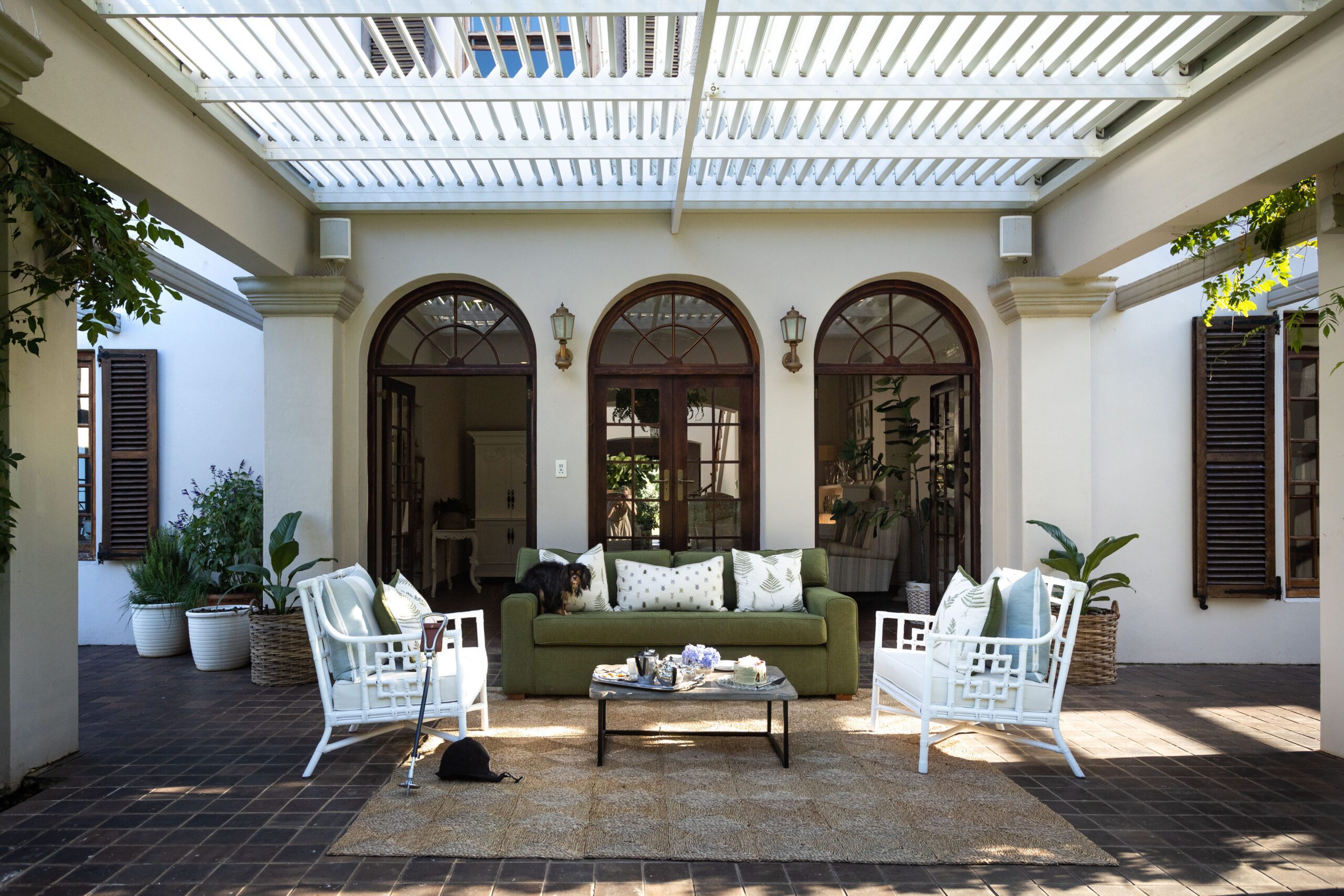
Outdoor audio looks simple from the outside.
Put a few speakers on the veranda, add music from the phone, and the entertainment area is done.
In practice, outdoor audio is one of the easiest parts of a premium home to get wrong. The space is open, the surfaces are unpredictable, the speakers are exposed to weather and the amplifier often has to drive long cable runs. If it is designed casually, the system may be too loud in one place, too soft in another, harsh near the seating area, weak in the garden, or unreliable when the client needs it most.
For DG Technologies, outdoor audio is not just an add-on to the indoor music system. It is a separate design problem.
More speakers is not always the answer
When an outdoor area does not sound right, the first instinct is often to add more speakers.
Sometimes that is correct. Often it is not.
Speakers firing directly into each other can create strange reflections and uneven sound. A speaker aimed at the wrong surface can make one area sound sharp while another area has no body. If four low-impedance speakers are placed on a long cable run and connected to the wrong amplifier channel, the amplifier may run hot or become unstable.
The result is a system that looks impressive on a quote but does not behave properly in the real home.
Good outdoor audio starts with questions:
- Where do people actually sit?
- Where does the music need to be clear?
- Where should sound be kept lower for neighbours?
- Are the speakers exposed to weather, heat or moisture?
- How far is the cable route back to the equipment rack?
- Does the amplifier have the correct capacity for the load?
That is why multiroom audio should be designed around the space, not around a fixed number of speakers.
Direction matters outside
Indoors, walls and ceilings help contain sound. Outdoors, the sound disappears into open air.
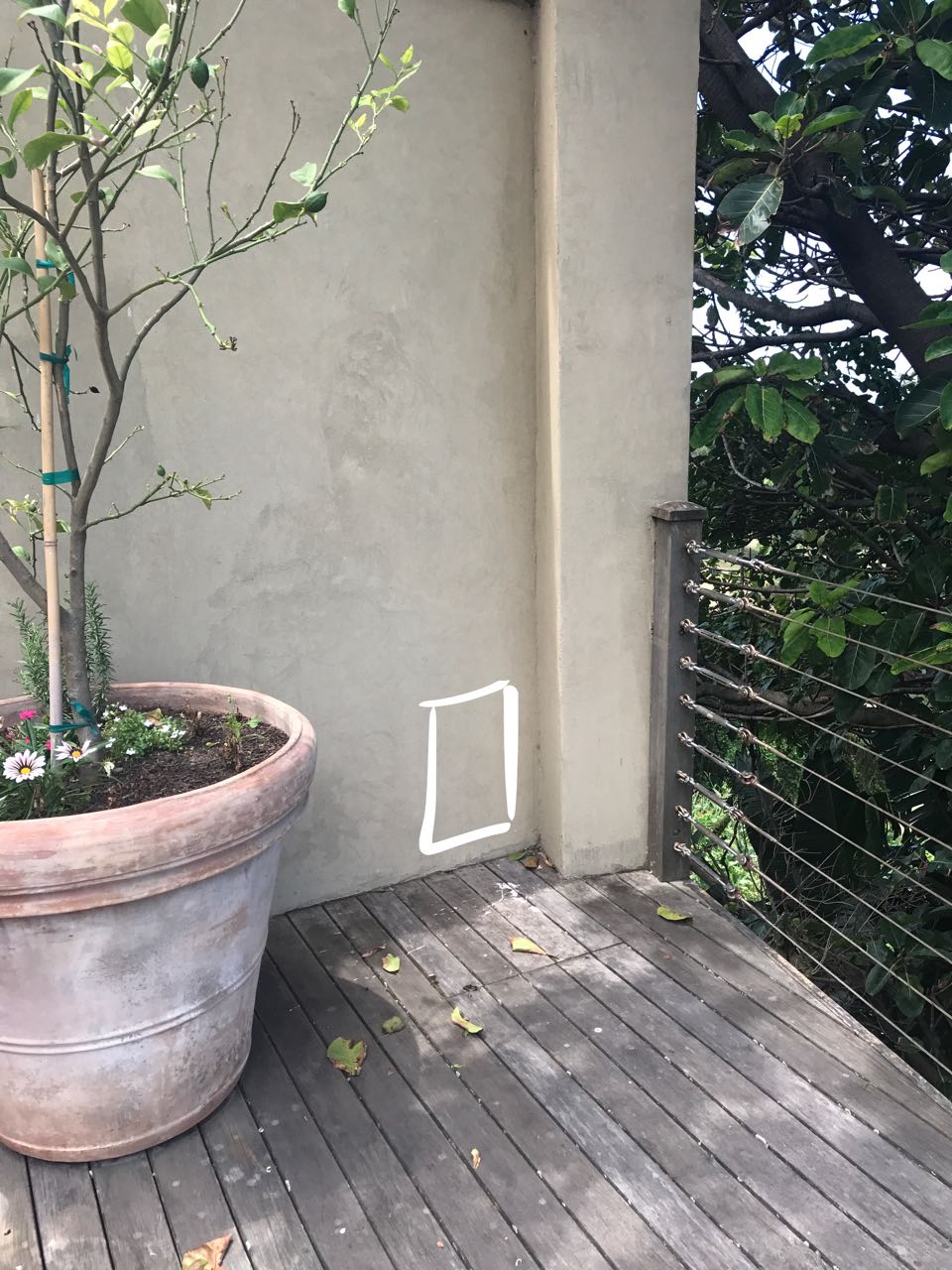
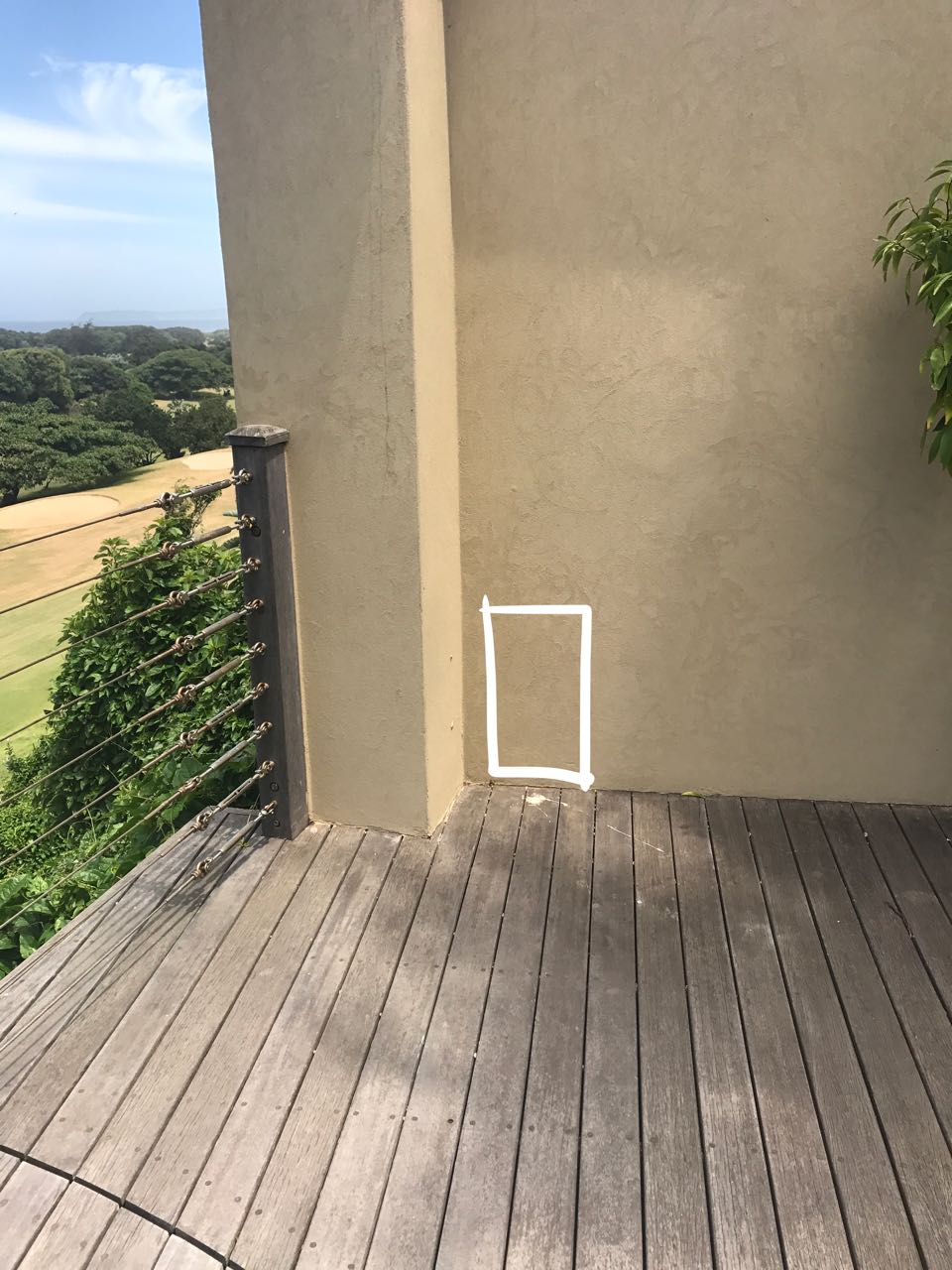
That means speaker direction becomes extremely important. A ceiling speaker on a covered veranda may need to be angled toward the garden or seating area. A wall-mounted speaker may need to fire across the patio rather than straight into the nearest table. A speaker installed for visual symmetry may not be the best speaker position acoustically.
This is where directional or pivoting speakers can help. They allow the installer to keep the finish clean while aiming the sound where it belongs.
In a premium home, the goal is not to make the equipment obvious. The goal is to make the space feel naturally comfortable.
Bass should be subtle, not overpowering
Outdoor bass is difficult.
In-ceiling and small outdoor speakers often cannot reproduce the lower frequencies that give music warmth. Adding a subwoofer can help, but only if it is balanced correctly. A subwoofer set too aggressively can make the whole area feel boomy and unpleasant. A client who dislikes vibration or heavy bass will quickly switch the system off.
The correct approach is restraint.
The subwoofer should fill in what the smaller speakers cannot produce. It should not dominate the area. The best result is usually when the client notices the music sounds full, but does not immediately notice the subwoofer.
Weather and heat change the specification
Outdoor speakers are not all the same.
A speaker under a protected veranda has a different life from a speaker near a pool, braai area, coastal air, sauna or exposed garden wall. Durban and the KZN coast add humidity, salt air and heat into the equation. Equipment that survives comfortably indoors may not survive in the wrong outdoor position.
For sauna, pool and exposed entertainment zones, speaker selection must consider:
- Moisture resistance.
- Heat tolerance.
- UV exposure.
- Mounting strength.
- Cable protection.
- Service access.
The same thinking applies to amplifiers. They should be installed in a protected, ventilated rack, not squeezed into an unsuitable cupboard because it was convenient on site.
Outdoor audio depends on the network too
Modern outdoor audio is rarely just speaker wire.
Many homes use Sonos, HEOS, AirPlay, network amplifiers, Crestron audio or app-based music services. That means the outdoor experience depends on the home network. If the Wi-Fi drops on the veranda, the music system will feel unreliable even if the speakers and amplifier are excellent.
Large homes and entertainment areas need proper Wi-Fi and network design, especially when music zones are controlled from phones, tablets or touchscreens.
The best outdoor audio feels effortless
A good outdoor audio system should feel easy:
- Select the area.
- Choose music.
- Adjust the volume.
- Enjoy the space.
Behind that simplicity sits proper planning. Speaker placement, cable distance, amplifier load, weather conditions, network stability and control all have to be considered before the final finish is closed.
That is the difference between adding speakers and designing outdoor audio.
For premium homes in Durban, Umhlanga, Mount Edgecombe, Zimbali, Simbithi and the KZN coast, the best outdoor audio is not the loudest system. It is the system that sounds right, looks discreet, remains stable and still makes sense years later.