Coastal homes are some of the most desirable properties in KwaZulu-Natal.
They are also hard on technology.
Homes in Durban, Umhlanga, Ballito, Zimbali, Simbithi, Salt Rock and along the North Coast deal with humidity, salt air, heat, storms, power interruptions, outdoor entertainment areas, large glass openings and sometimes long periods where the owner is away.
Those conditions affect AV, networking, CCTV and smart-home systems.
The technology can still perform beautifully, but it needs to be planned with the environment in mind.
Salt air and humidity are real factors
Coastal air is not gentle on equipment.
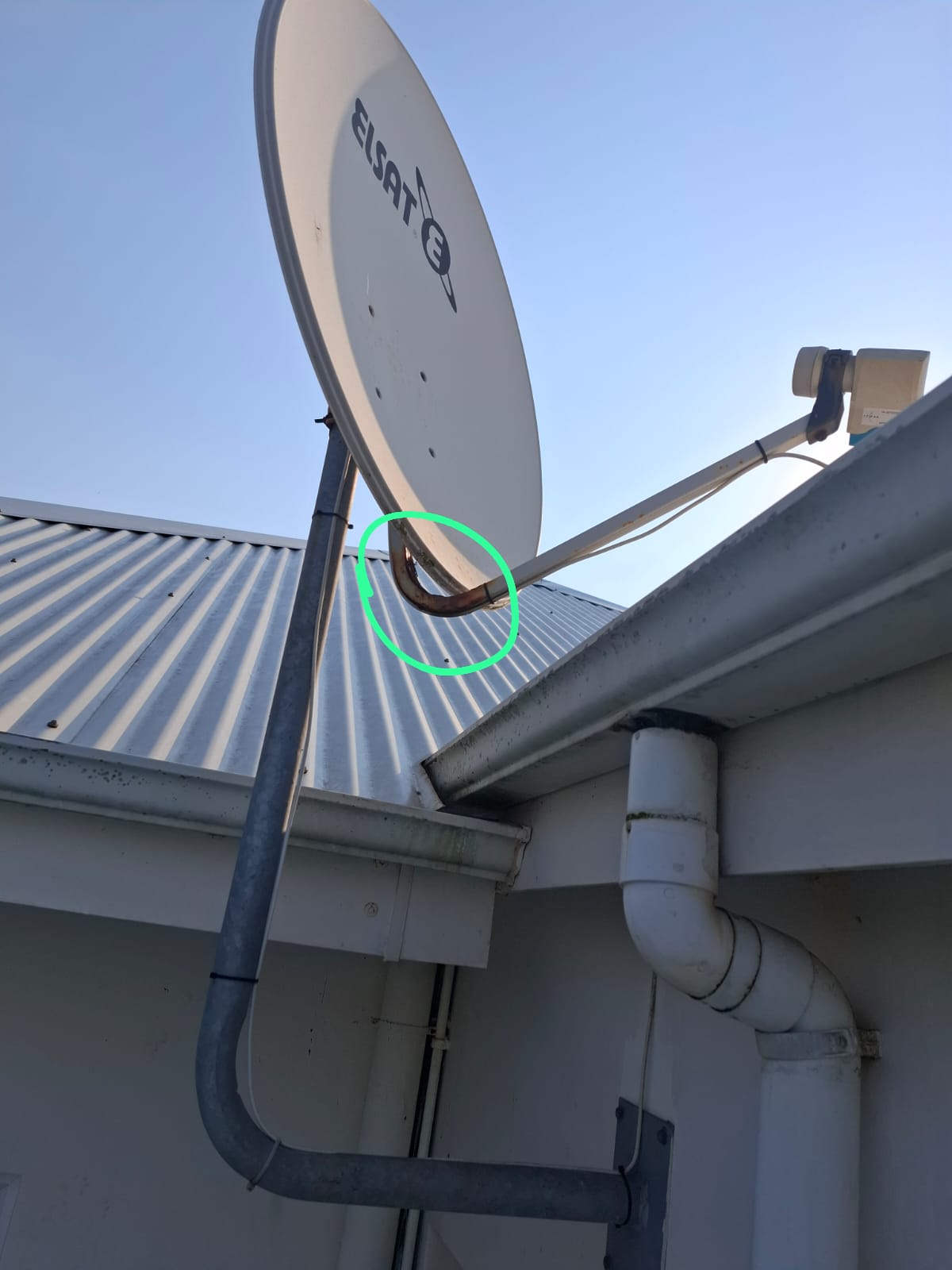
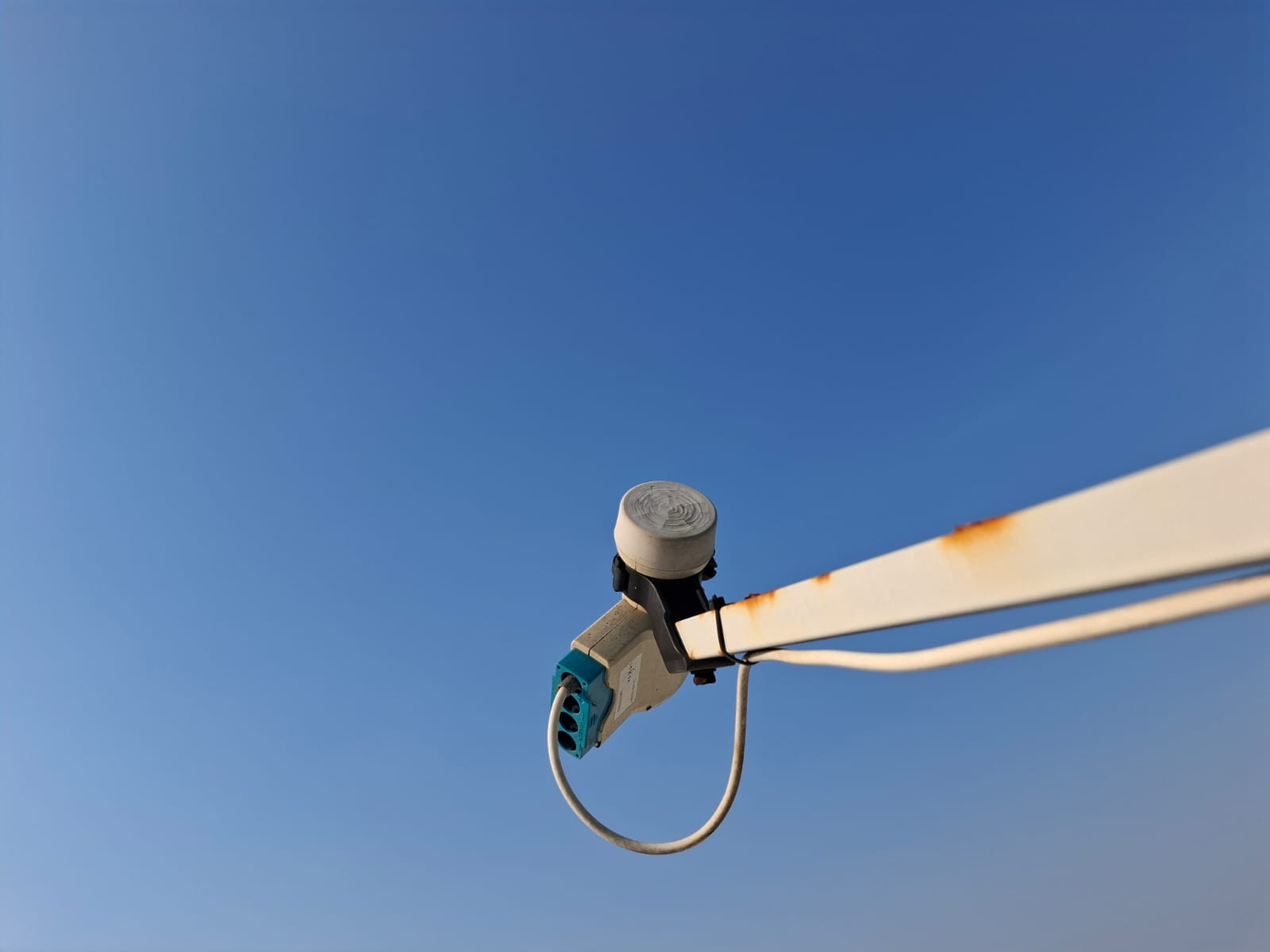
Connectors, exposed metal, outdoor cameras, poorly protected terminations, speaker fittings, brackets and equipment installed in damp spaces can all suffer over time. The issue may not appear immediately. A system can work well at handover and slowly become unreliable as corrosion, moisture and heat take their toll.
That is why equipment location and product choice matter.
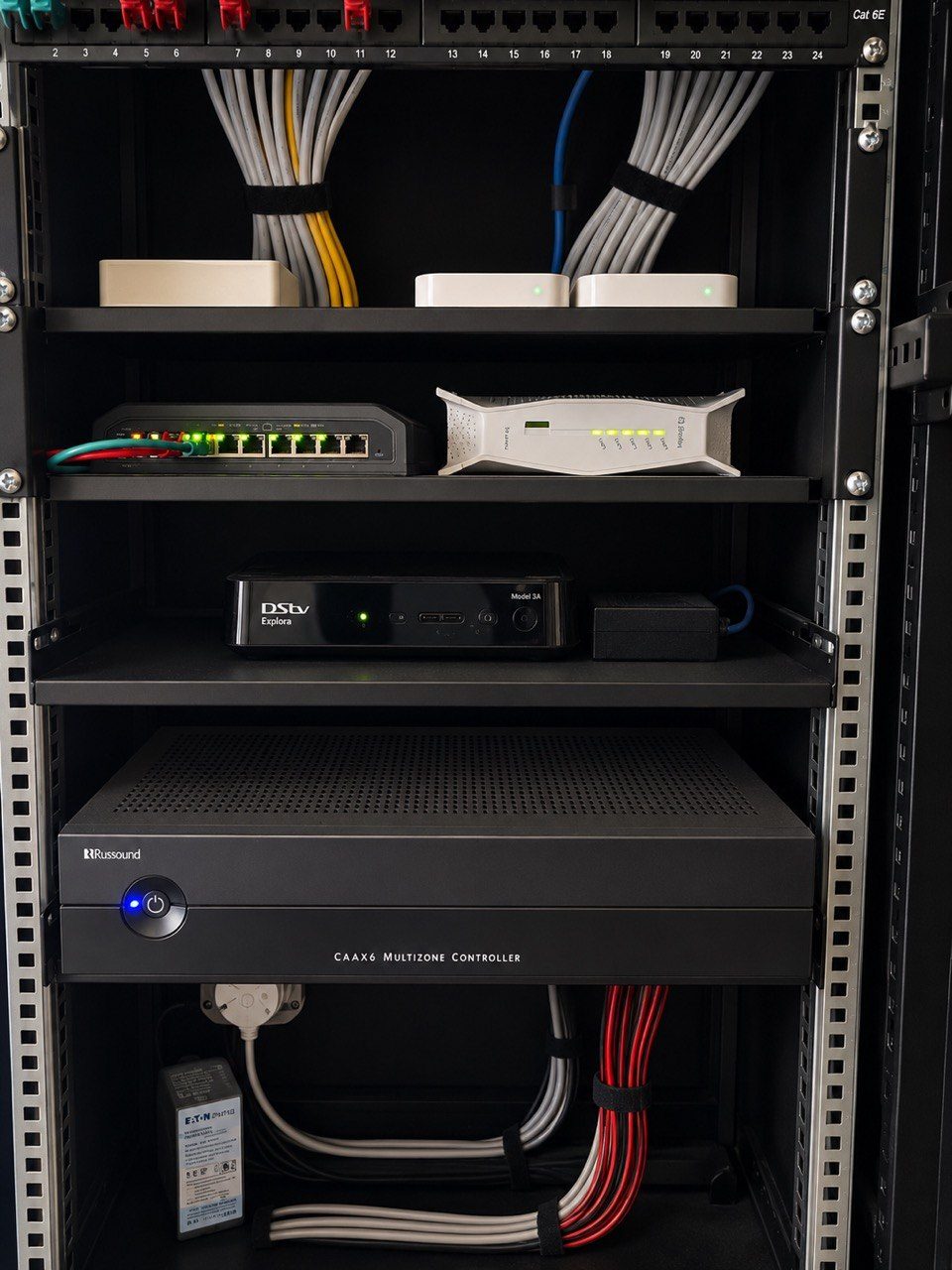
Outdoor devices should be suitable for the environment. Cable entries should be handled properly. Exposed connections should be avoided. Equipment racks should not be placed in damp, poorly ventilated spaces just because they are out of sight.
Outdoor entertainment areas need proper planning
Coastal homes often have patios, pool decks, verandas and entertainment spaces that are used heavily.
Those spaces may need Wi-Fi, audio, CCTV coverage, lighting scenes and simple control. But outdoor areas are not the same as indoor rooms. They face wind, moisture, glare, bright sunlight, reflections, insects, heat and changing weather.
Speakers, cameras and access points should be chosen and positioned with those conditions in mind.
For audio, this connects to our broader view that multiroom audio should follow how the home is actually used. If the patio is one of the most-used parts of the home, it needs to be planned properly.
Wi-Fi is harder in large coastal homes
Many coastal homes are large, multi-level and built with materials that can make Wi-Fi difficult.
Concrete, glass, steel, thick walls and outdoor spaces all affect coverage. A router in a cupboard rarely solves the whole property.
The answer is not usually a random extender.
It is a planned wired network with properly placed access points, suitable switching, PoE where required and a clear understanding of how people move through the home.
We cover this in why large coastal homes need Wi-Fi planning before they need Wi-Fi extenders.
CCTV must handle light and weather
Coastal CCTV has its own challenges.
Bright sun, glare from water or paving, night lighting, rain, wind, salt exposure and wide outdoor areas can all affect camera performance. Camera choice matters, but placement matters even more.
A camera may have a good specification and still produce poor evidence if it is facing the wrong direction, mounted too high, affected by glare or trying to cover too much area at once.
This is why DG Technologies treats CCTV installation as a design exercise, not only a device count.
Power and recovery matter when the home is empty
Many coastal homes are holiday homes or part-time residences.
That changes the support requirement.
If the power goes down, the fibre router restarts or the network does not recover properly, the owner may only discover the issue when they try to check cameras from another city. That is frustrating, especially when nobody technical is on site.
This is why power recovery planning and responsible remote access matter in coastal homes.
Coastal homes need maintainable systems
The best coastal systems are not the most complicated systems.
They are the systems that are suitable for the environment, documented, ventilated, accessible, supportable and designed around the way the owner actually uses the property.
DG Technologies supports home automation, networking, CCTV, multiroom audio and AV systems for coastal homes across KZN.
The aim is simple: make the technology feel as relaxed as the home is supposed to feel.