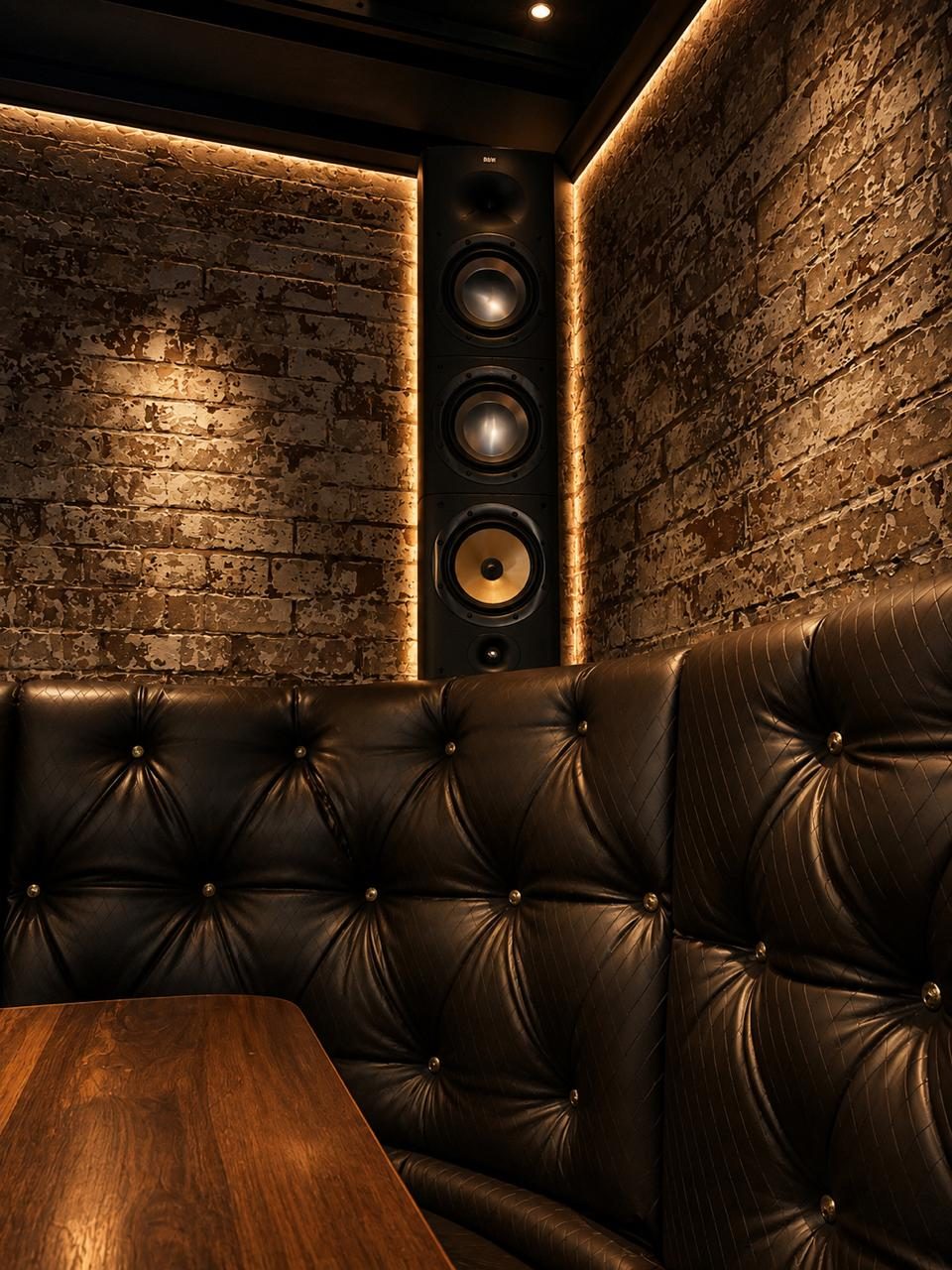
Multiroom audio is easy to overcomplicate.
Every room can technically become a separate zone. Every veranda, lounge, bedroom, bathroom, kitchen and entertainment space can have its own source, volume control and speaker pair.
Sometimes that is useful.
Sometimes it is just more equipment, more control complexity and more cost without improving the way the home feels.
A good multiroom audio system should follow how the home is actually used.
Zones should follow behaviour, not walls
Architectural drawings show rooms. Families use spaces.
Those are not always the same thing.
A kitchen, dining area and veranda may be separate on a drawing but used as one entertainment space. A formal lounge may rarely need independent music. A pool area may need separate volume because it behaves differently from the indoor entertainment area. Bedrooms may need simple independent control, while passage speakers may not make sense at all.
The right zone plan comes from asking practical questions:
- Which areas are used together?
- Which areas need different volume levels?
- Which rooms need different music sources?
- Which areas should guests or staff be able to control?
- Which rooms need background music rather than serious listening?
- Which spaces are noisy, open or outdoors?
The answers decide the system.
More zones are not automatically better
More zones can look impressive on a quote.
But each additional zone may need amplification, cabling, programming, source routing, control naming and future support. If that zone is rarely used independently, the homeowner may be paying for complexity rather than experience.
That does not mean zones should be avoided.
It means they should earn their place.
In a premium home, the best design is often the one that feels obvious to use. The app should not present a confusing list of room names that nobody understands. The family should not have to think like an installer just to play music outside.
Good audio design makes the home feel natural.
Speaker quality and placement matter
Multiroom audio is not only electronics.
Speaker placement matters. Ceiling height matters. Room shape matters. Outdoor noise matters. Open-plan areas behave differently from enclosed rooms. A large veranda may need a different approach from a study or guest bedroom.
Cheap or badly placed speakers can make an expensive system feel ordinary.
At the same time, it is not always necessary to overspec every room. Some rooms need quality listening. Some need pleasant background audio. Some need weather-resistant speakers. Some need no speakers at all.
That is where design judgement saves money without reducing the experience.
Existing equipment may still have value
Many homes already have amplifiers, speakers or cabling from a previous AV installation.
Before replacing everything, it is worth checking what still works. A good amplifier may still be useful. Existing speaker cables may be usable if they are properly routed and labelled. Some speakers may still be suitable for background zones.
But reuse must be responsible.
If an amplifier is unreliable, if the speaker layout is wrong, if the cabling is unknown, or if the system cannot be supported, keeping old equipment may create future problems.
The decision should be based on assessment, not habit.
For more on that thinking, see when existing amplifiers are worth keeping.
Control is part of the audio experience
The sound may be excellent, but the system still fails if it is annoying to use.
The homeowner should be able to choose the right room, source and volume without confusion. Entertainment areas should be grouped logically. Bedroom controls should be simple. Shared family spaces should not require technical knowledge.
This is where Crestron Home, Sonos, matrix audio and other platforms need to be designed around the user rather than around the installer.
The question is not only: can the system do it?
The question is: will the client actually use it this way?
Outdoor and coastal areas need special thought
KZN coastal homes often have outdoor entertainment areas, verandas, pools and open spaces exposed to humidity, salt air and weather.
That affects speaker choice, cable routes, equipment location and volume expectations.
Outdoor audio should not be treated like an indoor room with different speakers. It may need more coverage, more careful positioning and equipment that can survive the environment.
It also needs to be considerate. Estate homes have neighbours, estate rules and shared acoustic environments. Good audio should entertain the property without becoming a nuisance.
The DG Technologies approach
DG Technologies designs multiroom audio systems for homes across Durban, Umhlanga, Mount Edgecombe, Zimbali, Simbithi and the KZN coast.
Our approach is simple: design around how the home is lived in.
That means fewer unnecessary zones, better useful zones, good speaker placement, responsible reuse of existing equipment where it makes sense, and controls that feel natural to the homeowner.
The best multiroom audio system is not the one with the longest zone list.
It is the one the family uses every day without thinking about the technology behind it.