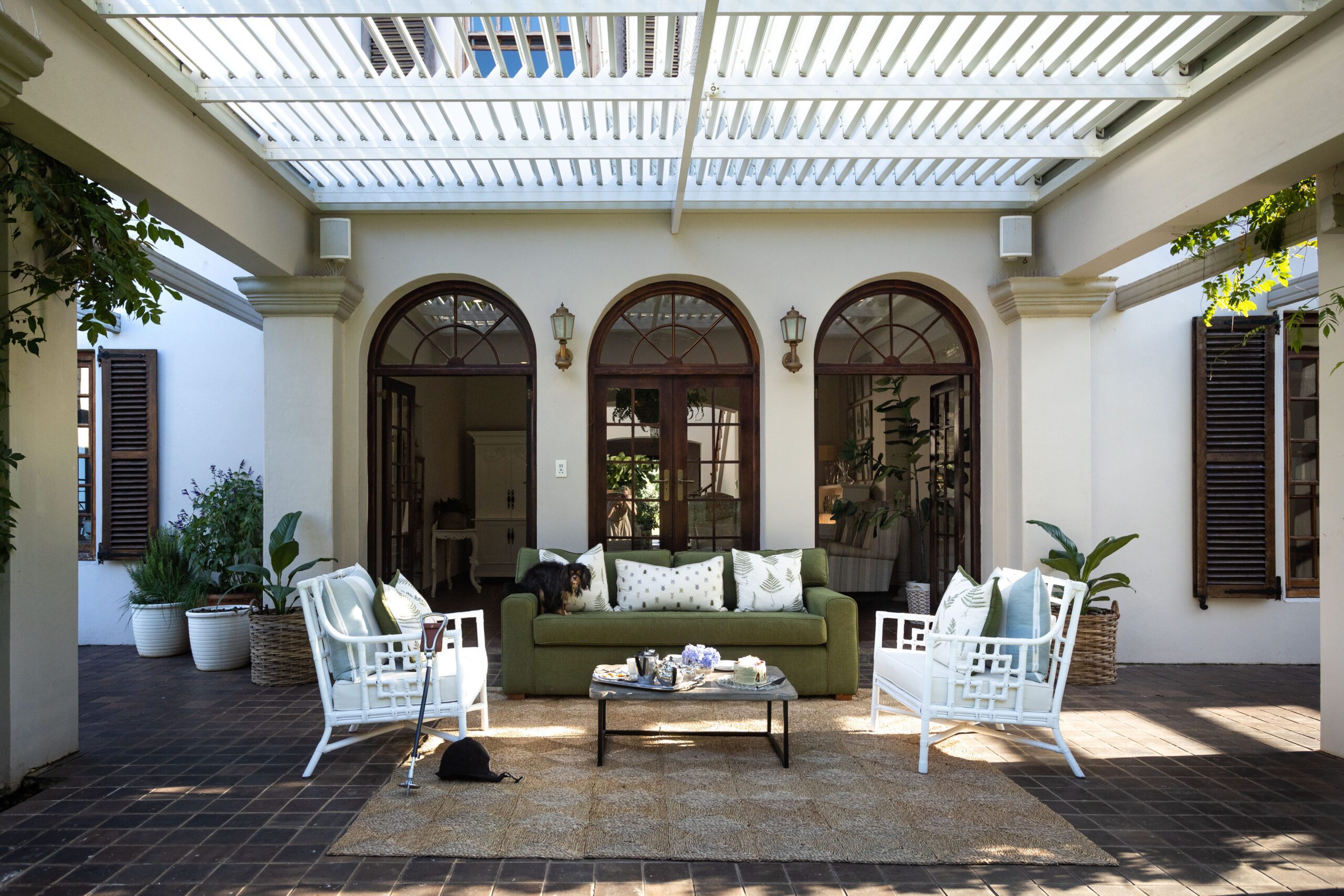
Outdoor speakers are easy to underestimate.
On paper, they look simple.
Mount the speakers. Run the cable. Connect the amplifier. Play music.
But outdoor audio behaves very differently from indoor audio. There are no room boundaries to contain the sound. Wind, traffic, water features, pool pumps, sea air, hard surfaces, neighbouring properties and open entertainment areas all affect the result.
That is why outdoor speakers need commissioning, not just installation.
Placement changes everything
An outdoor speaker should not simply be pointed wherever it is easiest to mount.
Direction matters.
If speakers fire away from the listening area, the client turns the volume up. If they fire directly at a neighbour, the system becomes antisocial. If they are mounted too far apart, the sound can become thin or uneven. If they are mounted too low, they may be vulnerable to water, cleaning, children or furniture. If they are mounted too high, the audio may feel disconnected from the seating area.
Good placement asks:
- Where do people actually sit?
- Where do they stand when entertaining?
- Is the area covered or open?
- Is the system for background music or party levels?
- Which direction should sound travel?
- Where are the neighbours?
- Will the area be affected by wind or pool noise?
These questions should be answered before the brackets go up.
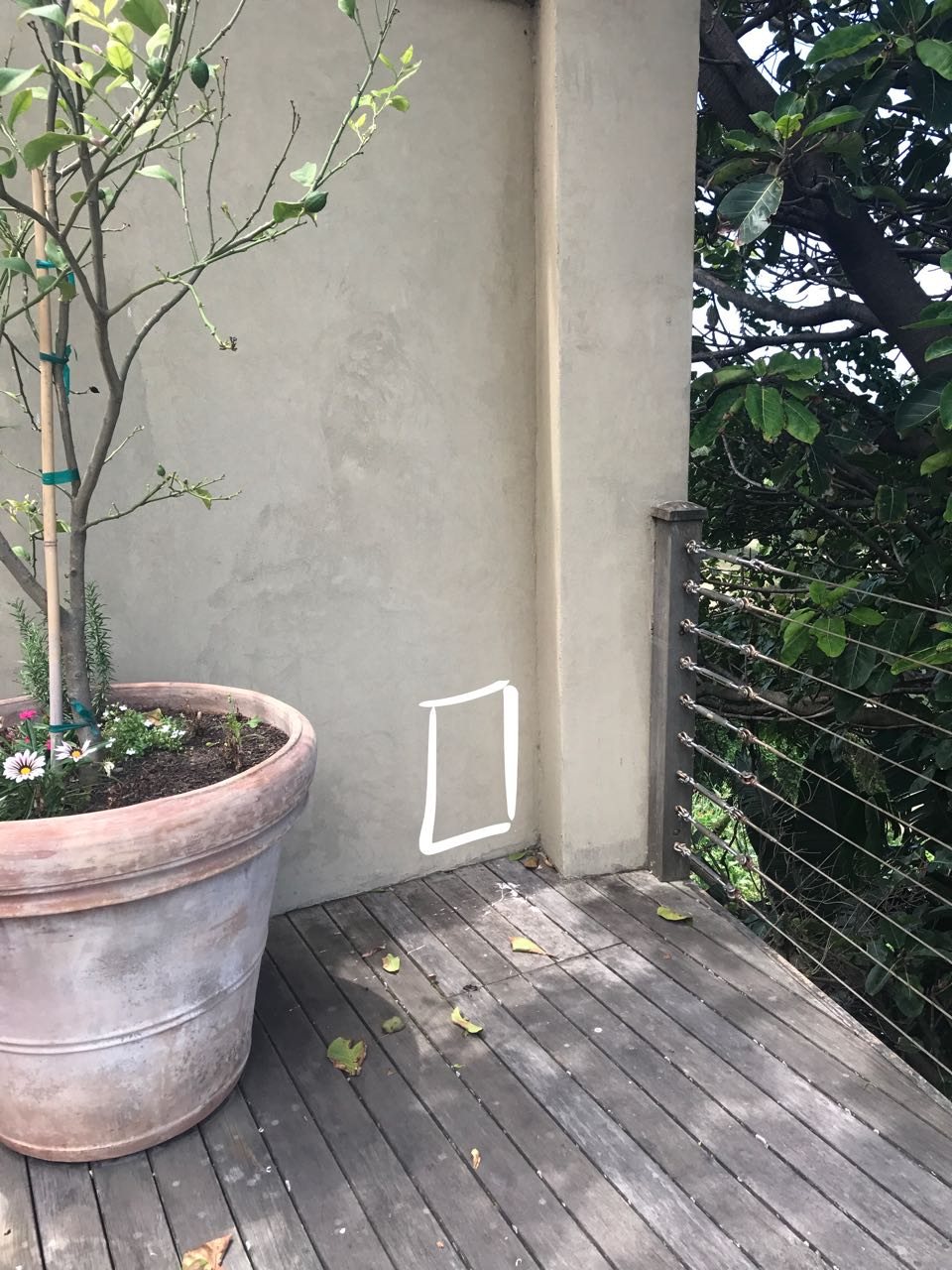
Outdoor speaker placement being reviewed beside a pool area. The goal is to aim sound at the people using the space, not simply to mount speakers where the wall is convenient.
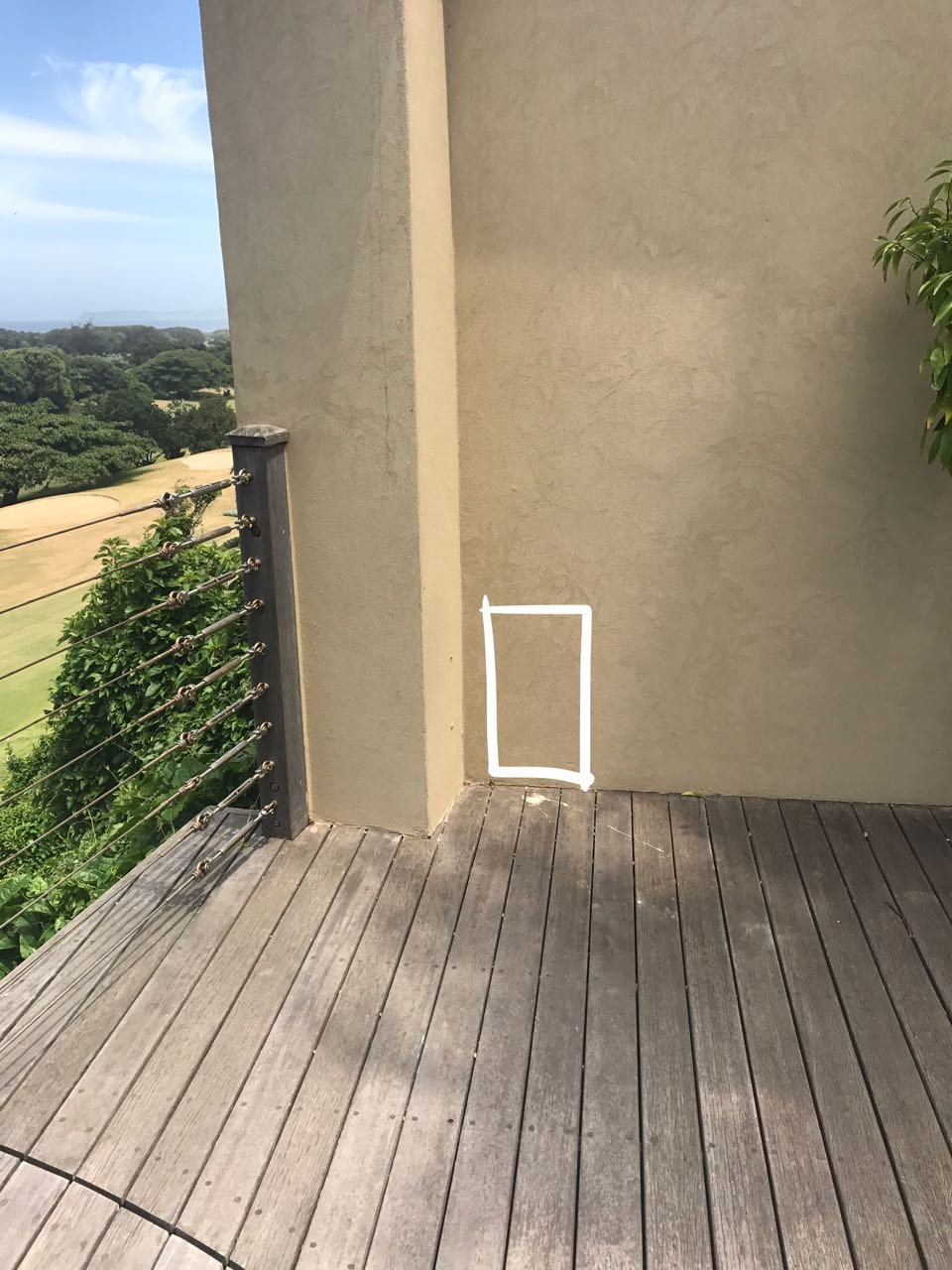
The matching side of the outdoor zone. Stereo balance, neighbour direction and the seating area all matter before the speaker bracket is fixed.
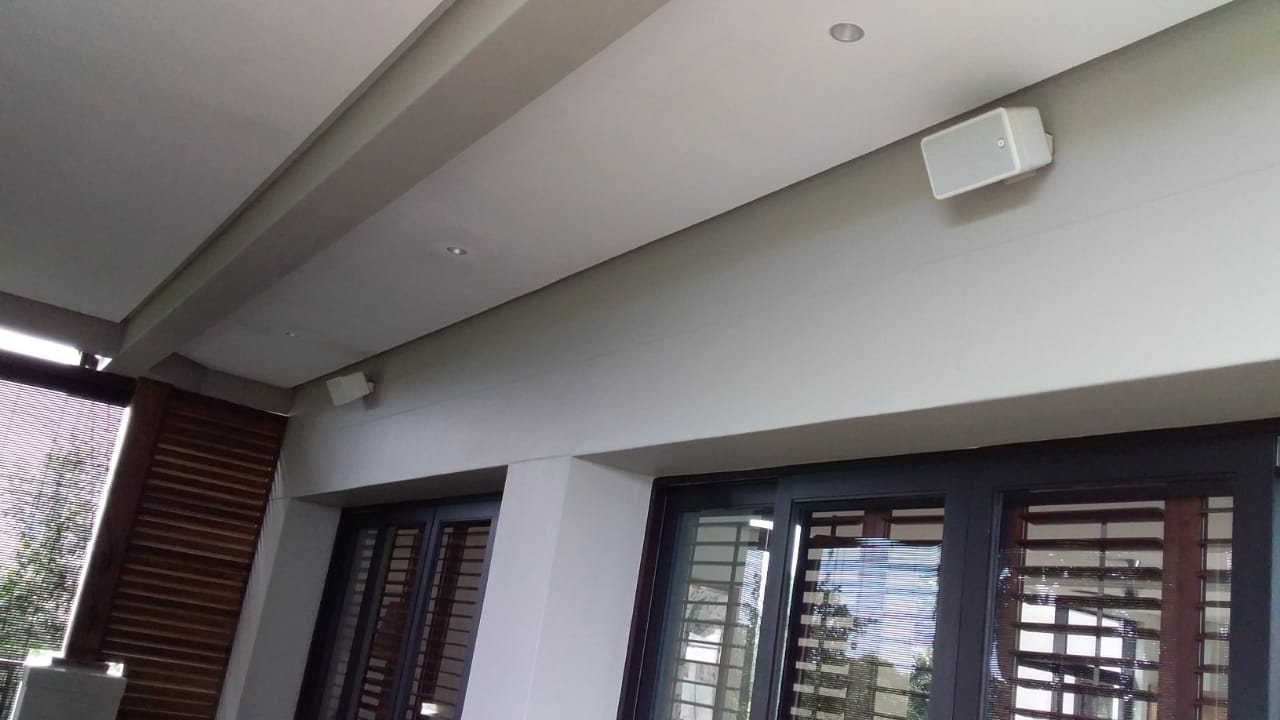
Outdoor speakers fitted for a Zimbali home. Coastal outdoor audio needs placement, weather awareness and commissioning, not just a cable and a bracket.
Outdoor audio needs controlled volume
Outdoor audio often feels quieter than expected because sound escapes.
The natural reaction is to keep turning it up.
That can create distortion, amplifier strain and neighbour complaints.
Commissioning should include sensible volume limits. The goal is to make the system usable without allowing it to be pushed into poor performance. This is especially important where outdoor zones are controlled from an app and different people may use the system.
A guest does not always know when an amplifier is being pushed too hard.
A well-commissioned system protects itself where possible.
Amplifier loading matters
Outdoor speakers are often added in groups.
Two near the patio. Two near the pool. Two near the bar. Maybe more around a garden or entertainment deck.
If the amplifier and speaker wiring are not planned properly, the load can become a problem. Too many speakers on the wrong amplifier channel can create heat, shutdowns or poor reliability.
This is why outdoor audio should be treated as part of multiroom audio design, not as a few extra speakers added at the end.
The amplifier, wiring, zones, volume control and future expansion should all be considered.
Source control should match the way the area is used
Outdoor zones are often used casually.
Someone wants music by the pool. Someone else wants audio at the bar. A house manager wants to prepare the area before guests arrive. The owner wants to control everything from the app. A guest may only need simple volume control.
The control interface should match that reality.
If the outdoor area is divided into too many zones, it may become irritating. If everything is one zone, the owner may not get enough control. If labels are unclear, the wrong area plays.
This is why DG Technologies thinks carefully about room names and app labels during commissioning.
Outdoor areas need names the household actually uses.
Weather and coastal conditions matter
KZN coastal homes are beautiful, but the environment is hard on equipment.
Salt air, humidity, heat, wind-driven rain and cleaning routines can all shorten the life of badly selected or badly installed outdoor speakers.
Outdoor audio planning should consider:
- Weather-rated speakers.
- Cable entry points.
- Stainless or suitable mounting hardware.
- Protected terminations.
- Service access.
- Drainage and exposure.
- Cleaning routines.
- Future replacement.
The speaker may be weather-rated, but the installation still needs to respect the environment.
This matters especially for homes along Durban, Umhlanga, Ballito, Zimbali, Simbithi and the KZN North Coast.
Commissioning should include real listening
Outdoor audio cannot be commissioned properly only by confirming that music plays.
Someone should listen from the actual seating areas.
Walk the patio. Stand near the braai. Sit by the pool. Check the bar area. Listen at low volume and moderate volume. Confirm whether one speaker is too loud. Check whether bass is missing. Check whether speech and music are clear enough. Confirm whether the sound carries too far in the wrong direction.
This is practical work.
It is also where the system becomes better.
The client may discover that they use the area differently than expected. The installer may adjust levels, zone grouping, limits or speaker balance.
The best outdoor audio feels effortless
Outdoor audio should not dominate the property unless the client wants it to.
Most of the time, it should create atmosphere.
Music should feel present without shouting. The control should be obvious. The volume should behave sensibly. The equipment should survive the environment. The owner should not have to worry about the amplifier. The house manager should know how to prepare the area. Guests should not be able to damage the system by accident.
That is why outdoor speakers need commissioning.
Installation gets sound outside.
Commissioning makes it work properly for the home.