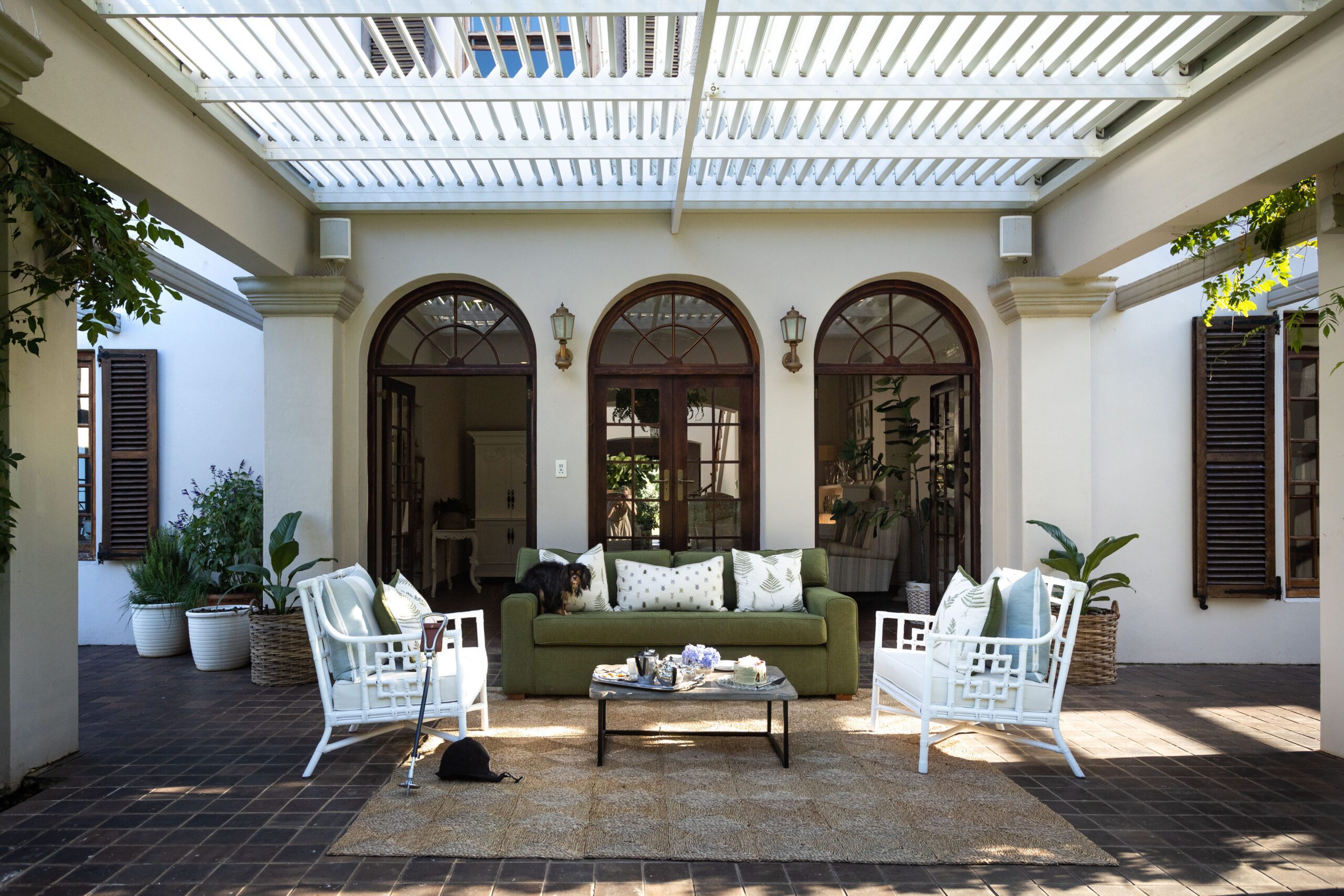
Outdoor speakers live a harder life than indoor speakers.
They deal with moisture, salt air, heat, insects, wind, dust and people moving furniture around them. In coastal KZN homes, that matters.
So when an outdoor speaker stops working, I do not immediately blame the amplifier.
I start with the exposed parts of the system.
Terminals tell a story
Speaker terminals are small, but they reveal a lot.
If the terminals are corroded, loose or dirty, the speaker may crackle, fade, cut in and out or stop completely.
Sometimes the speaker itself is still fine. The connection is the problem.
That is why outdoor audio support should include physically inspecting:
- terminals
- cable ends
- mounting points
- water entry
- speaker grilles
- junctions
- amplifier outputs
Replacing the amplifier before checking those basics is poor fault finding.
Cable damage can mimic equipment failure
Outdoor cable runs are vulnerable.
They may pass through roofs, walls, decks, gardens or exposed areas. Over time, cables can be damaged by moisture, corrosion, renovations, insects, landscaping or poor previous joins.
When a cable starts failing, the symptom can sound like a speaker or amplifier problem.
That is why continuity and cable condition matter.
If the cable is compromised, a new speaker may only hide the fault temporarily.
Outdoor zones need realistic expectations
Outdoor audio is not a sealed laboratory.
The environment changes constantly:
- wind changes the perceived volume
- open areas lose bass
- neighbours affect usable volume
- seating positions change
- weather affects hardware
- salt air shortens the life of exposed metal
The system has to be designed and maintained with that reality in mind.
Sometimes the right answer is not a more powerful amplifier. It may be better speaker placement, more suitable outdoor speakers, better cable routing or a cleaner way to isolate zones.
Maintenance is cheaper than emergency replacement
Outdoor speakers should be checked before the busy season, especially in holiday homes and entertainment areas.
A quick inspection can find:
- loose terminals
- corrosion starting
- damaged grilles
- weak cable joins
- water marks
- insects inside housings
- imbalance between left and right speakers
These are small issues when found early.
They become expensive when the client only notices them on a weekend with guests arriving.
The lesson
Outdoor audio failures are not always dramatic.
Often they begin as small connection problems.
A scratchy speaker.
One side quieter than the other.
An intermittent cut-out.
Those symptoms deserve proper investigation.
In a good AV system, the outdoor speakers should not be treated as disposable accessories. They are part of the whole experience of the home, and they need the right cabling, mounting, protection and maintenance to keep working properly.