Ceiling speakers are excellent when they are used for the right job.
They are discreet. They keep rooms clean. They are ideal for kitchens, passages, bathrooms, bedrooms, patios and general background music. In many premium homes, they are exactly the right answer.
But they are not the answer to every audio question.
If a client genuinely enjoys music, the room may need stereo thinking, not only coverage.
For multiroom audio, the first question should be how the room will be used. Background music and serious listening are different design problems.
Coverage is not the same as imaging
Ceiling speakers can fill a space with sound.
That does not mean they create a strong stereo image.
Stereo listening depends on the relationship between left speaker, right speaker and listener. The sound should have position, width and focus. Vocals should feel centred. Instruments should sit naturally in the room. The listening area should feel intentional.
When speakers are placed only for ceiling symmetry, downlight alignment or convenience, the room may have sound everywhere but no proper image anywhere.
For casual background music, that may be fine.
For a music-focused room, it is not enough.
Furniture matters
Audio planning should understand where people sit.
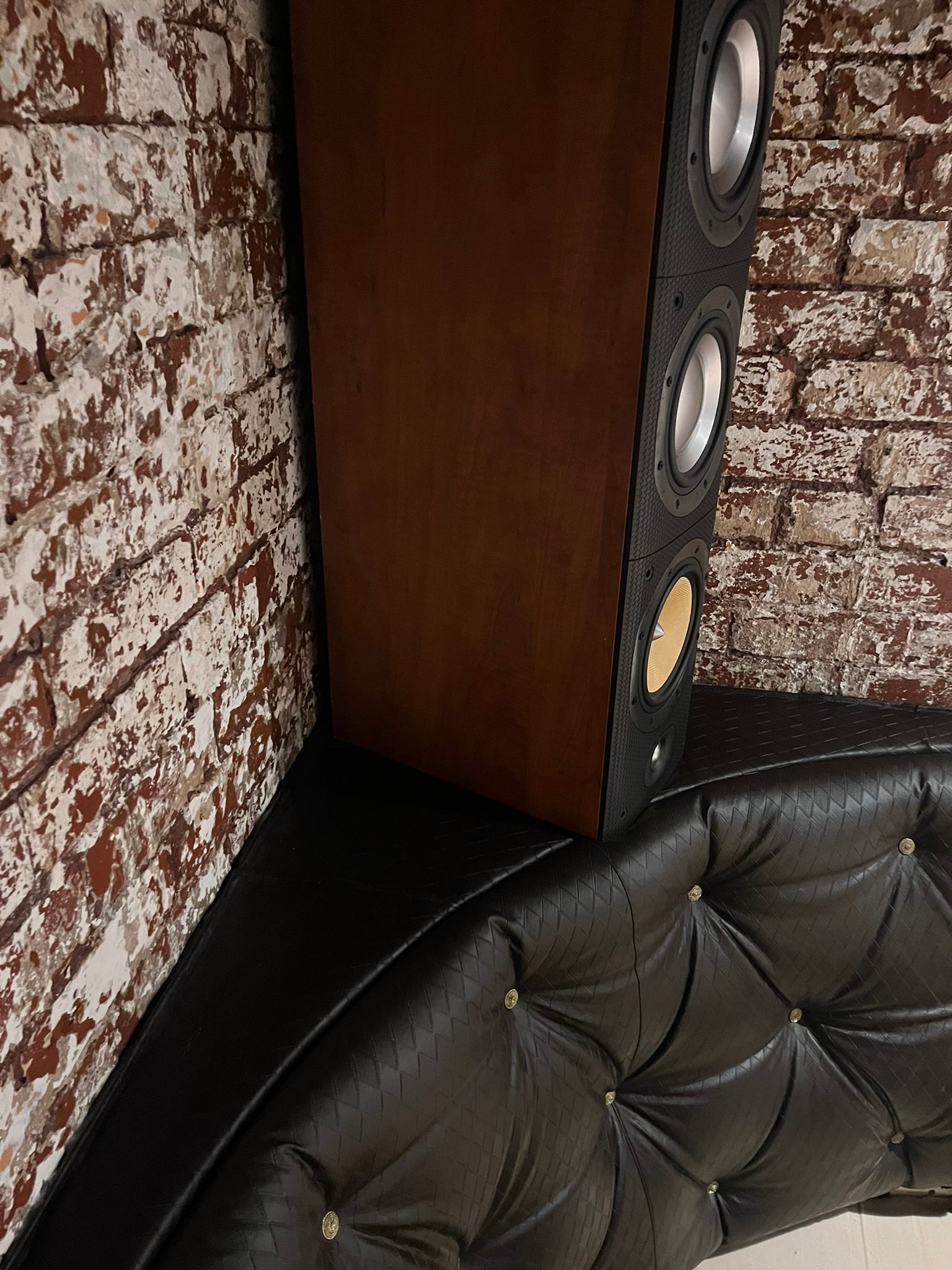
A pair of good speakers placed without reference to the couch, bar, table or favourite chair may underperform. The client may own excellent equipment and still never hear what it can do because the room layout was not considered.
In a premium home, furniture is not just decoration.
It defines the listening position.
That is why speaker placement should be discussed before cabinetry, wall finishes and final furniture decisions are locked in.
Amplification should match the room
Not every audio zone needs the same amplifier.
A bathroom speaker and a serious entertainment room do not have the same requirements. Outdoor areas may need weather-aware speakers and sensible volume limits. A listening room may need better amplification, more deliberate speaker placement and careful source control.
This is where system design saves money as well as improves performance.
Spend where the client will hear the difference.
Avoid overspending where the room is only used for background audio.
Good speakers can be wasted by poor placement
Premium speakers are not magic.
If they are squeezed into poor positions, blocked by furniture, mounted too high, hidden behind unsuitable fabric, placed too close to glass or forced into a room that was never planned for them, the result may disappoint.
The client may blame the product.
Often the issue is design.
Speaker choice, speaker position, amplifier power, cable route, control method and room behaviour all affect the final experience.
Hidden audio still needs acoustic respect
Invisible and discreet audio can be beautiful.
But hiding technology should not mean ignoring performance. A hidden speaker still needs a suitable surface. A grille still needs to breathe. A subwoofer still needs a path into the room. An amplifier still needs ventilation. A service route still needs to exist.
The best installations protect the interior design and the audio experience at the same time.
That requires early coordination with the interior designer, architect and AV team.
The system should match the client
Some clients want music everywhere.
Some want one serious room.
Some want outdoor entertaining.
Some want quiet background audio that never draws attention to itself.
There is no single perfect audio design for every home.
The right design comes from understanding the client, the room and the purpose of the system.
Ceiling speakers are a powerful tool. So are bookshelf speakers, floorstanders, soundbars, in-wall speakers, invisible speakers, subwoofers and outdoor speakers.
The skill is knowing where each belongs.
That is what turns installed audio into music people actually enjoy.