Old speaker cables are easy to dismiss.
They may disappear into a wall, appear behind an old plate or sit unused in a ceiling. During renovation, the temptation is to cut, plaster and make everything clean.
That can be a mistake.
Old cables can explain how the home was once wired.
The cable may reveal a route
Even if the cable itself is not reused, the route may be valuable.
It may show a path from an old amplifier location to a patio, lounge, bedroom or entertainment area. It may reveal a conduit that can still be used. It may help avoid chasing a finished wall.
In renovations, routes are often more valuable than the cable.
Not every old cable should be reused
Some old speaker cables may be usable once their route, condition and electrical continuity are checked.
Others are damaged, too short, badly joined, poorly routed, corroded or unsuitable for the new design. A speaker cable also cannot be assumed suitable for network data or a different control protocol merely because it reaches the right room.
The point is not to keep everything.
The point is to identify everything before decisions are made.
Once a wall is plastered, the option may be gone.
Old plates can hide useful information
A blank plate, volume control or old keypad may look ugly to an interior designer.
But behind it may be a cable route, junction point, conduit, speaker feed or clue about the original system.
Remove it carefully and document what is there before closing the wall.
That small step can save money later when the route is still useful.
Renovation timing matters
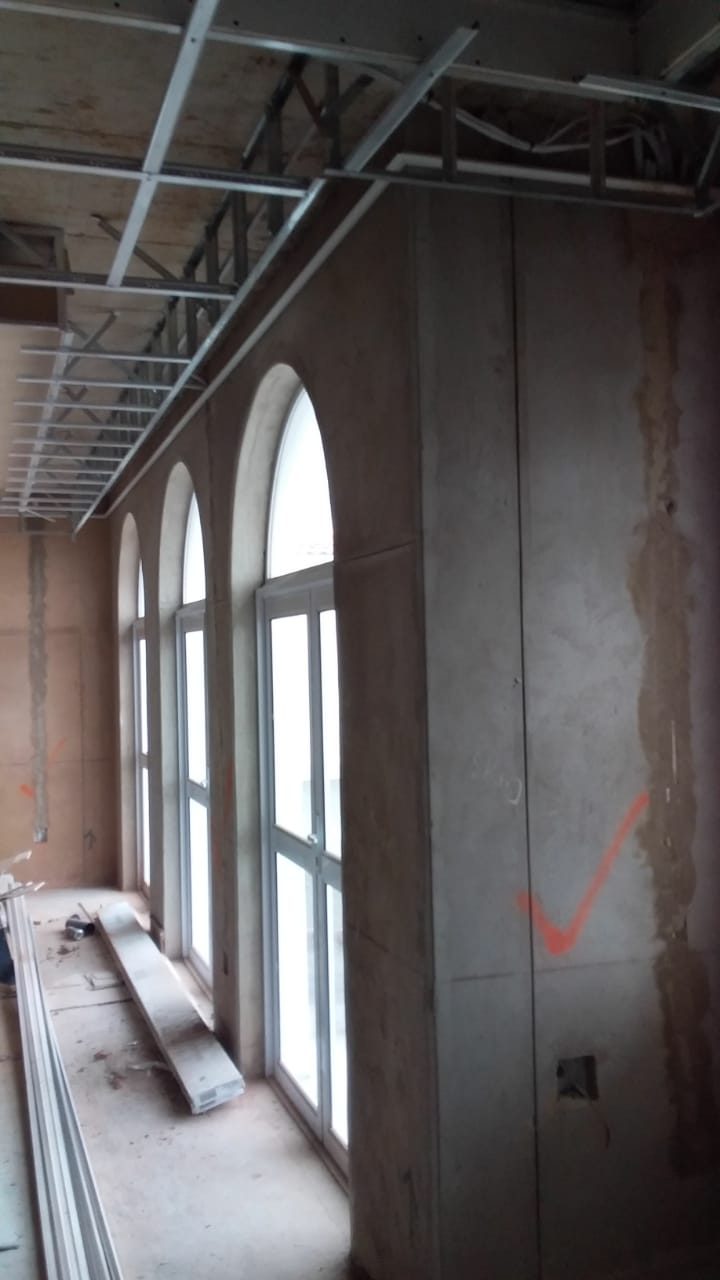
The best time to inspect old AV cabling is before finishes are final.
Before plaster. Before ceilings close. Before cabinetry blocks access. Before electrical routes are finalised.
If the AV team is called after everything is finished, options become more expensive and less elegant.
The lesson is caution before cleanup
DG Technologies understands the desire for clean walls and modern finishes.
We also know that older cabling can hold useful history.
Before removing old speaker cables, wall plates or audio points, identify what they are and what route they represent.
The old system may be obsolete.
The path it left behind may still be valuable. See our pre-renovation smart-home inspection guide for the wider infrastructure check.