Music rooms and cinema rooms are often discussed as if they are the same thing.
They are not.
Both can use excellent speakers. Both can be beautifully designed. Both can form part of a high-end home. But the way they should be planned is different because the experience is different.
A cinema room is usually built around picture, dialogue, effects, seating rows, source control and immersion.
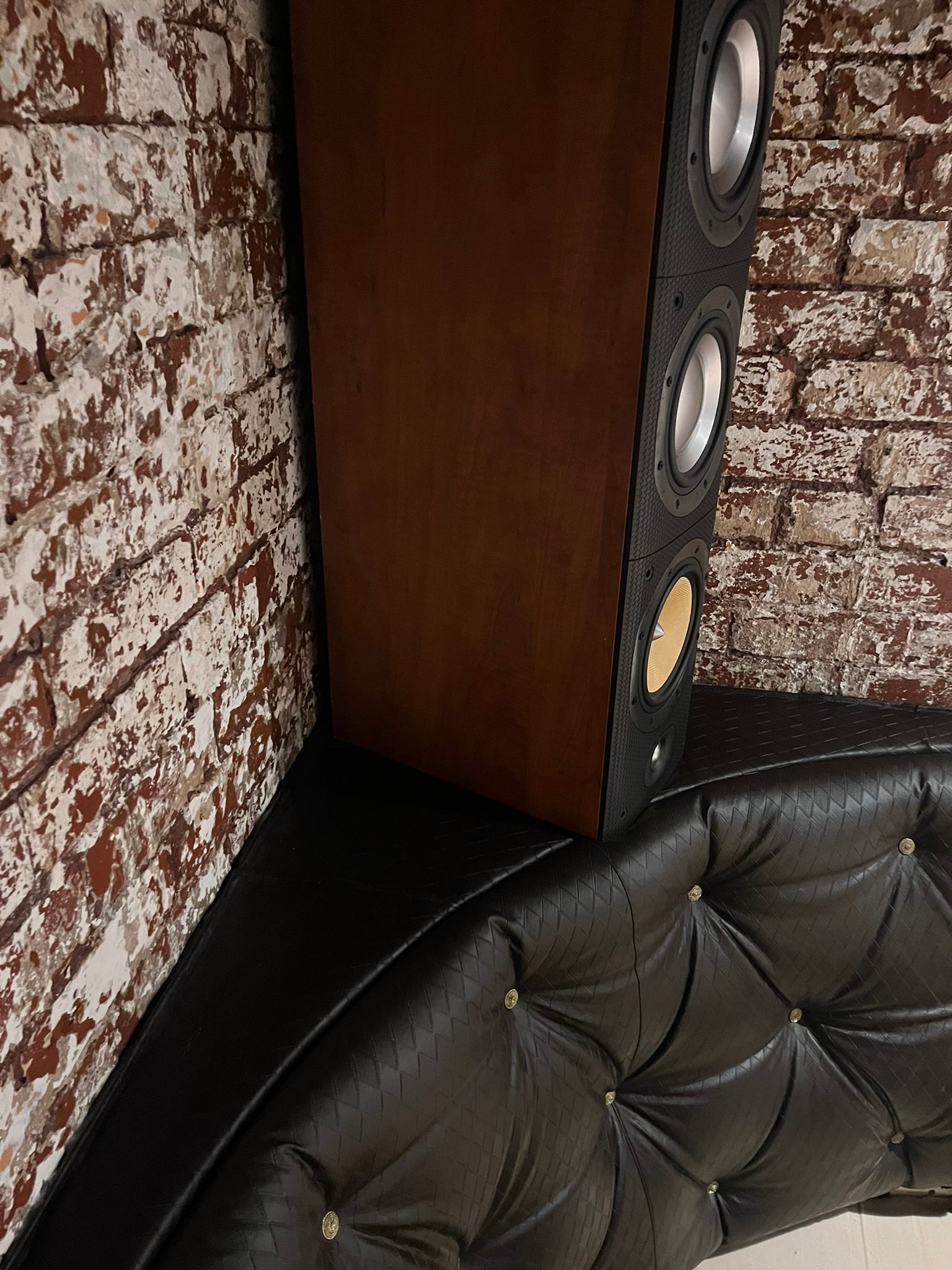
A stereo listening room is usually built around the relationship between two main speakers, the listening position and the room itself.
Confusing those two ideas can lead to expensive equipment being used in the wrong way.
Cinema is about a shared picture
In a cinema room, the screen is the anchor.
The speaker layout supports what is happening on that screen. Dialogue should feel connected to the picture. Surround effects should move naturally around the room. Bass should support the film without taking over. Lighting should allow people to move safely without damaging the picture.
The room is usually designed so several people can enjoy the experience together. That means seating layout, sightlines and usable control matter as much as the equipment list.
Stereo is about focus
A proper stereo listening position is more intimate.
The relationship between the left speaker, right speaker and listener matters enormously. Small changes in placement can affect imaging, tone and depth. A music room may not need the same number of speakers as a cinema, but it may need more care in the placement of fewer speakers.
This is why ceiling speakers are not automatically the correct answer for a music-focused room. They are excellent for background audio and can be very useful in multiroom systems, but serious listening often benefits from speakers positioned with stereo imaging in mind.
One room can do both, but it needs a decision
Many homes do not have separate rooms for music and cinema.
That is fine. A media room can be designed to do both well, but the priorities must be clear. Is the room mainly for films? Is it mainly for music? Is it a family lounge where ease of use matters more than perfect imaging? Is it a private listening space where the owner wants to sit down and really listen?
Those answers change the design.
They affect speaker type, speaker position, subwoofer use, equipment choice, cabling, control, furniture and acoustic treatment.
The wrong design can still sound expensive
One of the traps in premium audio is assuming that better equipment automatically solves the room.
It does not.
An expensive speaker in a poor position can disappoint. A powerful amplifier connected to the wrong room layout will not fix the underlying design. A cinema layout used for serious two-channel listening may feel impressive but unfocused. A stereo-focused room forced to behave like a family cinema may become awkward for daily use.
The system should be designed around how the room will actually be used.
Interior design and audio should meet early
Good speaker thinking affects the room.
A stereo room may need space around speakers. A cinema room may need carefully integrated front, centre, surround and height positions. Both may need acoustic treatment that looks intentional rather than added later. Both need cable routes and equipment access.
If these items are discussed early, the room can still look refined. If they are left until the end, the audio system has to fit into leftover spaces.
That is usually where compromises begin.
DG Technologies’ approach
DG Technologies does not treat every premium audio room the same.
Some rooms need discreet background music. Some need strong outdoor entertainment audio. Some need a cinematic surround experience. Some need proper stereo thinking. Some need a hybrid that balances music, movies, family use and interior design.
The correct design starts with the purpose of the room.
Before choosing speakers, ask what the room is meant to make people feel.