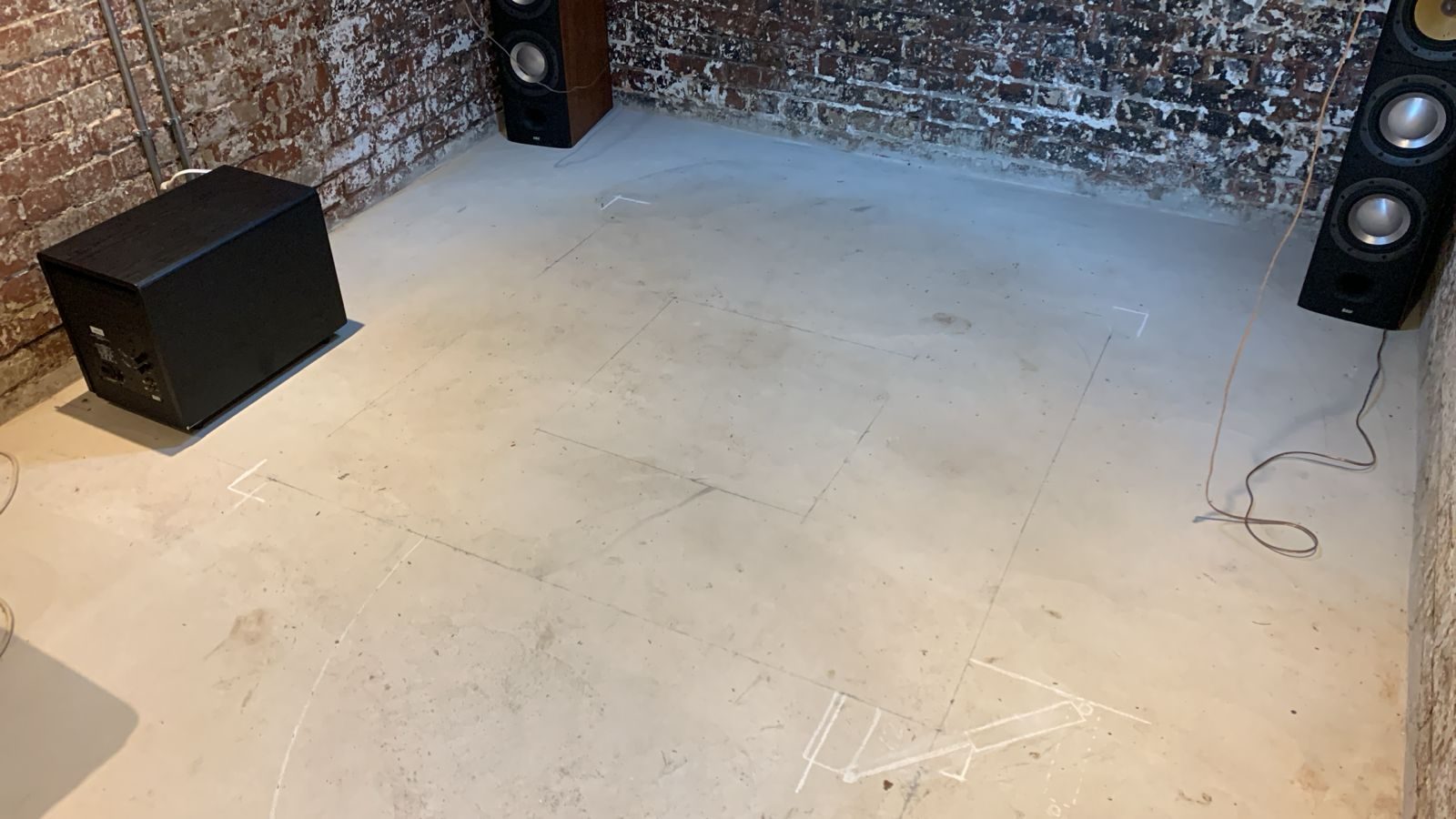
Surround sound is not only about adding speakers around a room.
It is about placing those speakers where they can create the right effect from the seats people will actually use. That is why surround speaker height and seating distance should be discussed before ceilings close, before bulkheads are fixed and before furniture is treated as a separate decision.
In many premium homes, the AV team is asked to make a cinema room work after the room has already been designed. The ceiling detail is fixed. The downlights are fixed. Air-conditioning grilles are fixed. The couch has been chosen. The result may still work, but the best options may already be gone.
Surround speakers need a relationship to the seats
A surround speaker does not exist in isolation.
Its position only makes sense in relation to the listener. If it is too close, it can become distracting. If it is too far away, the effect can feel weak. If it is too low, it may call attention to itself. If it is too high or badly aimed, the sound can feel disconnected from the picture.
The correct answer depends on the room, the seating layout, the speaker type, the ceiling shape and the desired cinema experience. That is exactly why it should be planned early rather than guessed later.
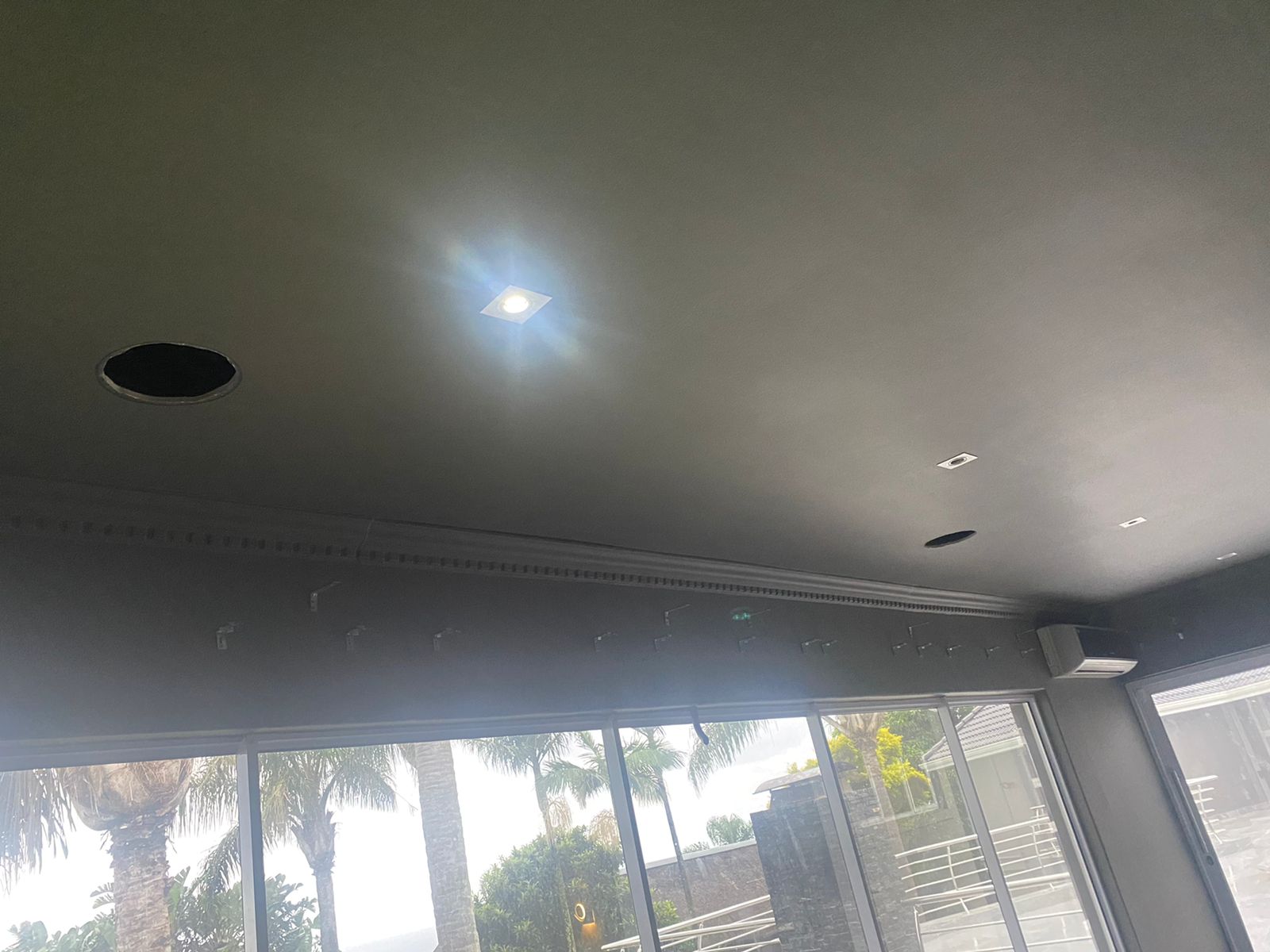
Ceiling coordination matters
Ceilings are busy.
A cinema or media room may need downlights, air-conditioning, access panels, speakers, projector cabling, curtain tracks, bulkheads, acoustic details and sometimes decorative ceiling features. If surround speaker positions are added after the ceiling plan is finished, something usually has to compromise.
The speaker may be moved away from its best position to avoid a light. The air-conditioning grille may land where a speaker should have gone. A ceiling beam may block the intended cable route. A decorative detail may leave no depth for the speaker.
These are not dramatic mistakes on paper, but they change the finished experience.
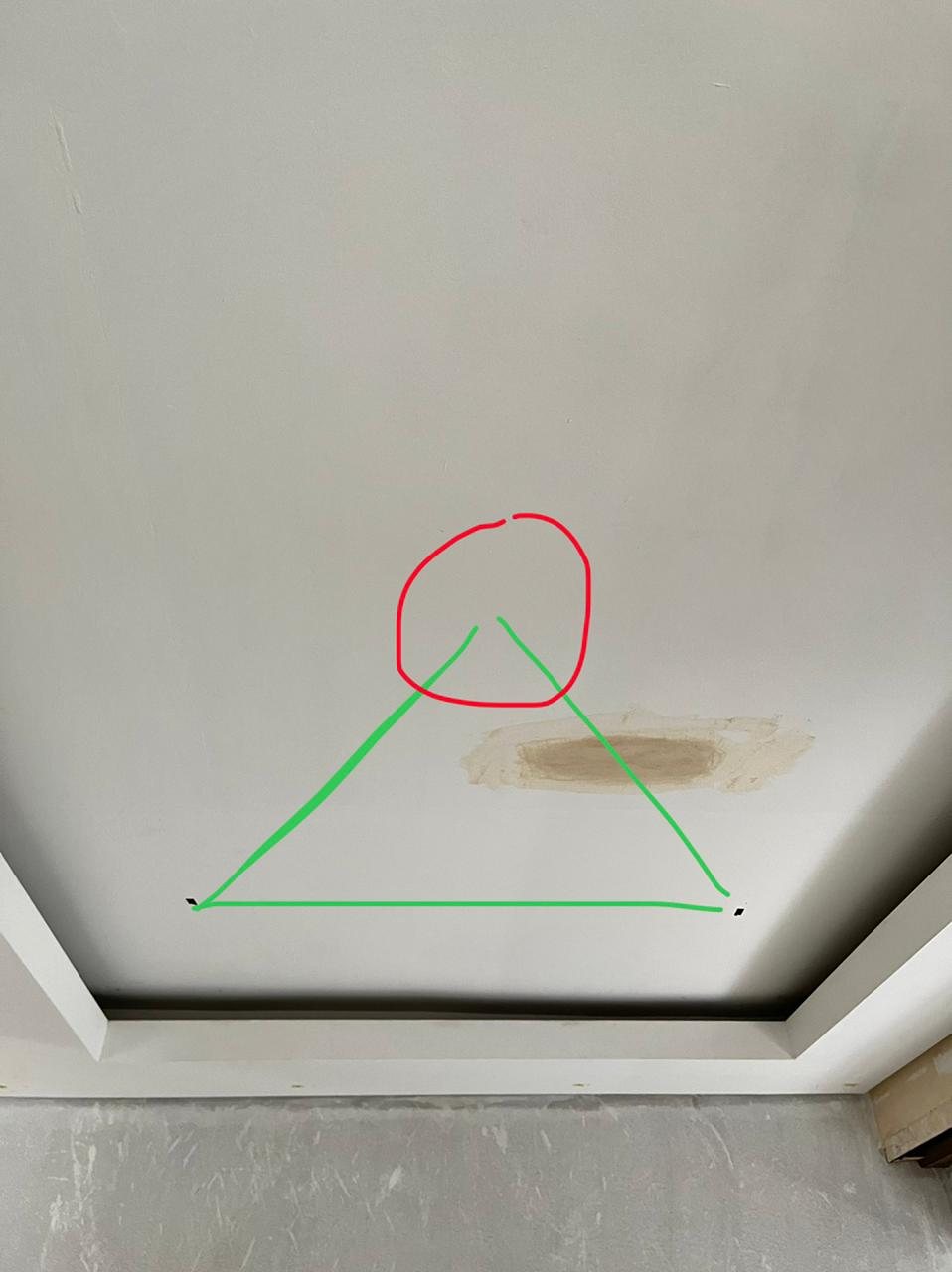
Speaker positions being coordinated with downlights in a Mount Edgecombe home. The aim is not only to make the ceiling neat, but to keep the audio layout intentional.
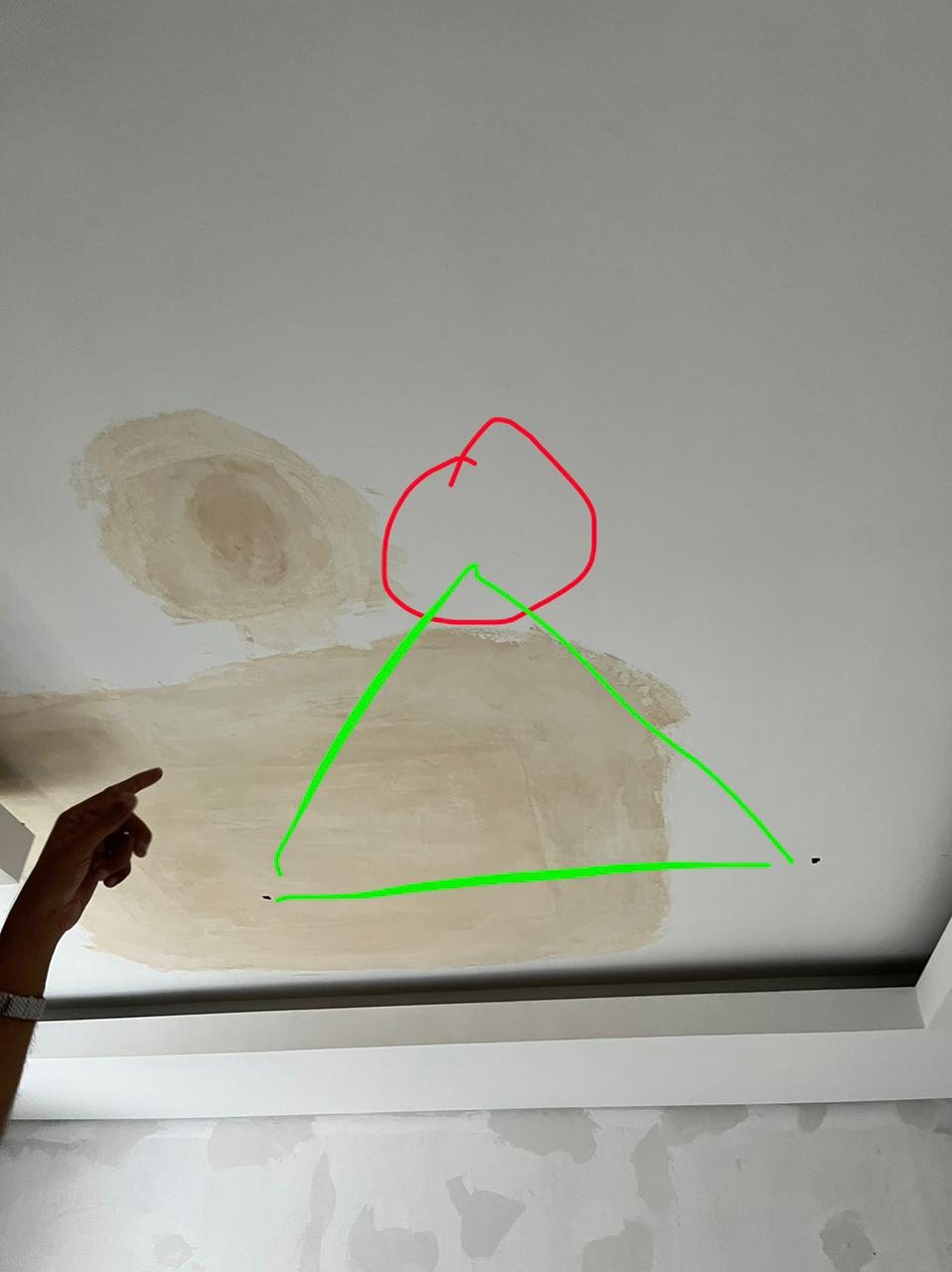
A second ceiling position from the same layout. These small geometry decisions are much easier before ceilings are closed and painted.
Furniture height affects what people hear
High-backed seating, deep couches and built-in furniture all affect surround performance.
A room can be wired correctly and still feel wrong if the speakers are firing into the back of a couch or are placed too close to someone’s ear. This is why the seating style should be part of the AV conversation, not only an interior design decision.
The goal is not to make the furniture less comfortable. The goal is to avoid choosing furniture that accidentally blocks or distorts the cinema experience.
Early planning protects the design
Architects and interior designers often worry that AV requirements will make a room look technical.
In practice, early AV input usually does the opposite. If speaker positions are known early, they can be aligned cleanly with ceiling details, fabric panels, wall treatments and lighting. If the AV team is brought in late, the room is more likely to need visible compromises.
Good planning lets the technology disappear because the room was designed to accept it.
What should be decided early
Before ceilings close, the team should know:
- where the main seating position will be,
- whether the room is casual media or serious cinema,
- where side and rear surround speakers will sit,
- whether height speakers are required,
- whether wall, ceiling or in-wall speakers are most appropriate,
- how cables will reach each point,
- whether speaker positions clash with lights, air-conditioning or structure,
- how the room can be serviced later.
That is not overcomplication. It is the practical work that makes the finished room feel simple.
DG Technologies’ approach
DG Technologies prefers to coordinate speaker positions before the room is dressed.
That does not mean every room becomes a technical drawing exercise. It means the important relationships are considered early: screen, seating, speaker layout, ceiling, lighting, equipment location and future access.
A premium cinema room should not feel like sound was added after the furniture arrived.
It should feel as if the room was always meant to work.