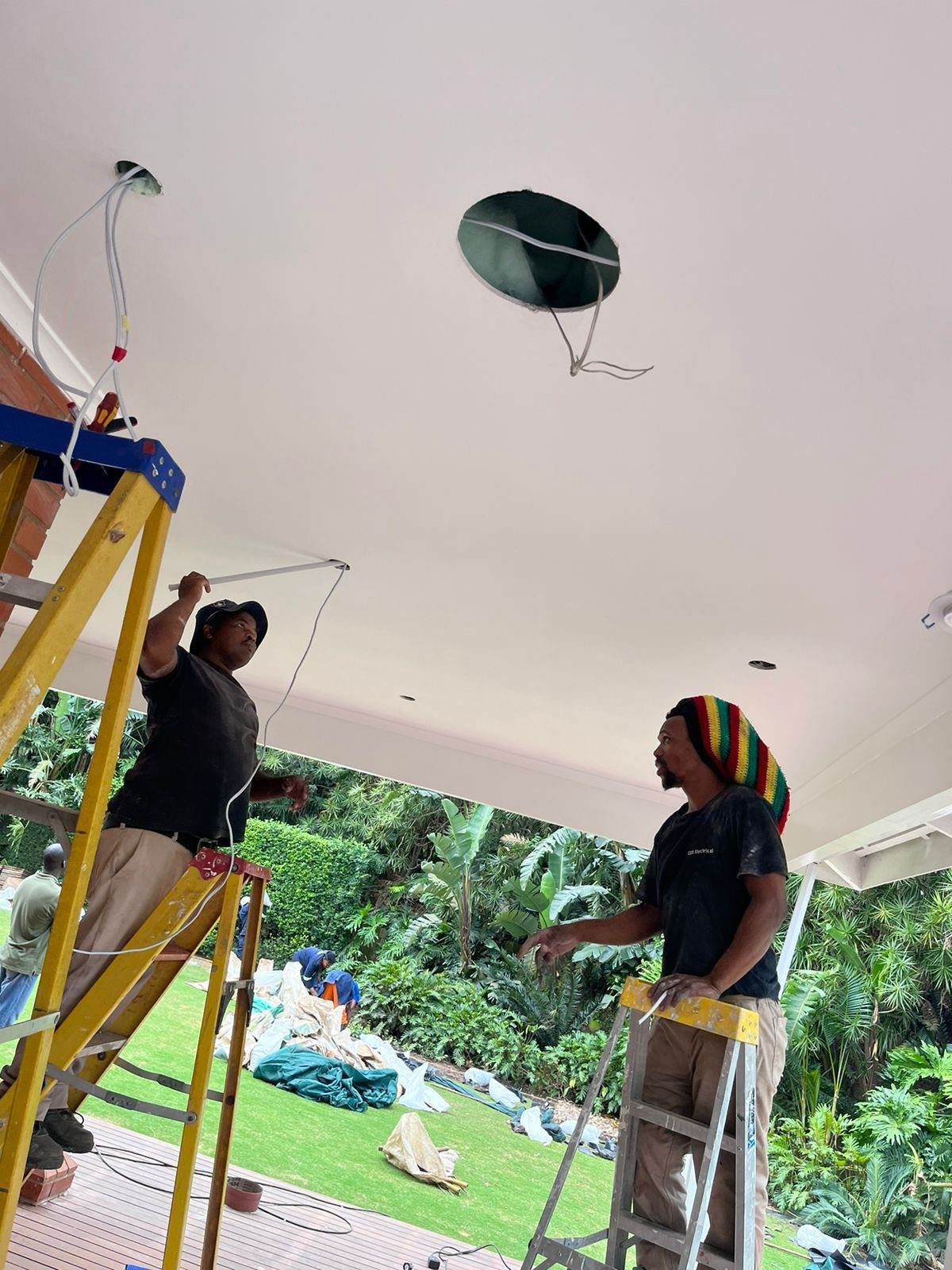
One of the easiest mistakes in home cinema is thinking the screen is the cinema.
It is understandable.
The screen is the thing everyone sees first. It is the most obvious part of the room. When people imagine a home cinema, they usually picture a large screen, a projector, comfortable seating and maybe a surround-sound system.
But a proper cinema room is not built around one impressive item.
It is built as a system.
Picture matters. Sound matters. Acoustics matter. Lighting matters. Seating position matters. Ventilation matters. Control matters. Network reliability matters. Cable routes matter. Service access matters.
If one part is badly planned, the room may still look like a cinema, but it will not feel like one.
At DG Technologies, we see home cinema rooms as complete environments. The goal is not only to make the image large. The goal is to make the room easy to use, comfortable to sit in and reliable enough that the family actually enjoys it.
Bigger is not automatically better
A big screen can be impressive, but only if it suits the room.
Screen size should be chosen around viewing distance, seating layout, projector capability, room shape and how the client watches content. Too large, and the image can feel uncomfortable. Too small, and the room loses impact.
The same applies to projectors.
The most expensive projector is not automatically the right projector for every room. Brightness, throw distance, lens shift, room light, screen gain, support availability and long-term maintenance all matter.
This is where judgement becomes important.
A cinema quote can become expensive very quickly if every decision is made by choosing the biggest or most impressive product in each category. That is not how we like to work.
The better question is simple:
What does this room actually need?
If the room needs a high-end projector, we will say so. If the room can achieve the client’s goal with a more sensible option, we would rather design honestly than oversell.
That approach is the same one we apply across smart-home work: spend where it improves the experience, and avoid waste where it does not.
Sound is half the cinema
A large picture with weak sound is not a cinema.
It is a big TV experience.
Sound is what gives the room weight. Dialogue must be clear. Effects must move properly. Bass must feel controlled, not boomy. The system must be balanced so the client does not constantly adjust volume between quiet speech and loud action scenes.
That requires proper speaker placement, suitable amplification, correct processing, careful setup and an understanding of how the room behaves.
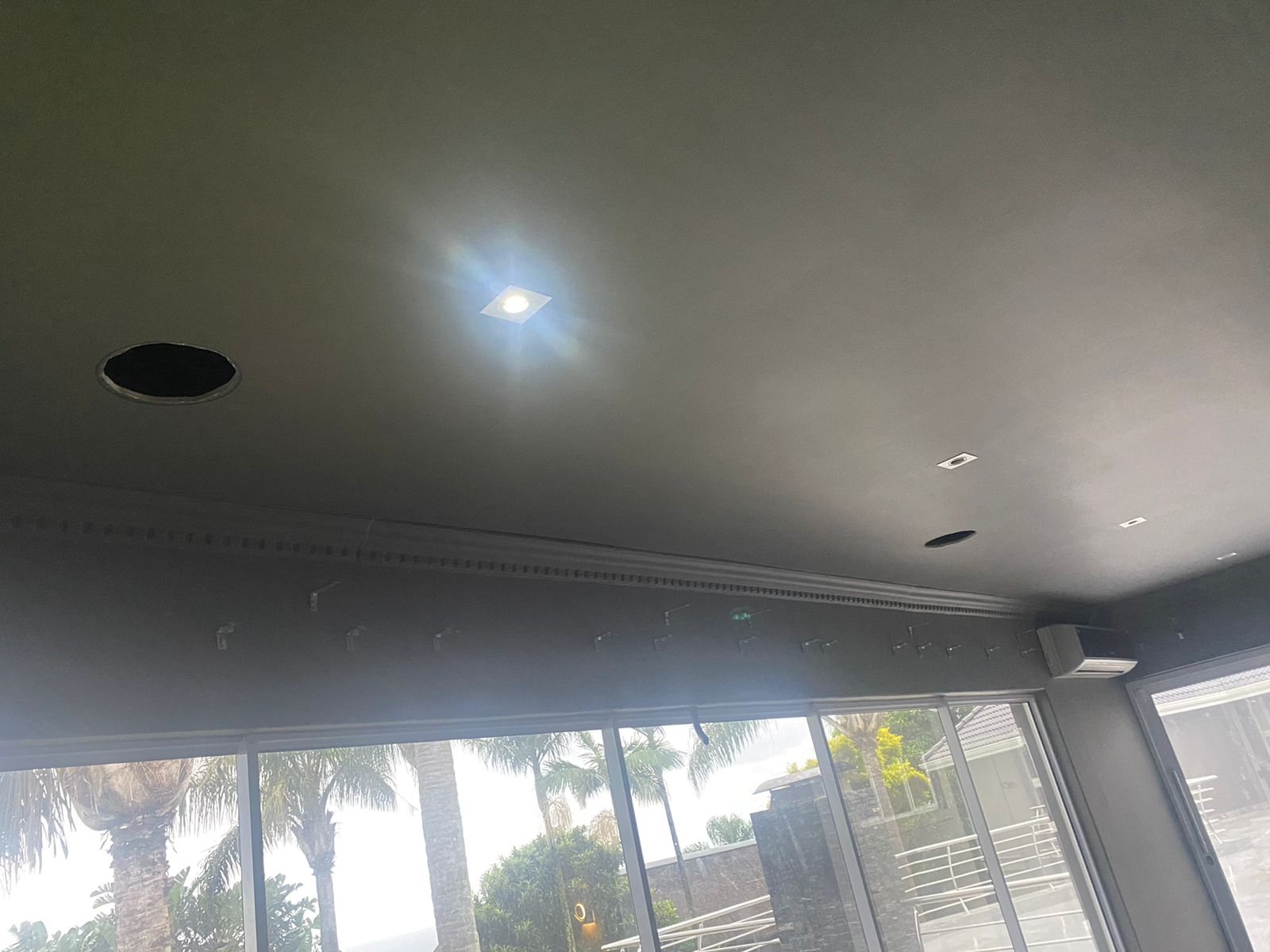
Rear speaker positions being opened during first fix. The visible hole is the easy part; the important work is deciding the position before the ceiling and seating layout are final.
In many homes, audio suffers because the room was designed visually before it was designed technically. Speakers are placed where they fit the decor, not where they should be. Subwoofers are hidden in convenient spaces rather than useful ones. The seating position is chosen before anyone considers where the sound will land.
Sometimes compromises are necessary.
But they should be understood compromises, not accidental ones.
This is especially important in homes where the cinema is integrated with multiroom audio, gaming, streaming, satellite TV, Apple TV, media servers or whole-home control. The cinema is not separate from the rest of the home. It is part of the wider AV design.
Acoustics are not decoration
Acoustic treatment is often misunderstood.
Some clients think it means covering the room in panels and making it look like a recording studio. That does not have to be the case.
Good acoustic planning can be subtle.
The aim is to control reflections, reduce harshness, manage bass and make speech clearer. In a cinema room, the walls, ceiling, floor, curtains, furniture and finishes all affect what the listener hears.
A beautiful room with hard surfaces everywhere can sound uncomfortable. A room with poor bass control can make expensive speakers perform badly. A room with uncontrolled reflections can make dialogue difficult, even when the equipment is good.
This is why the room matters as much as the product list.
You can buy good speakers and still get a poor result if the room fights them.
Lighting changes the way the cinema feels
Lighting is one of the most important parts of a cinema room.
It affects comfort, mood and usability.
A proper cinema should not simply have lights on or off. It should have useful scenes: Enter, Watch, Pause, Intermission, Clean, All Off, Exit. The client should be able to start the room without thinking about which circuit controls which light.
This is where lighting control and Crestron Home can make the experience feel polished.
When the client presses Watch, the projector warms up, the correct source appears, the audio processor selects the right input and the lights fade to the correct level. When the movie pauses, pathway lighting can come up softly. When the room is cleaned, work lighting can be bright enough to see properly.
That is the point of automation.
It should remove steps from the user, not add them.
Control should be simple enough for anyone to use
A cinema room often has several devices working together.
Projector. Screen. AV receiver or processor. Amplifiers. Streaming devices. Satellite decoder. Game console. Lighting. Air-conditioning. Network. Maybe access to CCTV or whole-home audio.
If the client needs five remotes and a set of instructions, the room is not finished properly.
The control experience should feel simple.
That may be through a Crestron touch panel, a remote, a keypad or the Crestron app. The exact interface depends on the home and the client, but the goal is the same: start the cinema, choose the source, control volume, adjust lighting and shut down cleanly.
We have written before that smart-home handover should prove the system is simple. That is especially true in a cinema room.
If the family avoids using the cinema because it feels complicated, the room has failed, even if the equipment is expensive.
The boring details protect the experience
Some cinema design details are not exciting, but they matter.
Ventilation is one of them.
Projectors, amplifiers and AV equipment generate heat. If the room or rack is not ventilated properly, performance and reliability can suffer.
Cable planning is another.
HDMI, speaker cable, network, control cabling, power and future conduit routes should be considered early. Once ceilings, bulkheads and finishes are complete, changing cable routes becomes painful.
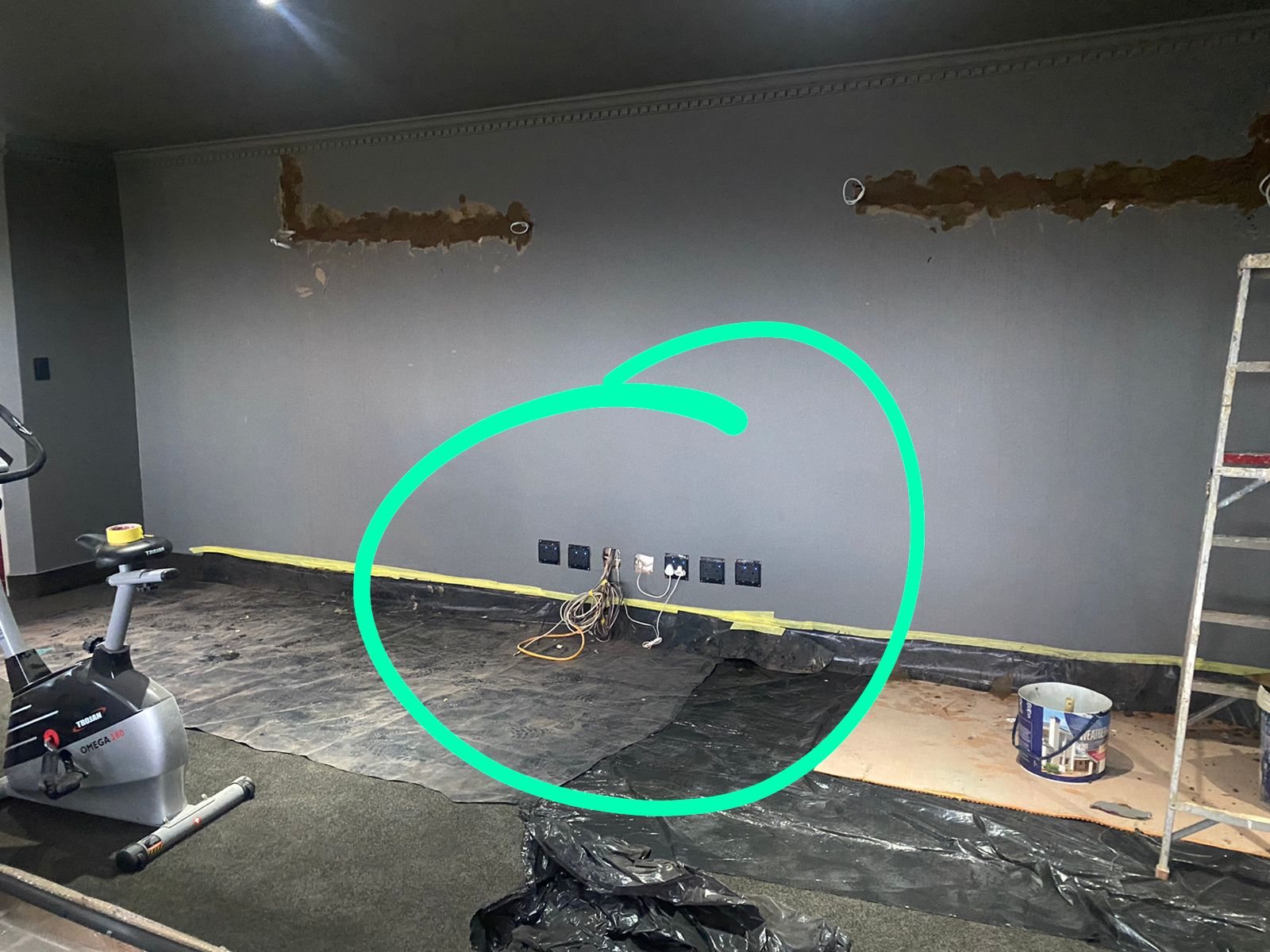
Home cinema cabling during first fix, before the room is dressed. Draw boxes, cable routes and service paths are not decorative, but they decide whether the room can be finished and supported cleanly.
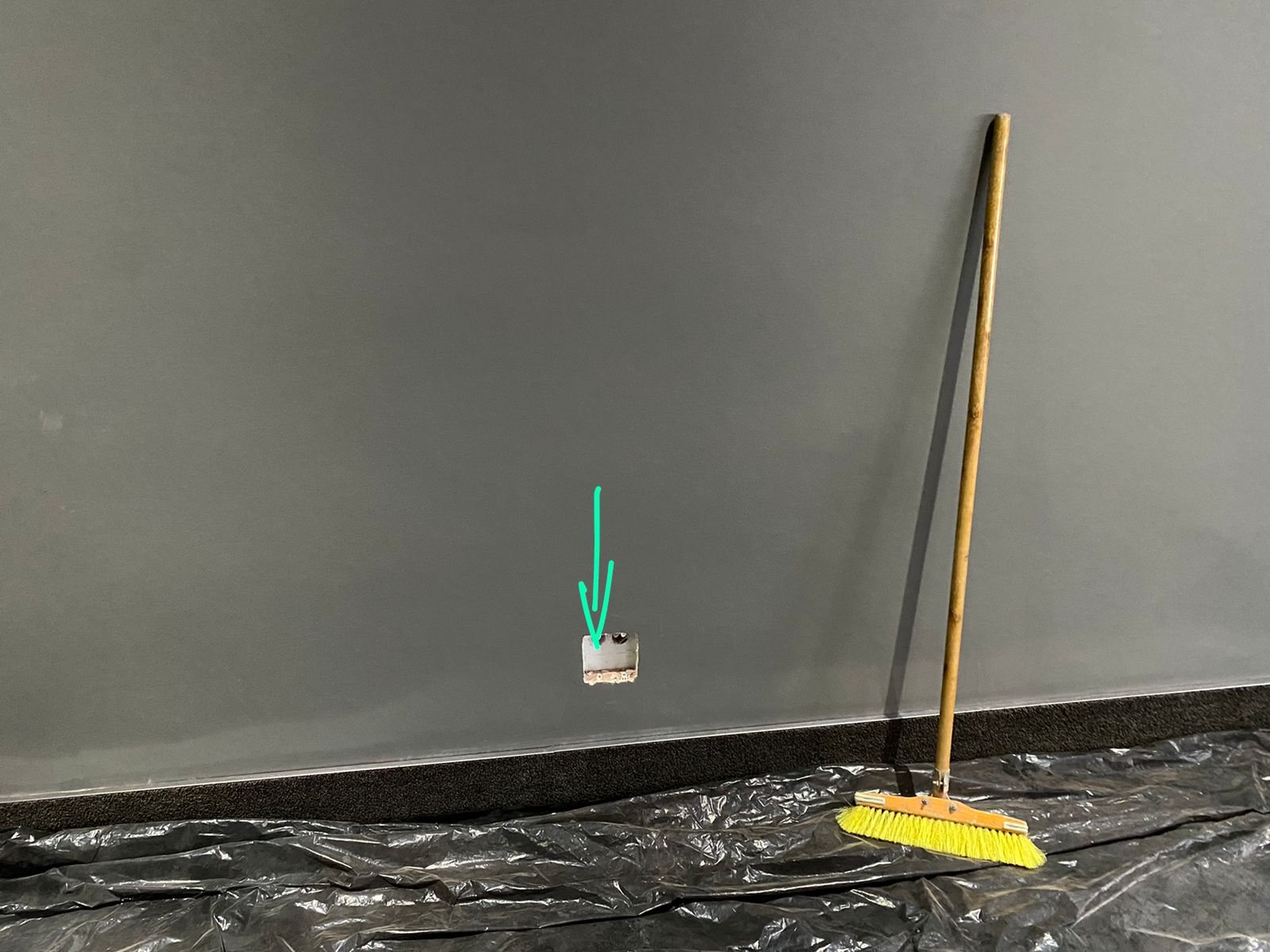
A recessed wall box positioned before cabinetry and finishes. Small details like this are what allow AV equipment, cable exits and furniture to sit cleanly later.
Networking matters too.
Modern cinema rooms rely heavily on streaming services, app control, firmware updates and networked devices. A weak network can make a premium room feel unreliable.
This is why we often connect cinema planning to network infrastructure, rack design and documentation.
The visible cinema experience depends on hidden work.
A cinema should still make sense years later
Technology changes.
Streaming platforms change. HDMI standards change. Projectors improve. Audio formats evolve. Clients replace devices. Families use rooms differently over time.
A good cinema design should allow for that.
That does not mean predicting every future product. It means leaving sensible cable paths, documenting what was installed, building a rack that can be serviced, and choosing control logic that can be adjusted later.
We have seen too many systems where future servicing becomes difficult because no one planned for the next stage.
A cinema room is not only a launch-day experience.
It is something the family should be able to enjoy and support for years.
The right cinema is the one people use
A home cinema should not be a room people show once and then avoid.
It should become part of the home.
That may mean a serious dedicated room with acoustic treatment, projection, surround sound and full lighting scenes. It may also mean a media room that balances performance with everyday family use.
The best design depends on the client.
How often will the room be used? Who will use it? Is it for movies, sport, gaming, family evenings, music or entertaining? Does the room need to be dark? Does it need to work during the day? Should it connect to the rest of the home? Does the client want a hidden technical room or visible equipment?
Those questions matter more than starting with a product list.
At DG Technologies, we believe the cinema should be designed around the experience first, then engineered properly behind the scenes.
The screen is important.
But it is not the whole cinema.
The room, the sound, the lighting, the control, the cabling, the rack and the support all decide whether the cinema becomes something the family genuinely loves using.