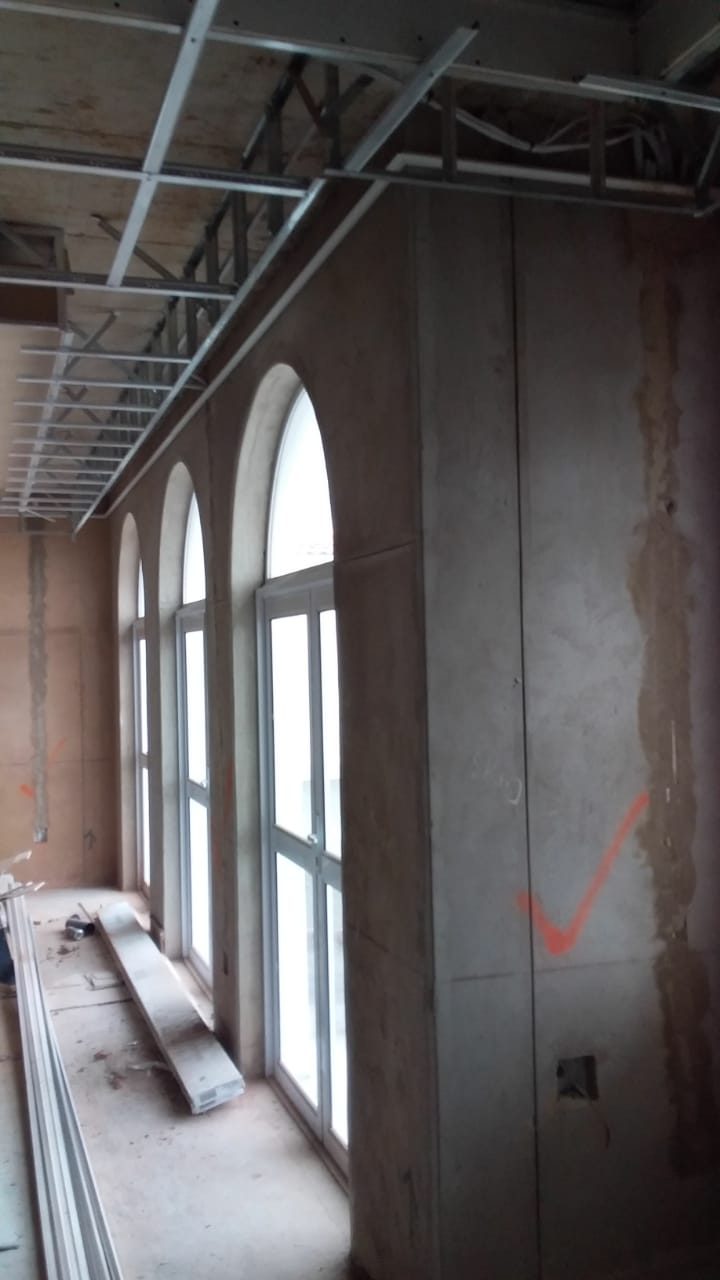
Lighting control in a new build should be designed before the distribution board is wired.
Once the DB is built, the circuits are pulled and the switch positions are committed, the automation design has already been shaped. If those decisions were made without the lighting-control plan, the system may still work, but it may cost more than it should or feel less natural than it could.
The important work happens before the lights are installed.
Start with circuits, not keypads
Clients often notice the keypad first.
That makes sense. It is the visible part of the system.
But the real design starts behind the scenes with the circuits.
Each lighting circuit needs a purpose. Some circuits should dim. Some should simply switch. Some outdoor loads may need relays. Some decorative lighting may need careful LED compatibility. Some circuits should be grouped into scenes. Some should remain simple.
If every circuit is made dimmable without thought, the quote can become unnecessarily expensive.
If too few circuits are controlled properly, the finished home may never feel right.
This is where experience saves money. See why not every light in a smart home should be dimmed.
Dimmers and relays solve different problems
A dimmer is not a better relay.
It is a different tool.
Dimmers are useful where the light level matters: lounges, dining areas, bedrooms, cinemas, feature lighting and evening scenes.
Relays are often the better choice for circuits that are simply on or off: passage lighting, utility areas, some exterior lighting, fans, pumps or loads that do not need dimming.
The decision affects cost, reliability, circuit design and the way the client uses the home.
That is why lighting control should be discussed before the DB design is finalised.
Keypad positions must match real movement
Lighting keypads should not be placed only because there used to be a light switch there.
They should match the way people enter, leave and move through the room.
For a new build, the plan should consider:
- entrance points;
- bed positions;
- passage routes;
- kitchen and entertainment flow;
- exterior doors;
- garage entry;
- staff/service entrances;
- house-manager control points;
- whether a touchscreen, keypad or normal switch makes sense.
A beautiful keypad in the wrong place still creates friction.
Good lighting control should make the room easier to use, not more technical.
LED compatibility must be checked
LED lighting can be excellent, but it must be compatible with the chosen control method.
Poor matching between LED drivers, lamps and dimming hardware can cause flicker, buzzing, ghosting, poor low-end dimming or unreliable behaviour.
This is not the kind of problem anyone wants to discover after the ceilings are finished and the fittings have been purchased.
The lighting supplier, electrician and automation team should coordinate early.
Outdoor lighting needs logic
Outdoor lighting is often more complicated than it looks.
Garden lights, driveway lights, wall lights, pool lights, pathway lights, security lighting and decorative exterior lighting may each need different control logic.
Some circuits may follow time schedules. Some may follow day/night sensors. Some may be part of arrival scenes. Some may need manual override. Some may need to stay off during certain inverter or battery conditions.
If outdoor circuits are wired without this logic in mind, the automation system has less useful control later.
Read why day-night sensors and garden lighting need clear control logic.
Backup power affects lighting control
South African homes need to think about what happens when power changes state.
Which lights stay available on inverter? Which circuits should not drain backup power? Which exterior or security lights must remain usable? Should heavy loads be isolated? Does the automation processor stay protected?
Those decisions affect electrical design, automation programming and client expectations.
Lighting control should be coordinated with the backup power plan before final DB wiring.
The DB needs space and serviceability
Lighting-control equipment needs physical space.
The DB or automation panel should be planned with enough room for modules, relays, dimmers, wiring, labelling, future changes and service access. A cramped DB may work, but it is harder to maintain and harder to fault-find.
The installer who has to support the home years later should be able to understand what was done.
Labels, drawings and clean terminations matter.
Decide before the DB is wired
Lighting control is one of the strongest parts of a premium smart home when it is designed properly.
It can make a large home feel calmer, reduce daily friction, improve evening atmosphere and make complex rooms simple to use.
But it only works well when the decisions are made early:
- which circuits dim;
- which circuits switch;
- where keypads belong;
- how LED loads behave;
- how outdoor lighting is controlled;
- what stays on backup power;
- where the control equipment lives;
- how the system will be documented.
DG Technologies can coordinate lighting control with the architect, electrician and wider home automation plan before the DB is wired.
Related reading: