One of the harder conversations in home automation is explaining why the first stage sometimes feels expensive before it looks impressive.
A client may only want a few lighting scenes, a cinema room, some app control or a small number of automated circuits. Then the quote includes processors, network equipment, power protection, rack space, cabling, programming and commissioning.
It can feel like too much infrastructure for too little visible automation.
That infrastructure is what allows later additions to be planned and supported coherently.
The first stage carries the backbone
Every smart home needs a control layer.
That layer may include the processor, network backbone, power protection, app access, rack layout, low-voltage routes, cabinet space, documentation and the first set of programmed logic.
Once that is in place, adding more rooms later is usually more controlled.
Without it, every future addition becomes another separate mini-project. A keypad here. A relay there. A few smart devices somewhere else. A small app on another account. Over time the home becomes a collection of unrelated decisions.
That is where reliability problems start.
Staging is different from under-building
I have no issue staging a project.
In fact, I often prefer it when the budget is under pressure or when the homeowner is still deciding how they will use the property. Installing a sensible backbone can allow functions to be added later without forcing every feature into the first quote.
But staging only works if the first stage is designed honestly.
The question is not, “What is the cheapest way to switch on two lights?”
The better question is, “If this house eventually grows into a proper lighting, audio, cinema, access, Wi-Fi and security system, what must not be missing today?”
That changes the design.
The control centre should not be an afterthought
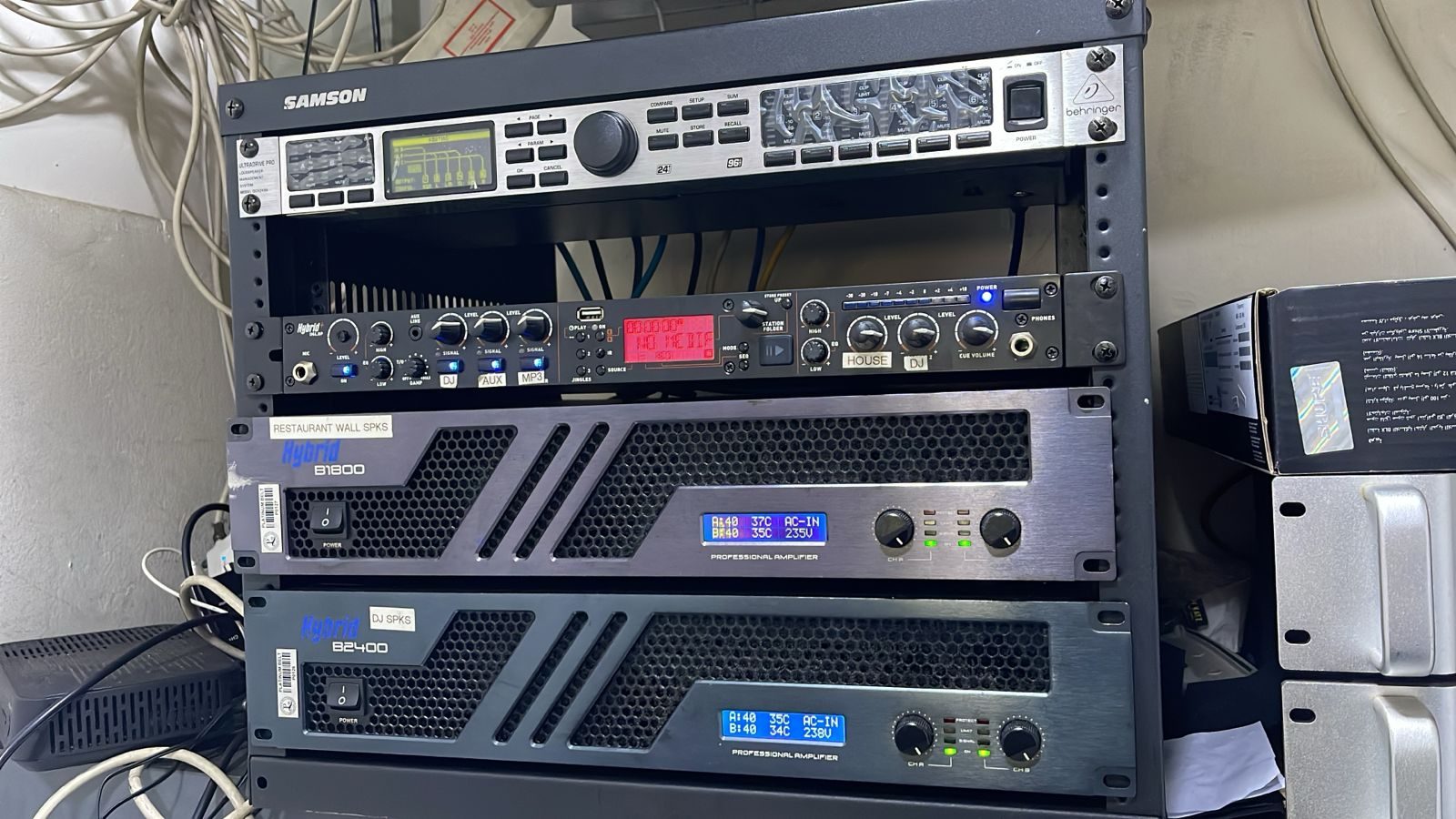
The control centre of the home needs space, ventilation, network access, power and serviceability.
It should not be squeezed into the nearest cupboard because that is where there happened to be a plug. It should not depend on a consumer router sitting loose on a shelf. It should not be impossible to reach without unpacking the owner’s personal storage.
If the home will grow, the rack or cabinet must allow for that growth.
Spare switch ports, spare patch capacity, labelled cabling, usable power distribution and accessible equipment are not luxuries. They are what prevent the second and third phase from becoming messy.
The expensive mistake is pretending the home will never grow
Many premium homes start with modest automation and expand later.
That is normal.
The problem is when the first phase is treated as a final system. No spare conduits. No spare cabinet space. No sensible rack. No clear network ownership. No naming convention. No documentation. No thought about lighting DB capacity or future control loads.
Then the owner asks for more.
What should have been a clean addition becomes a rescue job.
What I would rather do
If the budget does not allow for everything, I would rather reduce the visible feature list than remove the foundation that makes the system reliable.
That may mean fewer automated circuits at first.
It may mean fewer rooms of audio.
It may mean leaving some future TV points as prepared infrastructure only.
But the backbone must be coherent.
The home should know where its equipment lives, how it is powered, how it is networked, how it is labelled and how it will be supported later.
A staged system should still feel professional
A staged smart home should not feel unfinished.
The first phase should work properly. The homeowner should understand what is active now, what is prepared for later and what has deliberately been left out. The app should not be full of dead rooms. The rack should not be full of mystery cables. The handover should not rely on memory.
A staged handover should record those boundaries clearly.
The best time to protect the future system is before the first phase is finished.
That is why minimum automation infrastructure matters.
The purpose is to let the home grow without rebuilding its underlying routes and controls every time the owner adds a room.
Related planning: home automation in Durban and KZN and smart home power protection.