Crestron lighting control can make a home feel calm, intelligent and easy to live in. But the quality of the result depends on decisions most homeowners never see.
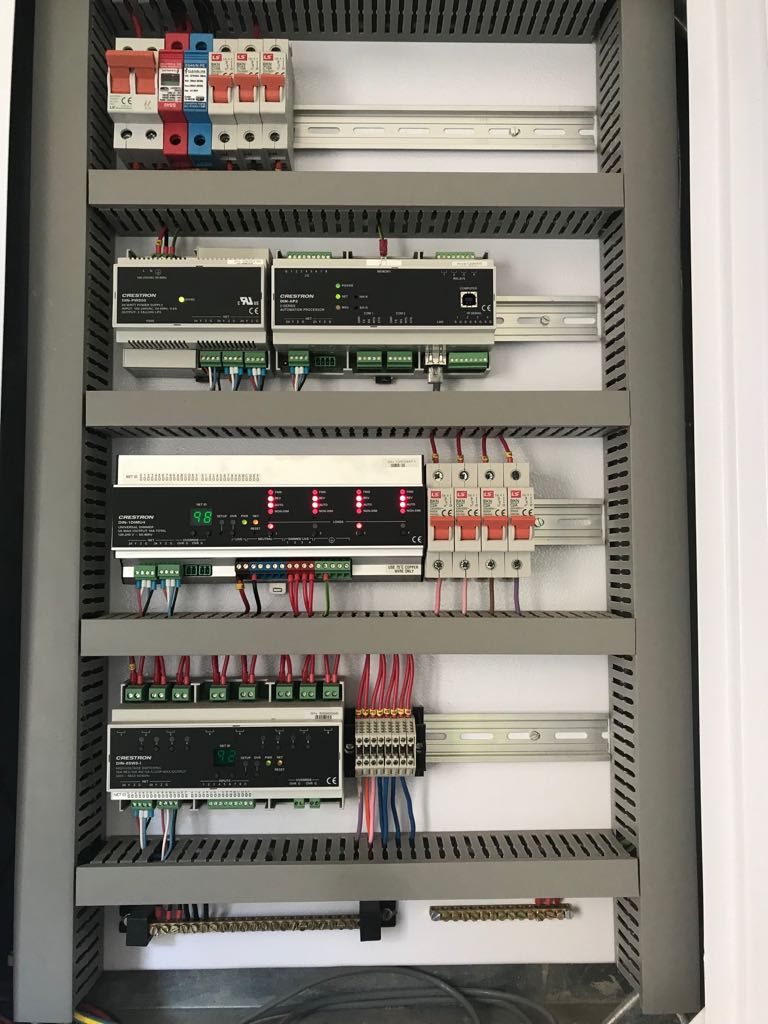
The keypad is only the visible part. Behind it are circuits, loads, modules, drivers, relays, dimmers, programming, electrical coordination and scene design.
If those decisions are wrong, a premium lighting system can still flicker, buzz, behave unpredictably or become expensive to maintain.
DG Technologies designs lighting control and Crestron Home automation around the way the home is actually used. That means choosing the right control method for each circuit, not automatically dimming every light because the system can.
The circuit matters before the keypad
Many people start lighting-control discussions with keypads, finishes and scene names. Those are important, but they are not the first technical decision.
The first question is: what type of circuit are we controlling?
A dining room pendant, a cinema downlight circuit, a passage light, a garage light, an exterior security light and a garden feature light may all need different treatment. Some benefit from dimming. Some only need reliable on/off control. Some may require specialist drivers or control protocols.
In a good Crestron design, the control hardware follows the circuit requirement.
Dimmers are valuable where mood matters
Dimmers make sense where light level changes the room.
Lounges, cinemas, dining rooms, bedrooms, bars, patios and entertainment spaces often benefit from dimming. A scene can bring multiple circuits to different levels so the room feels right without the client touching each light separately.
That is where Crestron lighting control is powerful. One button can create an evening scene, a dinner scene, a cleaning scene, a cinema scene or a pathway scene.
The value is not only that the light can dim. The value is that the room can respond naturally to how the family uses it.
Relays are often the better engineering choice
Not every circuit should be dimmed.
Storerooms, garages, service areas, some exterior lights, staff areas, plant rooms and security lighting may only need to be switched on and off. In those cases, relay control can be simpler, more reliable and more cost-effective.
A relay is not a cheap shortcut. It is a controlled switch. For many LED circuits, that is exactly what is required.
This is especially important in modern homes where LED fittings and drivers do not always behave well on dimmers. If a circuit does not need dimming, adding a dimmer can introduce cost and possible compatibility problems without improving daily life.
Good engineering is knowing when not to overcomplicate the circuit.
LED compatibility changed lighting control
Older homes were often designed around incandescent or halogen loads. Modern KZN homes use LEDs almost everywhere.
LED lighting is efficient, but it is also more sensitive to control method. Some fittings need trailing-edge dimming. Some need 0-10V, DALI, DMX or relay control. Some drivers are simply not suited to dimming at all.
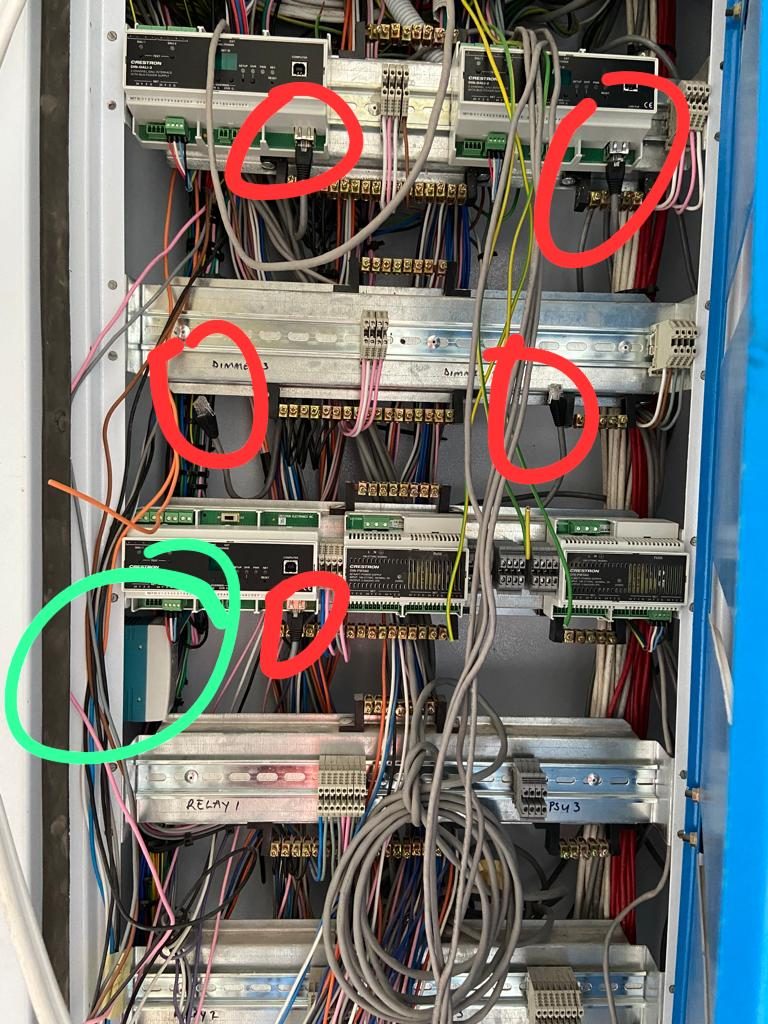
When an older Crestron system is upgraded or repaired, this becomes a major consideration. A homeowner may think the Crestron system is faulty because lights flicker or do not dim smoothly. The real problem may be a mismatch between the old dimming hardware and the newer LED load.
That is why DG Technologies assesses lighting loads carefully during Crestron repair and recommissioning.
The electrician and automation team must coordinate
Lighting control is not something the automation installer should discover after the electrical work is complete.
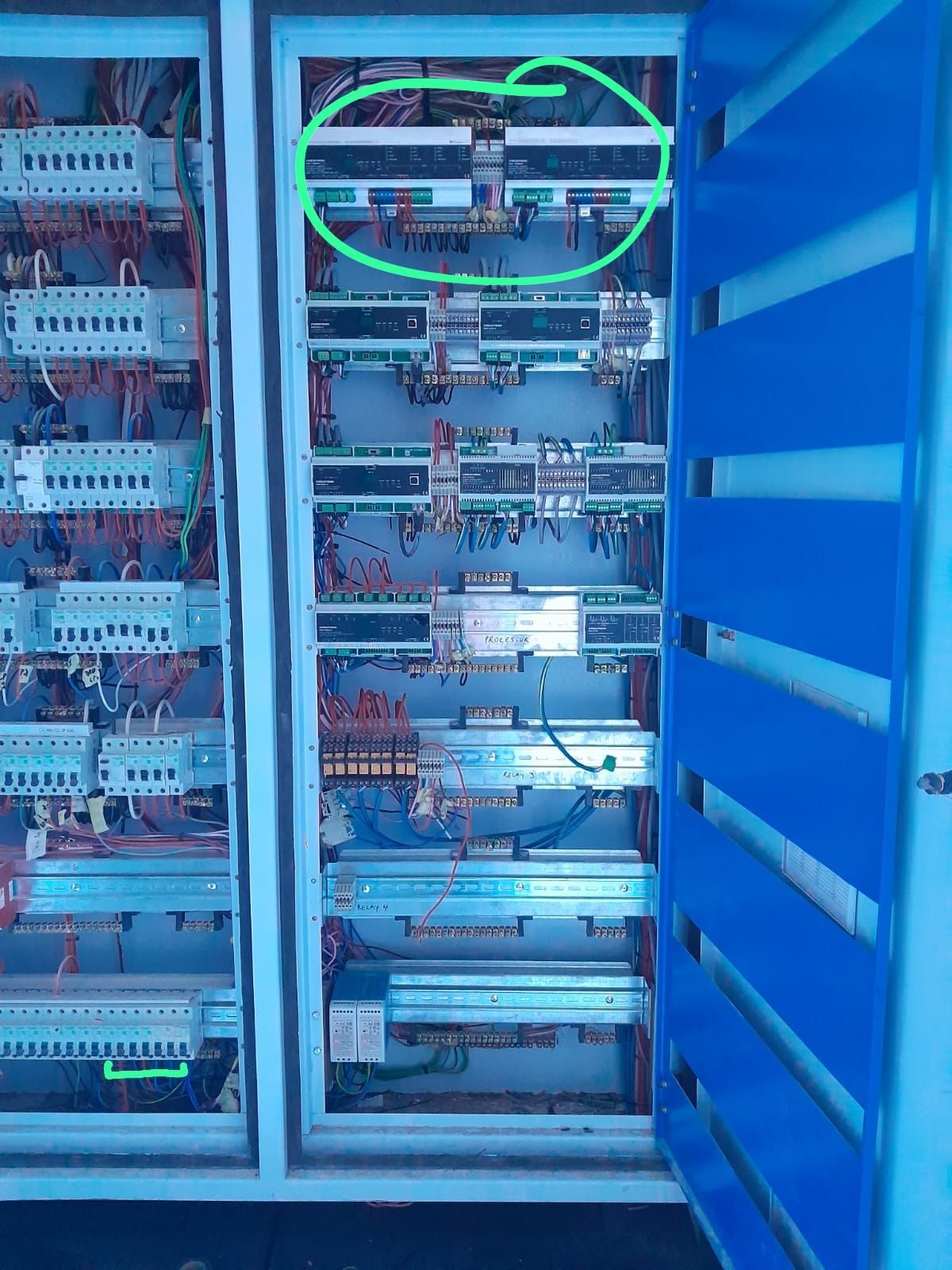
The electrician, architect, lighting supplier and automation team should coordinate early. The team should know which circuits are being dimmed, which are switched, where the panels are located, what loads are connected and what the client expects each scene to do.
If the electrical plan is completed without this coordination, the Crestron system may be forced to work around decisions that were never designed for automation.
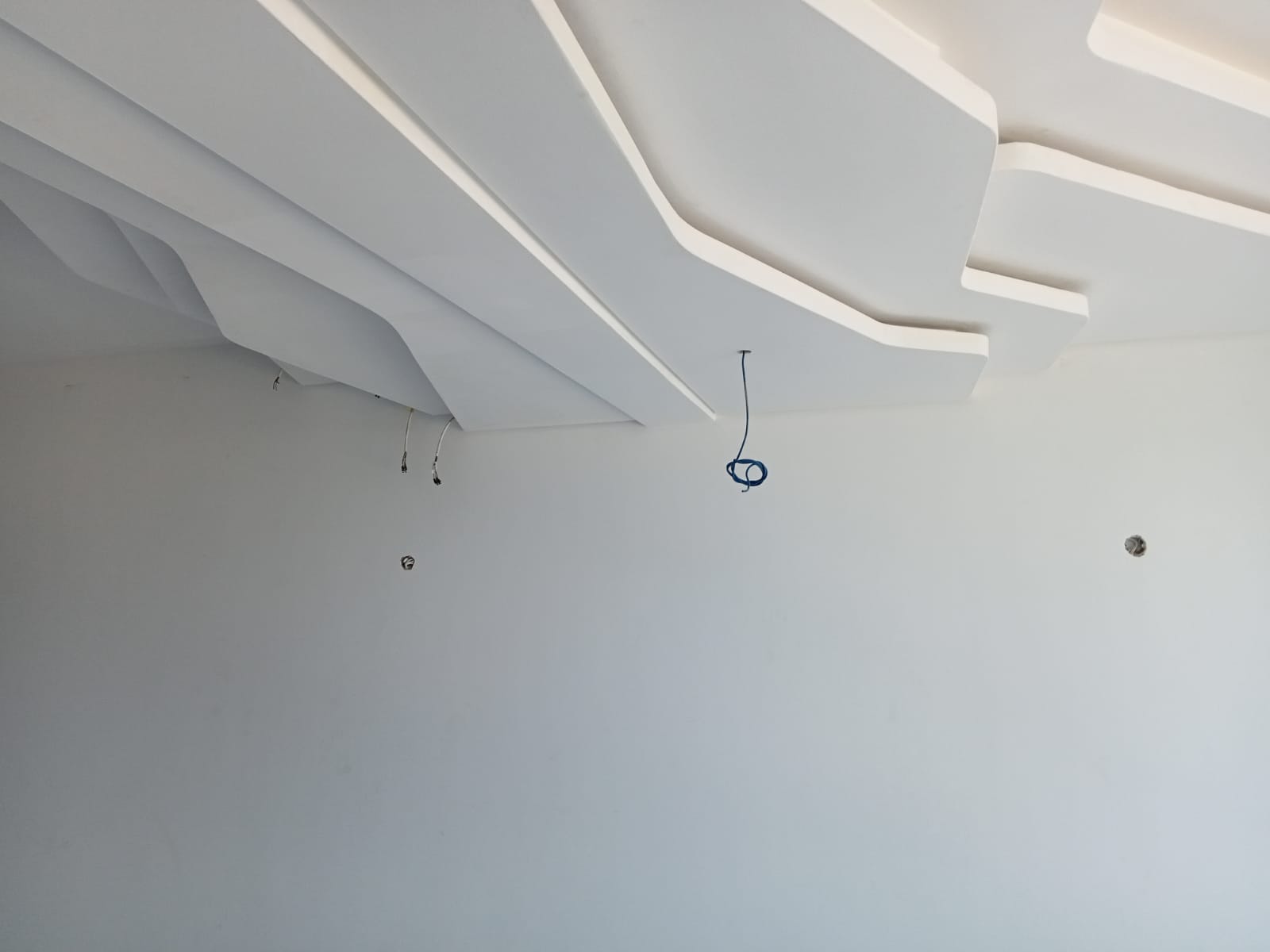
For new builds, this is why the smart-home team should be involved before first fix. For existing homes, it is why assessment matters before quoting replacement parts.

Good lighting control feels effortless
The client should not need to know whether a circuit is on a dimmer or a relay.
They should simply feel that the home responds properly.
When they arrive, the entrance should feel welcoming. When they entertain, the main living areas should shift together. When they start a movie, the cinema should settle. When they go to bed, the home should shut down calmly. When they need bright light, it should be available.
That is what Crestron lighting control should deliver.
The hardware choices matter because they support that experience. Dimmers, relays and LED drivers are not sales items. They are engineering decisions.
For more on how DG Technologies makes these decisions, read why not every light in a smart home should be dimmed and why lighting control design starts with circuits, not keypads.
Field images from DG site work