Some smart-home projects happen close to home.
Others do not.
When a project is in another country, on an island estate, in a remote coastal home or far from the normal support base, the work changes completely. The installation may still involve the same categories of equipment: lighting control, audio, CCTV, networking, access control and automation. But the planning discipline has to be much stronger.
You cannot rely on quick supplier runs, casual site visits or fixing missing details later.
Everything that can be decided early should be decided early.
At DG Technologies, this is one of the lessons we have learned from years of planning premium residential systems, including projects where the client, property, suppliers and installation team were not all in the same place. In those environments, a smart-home design is not just a quote. It is the instruction set for how the project should be built.
Distance makes small mistakes expensive
On a local project, a missing cable route is still a problem.
On a remote project, it can become a serious delay.
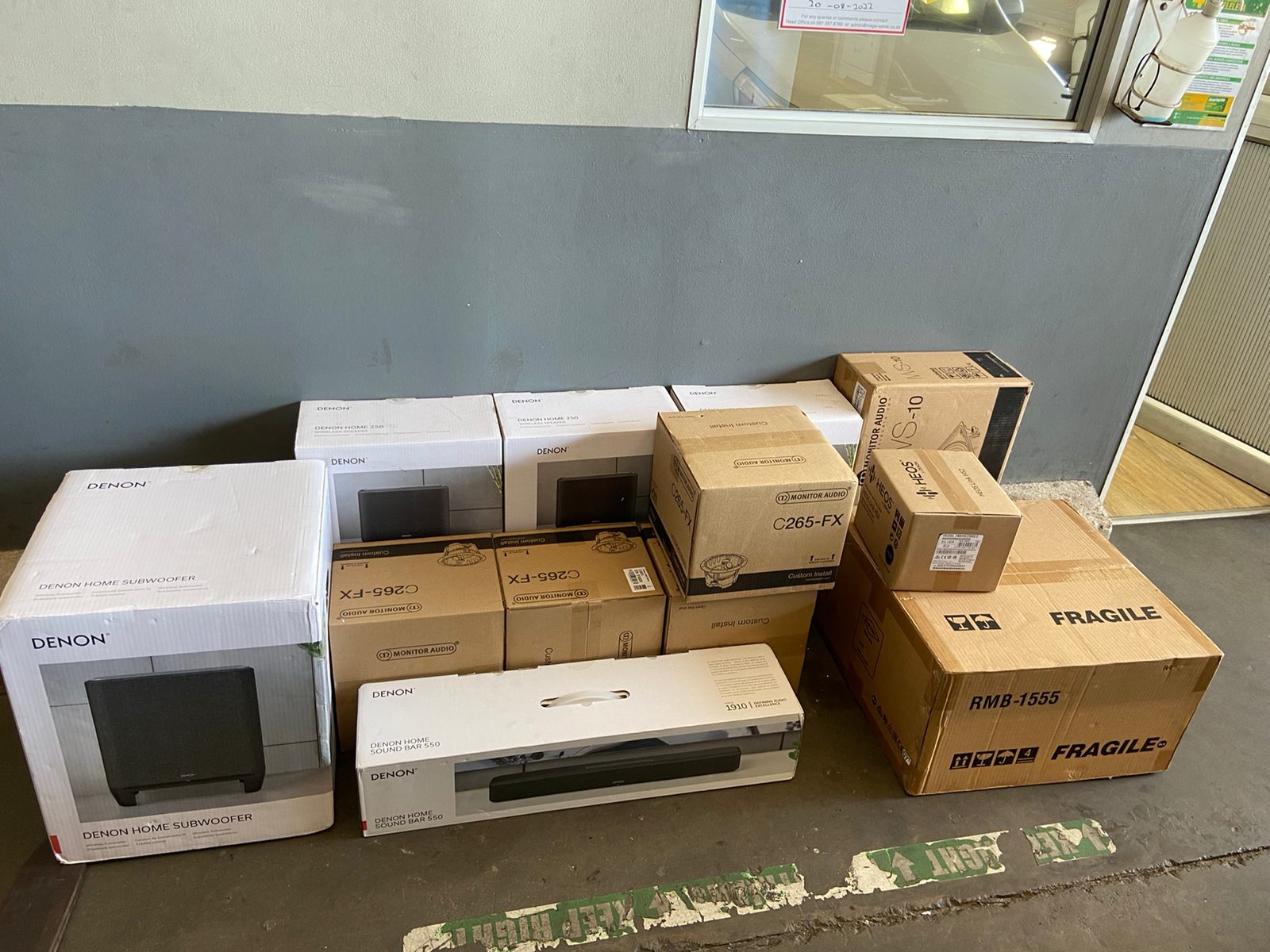
If the wrong equipment is shipped, the delay may not be a day. It may be weeks. If a drawing is unclear, the local electrician may install conduit in the wrong place. If the rack space is too small, the system may arrive on site with nowhere sensible to live. If the network design is vague, cameras, access points and control processors may all depend on assumptions nobody agreed to.
That is why remote project planning has to reduce assumptions.
The design should answer practical questions before work starts:
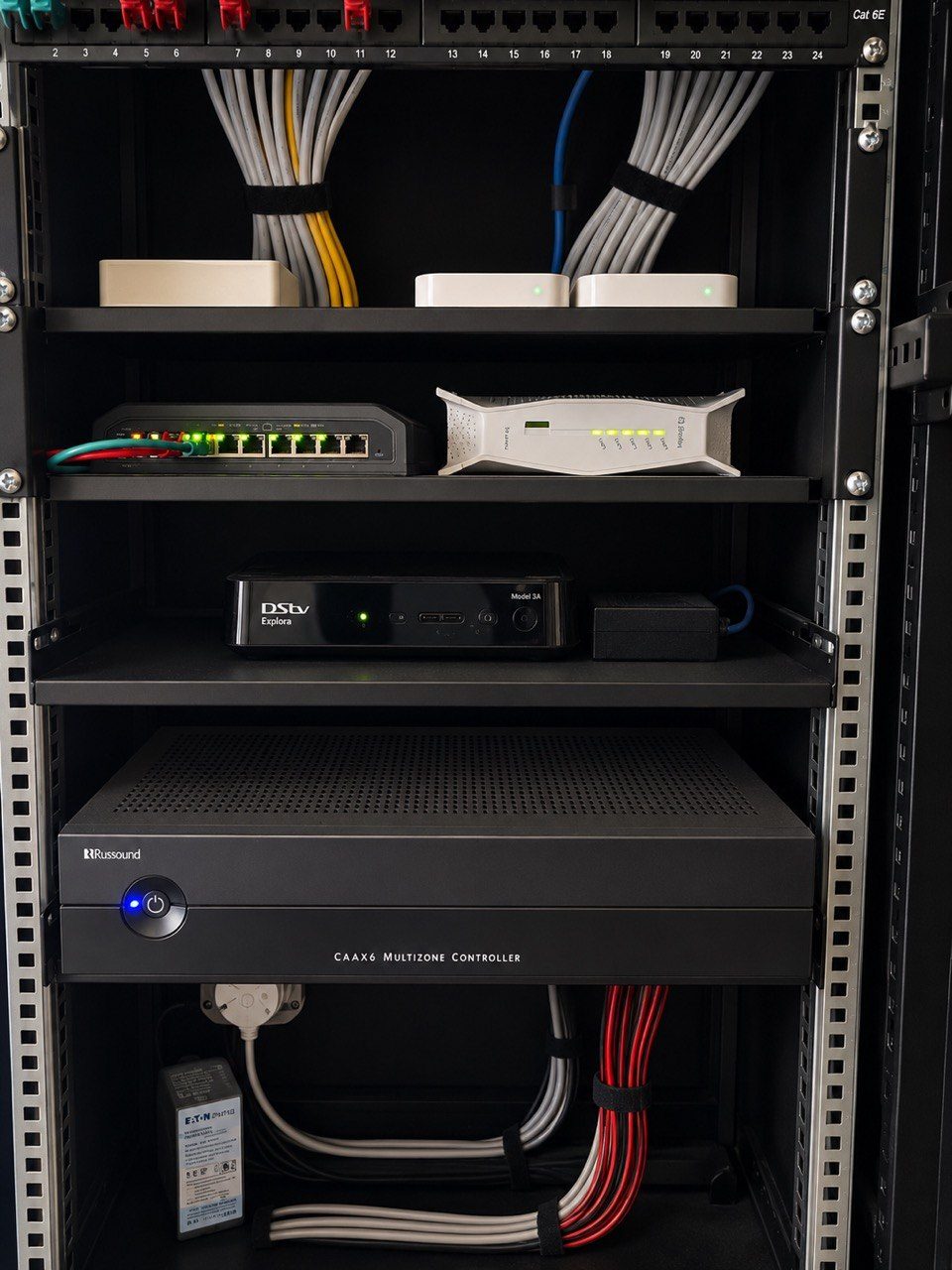
- Where will the main equipment rack be located?
- How much ventilation and service access does it need?
- Which rooms need audio, video, Wi-Fi, cameras or control?
- Which cables must be installed before walls and ceilings close?
- Which equipment needs local power?
- What can be supported remotely?
- What would require a site visit?
- Which parts can local contractors install, and which parts need specialist commissioning?
Those questions may sound basic, but they are often where the real project risk sits.
The drawings matter more when the designer is not always on site
Good drawings are useful on every project.
On a cross-border project, they become essential.
The person pulling cables may not be the person who designed the system. The person building the cabinet may not understand Crestron, CCTV or audio distribution. The builder may be focused on finishes. The electrician may be focused on compliance and power. The interior designer may be focused on keeping technology invisible.
The drawings have to communicate across all of those people.
That means they should be clear enough to show cable routes, equipment locations, speaker positions, access point locations, camera fields of view, keypad positions and rack requirements without requiring everyone to understand the full automation system.
This links closely to our broader approach to smart-home planning before walls close. The earlier the routes and locations are resolved, the less pressure there is later.
Equipment choice should consider support, not only performance
For remote homes, the best product is not always the most complicated product.
Performance matters. Reliability matters. But supportability matters too.
A holiday villa or overseas residence should not depend on a fragile design that only one person can understand. The network should be stable. The control system should be logical. The owner should have simple control from an app. The rack should be labelled. Remote access should be planned properly. The system should be documented so a future technician can understand what was installed.
That is why supportability is part of the product, especially when the property is far away.
In many homes, Crestron Home is a strong fit because it gives a professional control platform without unnecessary custom complexity for residential use. The system still needs proper design, but the long-term ownership experience can be cleaner and easier to maintain than an overcomplicated installation.
Remote homes need simple owner control
Many owners of coastal, estate and overseas properties do not live in the home full time.
That changes the brief.
They may need to check cameras from another country. They may need staff or guests to use certain rooms without confusion. They may need the network to recover after a power outage. They may need a simple way to turn systems off, check lighting scenes, access CCTV footage or confirm that the property is online.
The technology should reduce anxiety, not create more admin.
This is why the best remote-home systems are usually quiet, practical and well documented. They do not try to automate every possible function. They focus on the functions that make the home easier to own from a distance.
The real value is in decisions made before installation
For cross-border projects, the equipment is only part of the value.
The real value is the thinking that happens before equipment is ordered:
- deciding what must be installed locally,
- deciding what should be preconfigured,
- deciding what can be supported remotely,
- deciding what must be labelled and documented,
- deciding where not to add complexity,
- and deciding how the system will be understood years later.
That is professional system design.
It is not glamorous, but it is what keeps a remote smart home practical after handover.
For homeowners planning a premium residence, holiday property or estate home, DG Technologies can assist with home automation, network infrastructure, CCTV and AV design that is built around long-term ownership, not only installation day.
Field images from DG site work