A smart home cannot behave intelligently if nobody tells it what power system it is living on.
In South African homes, this matters because the house may have grid power, inverter power, solar, generator backup, essential loads and non-essential loads all working together. If the automation team only sees the lighting plan and the AV quote, they are missing one of the most important parts of the home.
They need the inverter-backed load list.
Essential and non-essential loads are not just electrical labels
An electrician may divide the DB into essential and non-essential circuits.
That is useful, but a technology system needs to understand what that means in daily use. If a lighting circuit is not backed up, a scene may behave differently during load shedding. If the network rack is on backup power but a television is not, the app may still show a working room that cannot actually display anything.
The automation logic should match the electrical reality.
The network must stay alive
For many modern homes, the most important backed-up technology load is not the television.
It is the network.
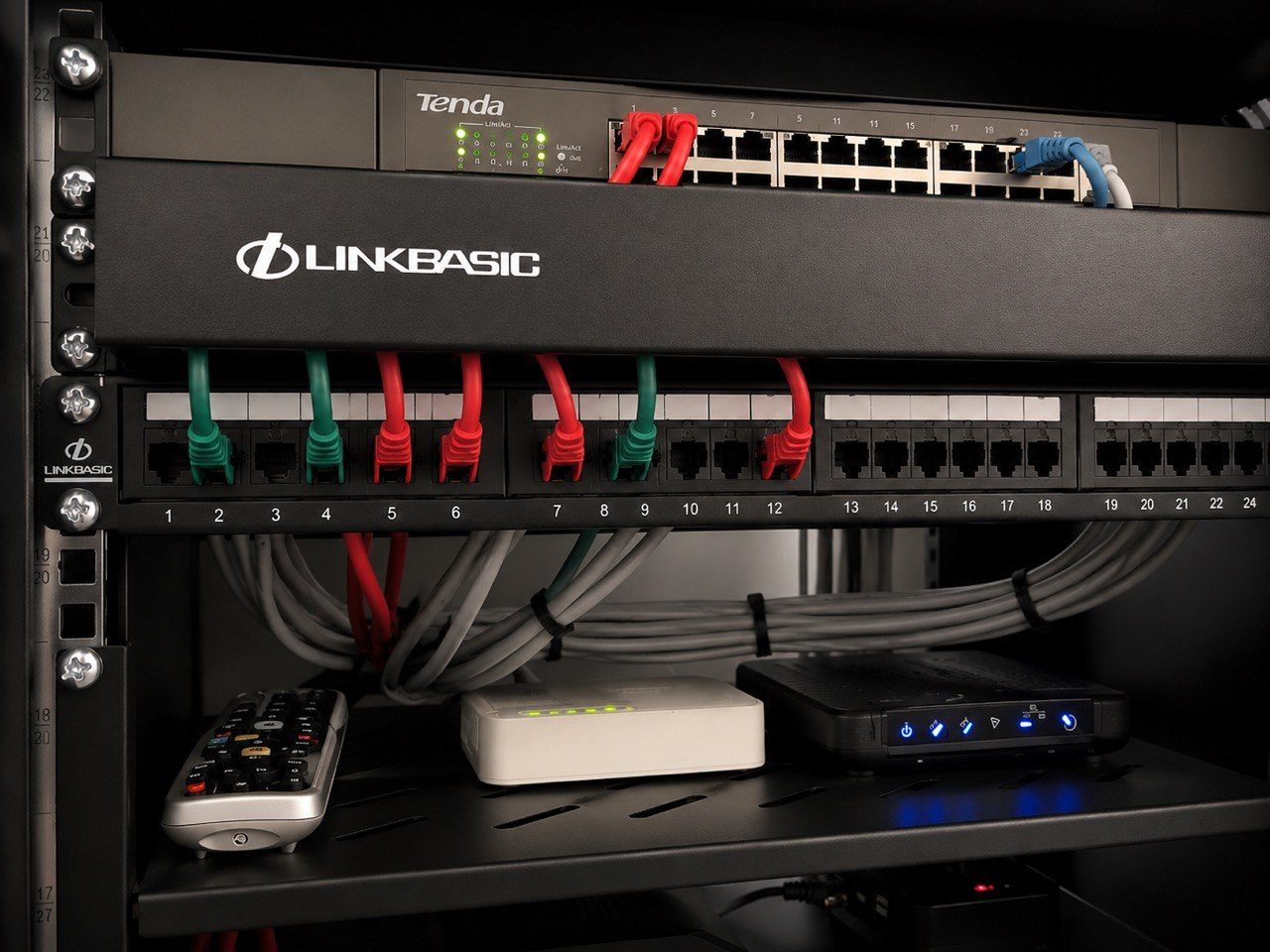
Routers, switches, access points, Crestron processors, CCTV recorders, intercoms and remote access equipment often depend on the same electrical foundation. If those devices drop during load shedding, the client may lose control of lighting, audio, cameras, gates or remote support.
That is why the smart-home team needs to know which cabinet circuits are backed up and how long they are expected to run.
Scenes should not assume full power
A normal evening scene may include dimmed lights, exterior lighting, audio, cinema equipment and perhaps climate control.
During load shedding, the same scene may be inappropriate. Some loads may need to stay off. Some may need to recover slowly. Some may need to remain manual. Some should be protected from rapid on/off cycling when power returns.
Good automation does not pretend the house always has unlimited power.
Heavy loads need special attention
Pool pumps, geysers, underfloor heating, air-conditioning, irrigation pumps and certain outdoor loads should not be treated casually.
If the automation system is expected to control or monitor these loads, the team must understand whether they are backed up, whether they are allowed to operate on inverter power and whether the client wants them disabled during certain conditions.
That discussion can protect the client from unnecessary battery drain and unexpected behaviour.
The handover should record the power strategy
A useful handover should not only say, “This button controls the lights.”
It should also record important power assumptions:
- which technology circuits are inverter-backed;
- which equipment is on UPS;
- which heavy loads are excluded;
- what happens when grid power returns;
- which systems need manual confirmation after an outage;
- who maintains the inverter and electrical side.
Without that record, the next support call starts with guesswork.
DG Technologies plans around how the home will actually run
At DG Technologies, we see power planning as part of smart-home design.
The client does not care whether a fault belongs to the electrician, inverter supplier, fibre provider or automation company. They care whether the home works when they need it.
That is why inverter-backed load lists should be shared with the smart-home team before commissioning.
The better we understand the power system, the better we can protect the experience.