When a smart home is finished, the visible result is what people remember.
The lights work. The Wi-Fi is strong. The cameras appear on the phone. The music plays in the right rooms. The cinema starts properly. The Crestron Home app makes the house feel simple.
But years later, the most valuable part of that installation may be something the homeowner hardly looked at on handover day.
The documentation.
At DG Technologies, we treat documentation as part of the product. It is not paperwork for the sake of paperwork. It is the record of how the home was built technologically: where the cables run, what each network port does, which rack equipment feeds which rooms, how the lighting is grouped, where spare capacity exists and what a future technician needs to know before touching anything.
That matters because homes do not stand still.
Owners renovate. TVs get replaced. Internet providers change. Cameras are added. Wi-Fi standards improve. Lighting loads change. Children move rooms. Outdoor entertainment areas get upgraded. New contractors come onto site. A system that made perfect sense during the original installation can become confusing years later if nobody documented the thinking behind it.
Good documentation protects the client from that confusion.
The problem with undocumented smart homes
An undocumented smart home can still work on day one.
That is the danger.
The homeowner presses a button and the room responds, so everything appears fine. The rack may be closed. The cables may be hidden. The network switch may be tucked away. The DBs may be labelled just enough for the installation team to remember what they did.
Then time passes.
The original installer moves on. Another contractor replaces a TV. The fibre provider changes equipment. Someone adds a camera. A power supply fails. A lighting circuit starts flickering. A Wi-Fi access point stops responding. A client asks whether a room can be upgraded.
Without documentation, every small change becomes detective work.
The next technician has to trace cables, open cupboards, test ports, guess where conduits go, identify which amplifier feeds which speakers, work out which camera is on which switch port, and rebuild knowledge that should have been handed over properly in the first place.
That costs time.
It can also cost the client money.
A home with no documentation is more likely to be overquoted, because the safest assumption for a new contractor is often replacement. If nobody knows what exists, what works, what is spare and what can be reused, the quotation becomes defensive. Replace more. Assume less. Avoid risk.
That is not always the right answer.
Drawings are not only for construction
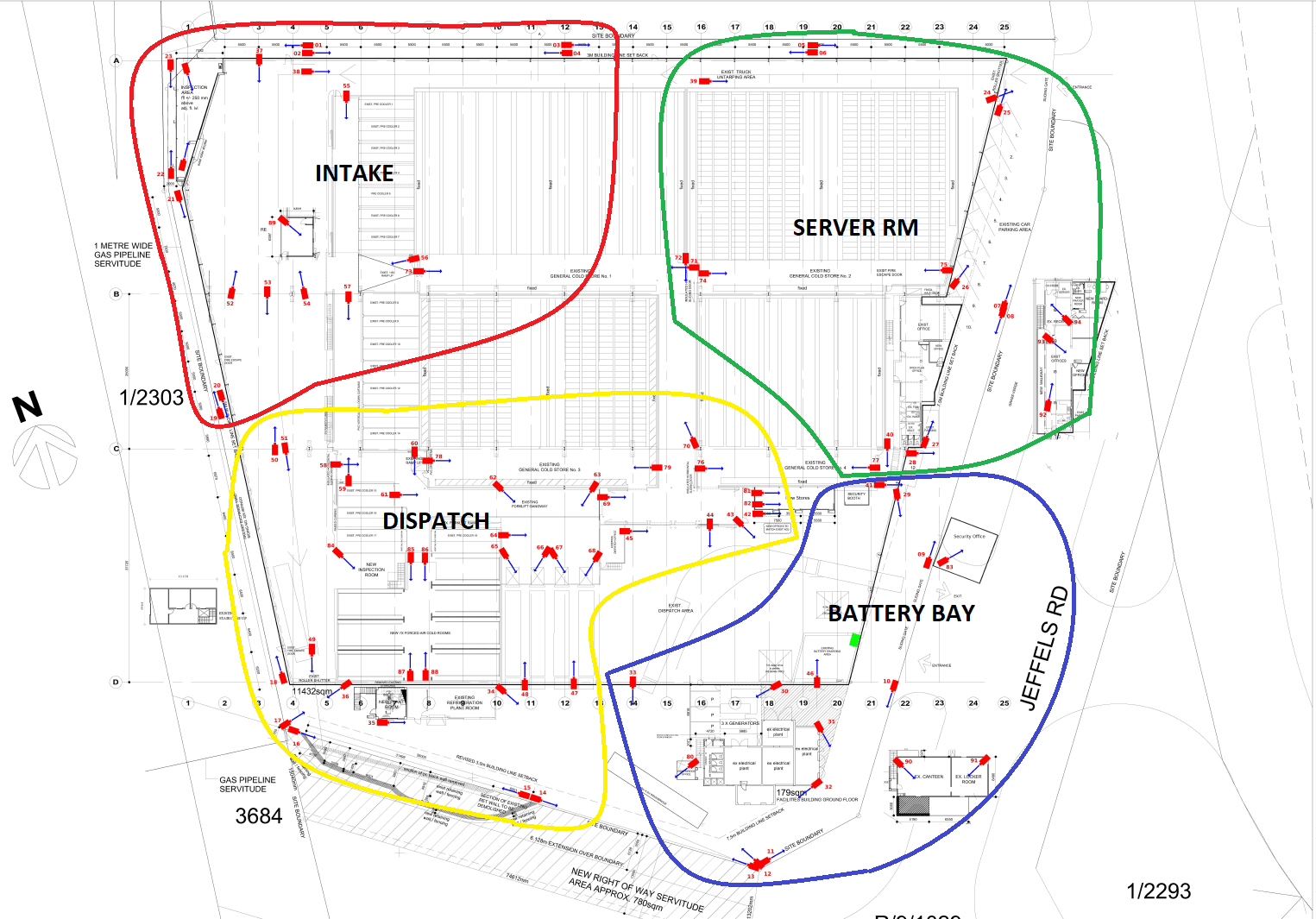
In construction, drawings are normal. Architects, engineers, electricians and builders all rely on plans because a building has too many hidden systems to manage by memory.
Smart homes should be treated the same way.
A serious home automation system may include lighting control, Wi-Fi, networking, CCTV, intercoms, gate control, audio zones, TV distribution, cinema rooms, rack equipment, UPS power, touch panels, keypads and mobile app control.
That is infrastructure.
It deserves records.
Good drawings and notes can show:
- Where the main rack or head-end is located.
- Which rooms have speaker cables.
- Which TV points have network and HDMI routes.
- Where Wi-Fi access points were planned.
- Which camera positions were allowed for.
- Which conduits are spare for future use.
- Which DBs, lighting modules or relay panels are part of the control system.
- Which network switch ports feed which equipment.
- Which devices are critical for the system to keep working.
That information becomes more valuable as the house ages.
It is not only there for the installer. It is there for the owner, the builder, the electrician, the architect, the future maintenance team and whoever opens the rack five or ten years later.
Documentation helps us avoid unnecessary replacement
One of the strongest reasons to document a system properly is that it helps everyone make better decisions later.
When we assess an existing smart home, we do not want to guess. We want to know what is actually there.
Can a cable be reused?
Is there a spare network point near the TV?
Does the rack have enough ventilation and power?
Is the amplifier still suitable?
Are the keypads wired in a way that can be supported?
Can the old system be brought into a modern Crestron Home environment, or does part of it genuinely need to be replaced?
Those questions are much easier to answer when the original system was documented. They are much harder when the only record is a bundle of unlabelled cables and a few memories from people who may no longer be involved.
This is why our approach to assessing what to keep and what to replace starts with understanding the system before recommending equipment.
Sometimes the client does need new hardware.
Sometimes the better answer is to reuse what still has value, remove what creates risk, and document the system properly so the next phase is easier to support.
That is the difference between selling equipment and making an engineering decision.
The rack should make sense to the next person
A neat rack is not only about appearance.
Neatness helps serviceability.
If cables are labelled, dressed properly and grouped logically, faults are easier to find. If the network switch is mapped, a technician can identify a device without unplugging half the system. If power supplies are labelled, a fault can be isolated faster. If rack drawings or notes exist, a future upgrade can be planned without pulling the system apart unnecessarily.
The opposite is also true.
A messy rack can make good equipment feel bad.
The processor may be reliable. The amplifier may be good. The network switch may be perfectly capable. But if everything is undocumented, badly labelled, poorly powered and impossible to trace, the system becomes fragile to work on.
That is why our legacy Crestron and smart-home rescue work often starts with the background infrastructure: rack layout, wiring, power, network, labels and documentation.
We are not only trying to make the system work today.
We are trying to make it understandable tomorrow.
Documentation supports builders and architects too
Good documentation is not only useful after the project.
It also helps during the build.
Architects, builders and electricians need clear information before ceilings close and finishes go in. If the technology contractor communicates poorly, the site team is left guessing. That can lead to missing conduits, wrong box positions, bad speaker placement, weak Wi-Fi routes, poorly positioned cameras or rack spaces that are too small for the equipment they must hold.
Clear drawings reduce those problems.
They allow the builder to plan routes, the electrician to coordinate DBs and power points, the cabinetmaker to leave space and ventilation, and the homeowner to understand what is being allowed for before changes become expensive.
This is especially important in large homes and estates in Durban, Umhlanga, Mount Edgecombe, Zimbali, Simbithi, Ballito and the KZN coast, where the technology package may touch almost every part of the property.
For this reason, our builder and architect planning support focuses heavily on early coordination, not only final installation.
Documentation is a sign of respect
There is another reason documentation matters, and it is less technical.
It shows respect.
Respect for the client, because they should not be trapped by a system only one person understands.
Respect for the home, because hidden infrastructure should be treated with the same care as visible finishes.
Respect for the next technician, because someone else may need to support the system later.
Respect for the project, because a premium home deserves more than memory and guesswork.
That is why we believe documentation is not an afterthought. It is part of the handover, part of the service model and part of the value the client is paying for.
Technology changes quickly.
Good documentation keeps the home understandable while everything around it evolves.
A smart home should still make sense ten years later
The best smart-home systems are not only impressive on handover day.
They still make sense years later.
They can be serviced. They can be upgraded. They can be explained. They can be handed to another professional without starting from zero. They allow the homeowner to make good decisions instead of expensive guesses.
That does not happen by accident.
It happens because someone cared enough to document the system properly.
At DG Technologies, that is part of the work.
Not because documentation looks impressive in a folder.
Because one day, when something needs to be repaired, upgraded or understood, those records may save the client time, money and frustration.
And that is exactly what good engineering is supposed to do.