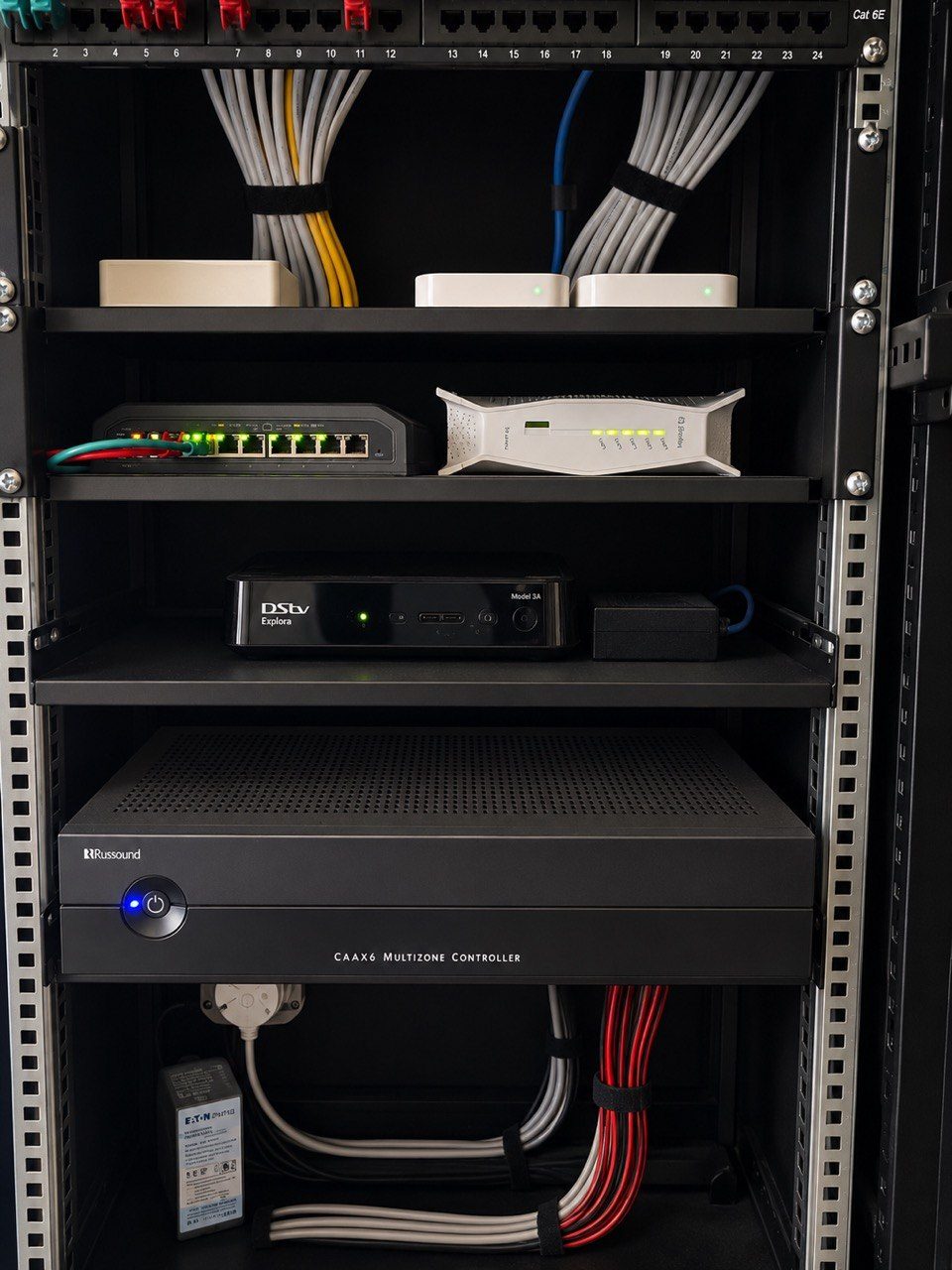
Most people judge cable routes by whether they are hidden.
That is understandable. In a premium home, nobody wants visible trunking, loose cables, surface-mounted shortcuts or messy equipment cupboards.
But hidden is not enough.
A cable route should also be logical, traceable and serviceable.
The route that looks neat on handover day can become a problem years later if nobody knows where it goes, there is no access, there is no spare capacity, or every change requires finished ceilings to be opened.
Hidden cables still need a plan
AV, CCTV, Wi-Fi, access control, lighting control and network systems all depend on physical routes.
Those routes decide where cameras can go, where access points can be placed, where speakers can be installed, where displays can be mounted and how the rack connects to the home.
If routes are chosen casually, the system inherits those limitations.
A good cable plan asks:
- Where does the cable start and end?
- Can it be replaced if needed?
- Is there conduit or only loose cable?
- Is the route protected from damage?
- Is there enough bend radius and space?
- Is the cable labelled?
- Is there access at key points?
- Is spare capacity useful here?
These questions are easier to answer before the build is finished.
Future access is not pessimism
Planning for future access does not mean expecting the system to fail.
It means respecting the life of the home.
Properties are renovated. Rooms are repurposed. TVs move. Cameras are added. Wi-Fi standards change. Fibre equipment is replaced. Outdoor areas are upgraded. Staff accommodation changes. A new owner may want different control.
If the cable routes were designed with no future thought, every change becomes more expensive.
This is why DG Technologies treats prewire decisions as part of long-term value, not only installation convenience.
The shortest route is not always the best route
On site, there is often pressure to take the quickest route.
Sometimes that is fine.
But the shortest route may pass through a space that will later be inaccessible. It may cross services awkwardly. It may make labelling difficult. It may be vulnerable to damage. It may save time now but make support harder later.
Good engineering balances neatness, cost, practicality and future access.
That judgement is one of the quiet differences between a professional installation and a rushed one.
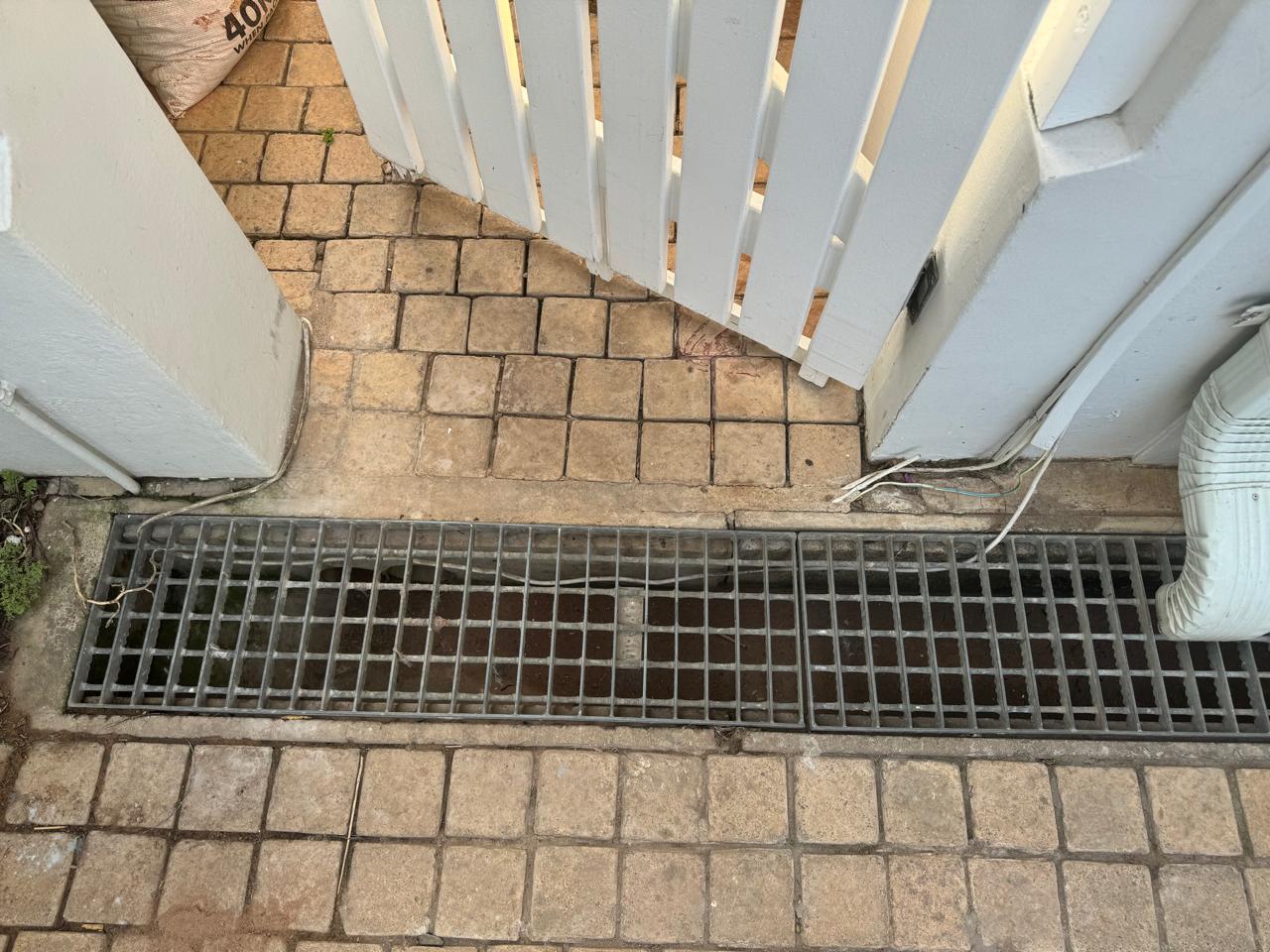
Cable routes affect security design
For CCTV and access control, cable routes shape the security system.
If there is no route to the correct gate view, the camera may be mounted in the wrong place. If there is no route to a pedestrian entrance, access control may become compromised. If outdoor routes are exposed or poorly protected, reliability may suffer.
This is why access control and CCTV should be planned together. The route is part of the security design.
Documentation completes the route
A route that nobody can understand later is only half documented.
Cable labels, rack records, drawings and handover notes help future technicians avoid guesswork. They also protect the client from unnecessary fault-finding time.
We have written separately about why a smart home needs a single technical memory. Cable routes are a major part of that memory.
Good cable planning disappears
When cable routes are planned properly, the homeowner may never think about them.
That is the point.
The Wi-Fi works where it should. Cameras are in the right places. Speakers are discreet. Displays have the inputs they need. The rack is serviceable. Future upgrades are easier. Support visits start with information, not guesswork.
DG Technologies designs networking, CCTV, multiroom audio and home automation with cable routes treated as part of the system, not an afterthought.