Cheap technology decisions usually do not feel expensive on the day the quote is approved.
They feel expensive after move-in.
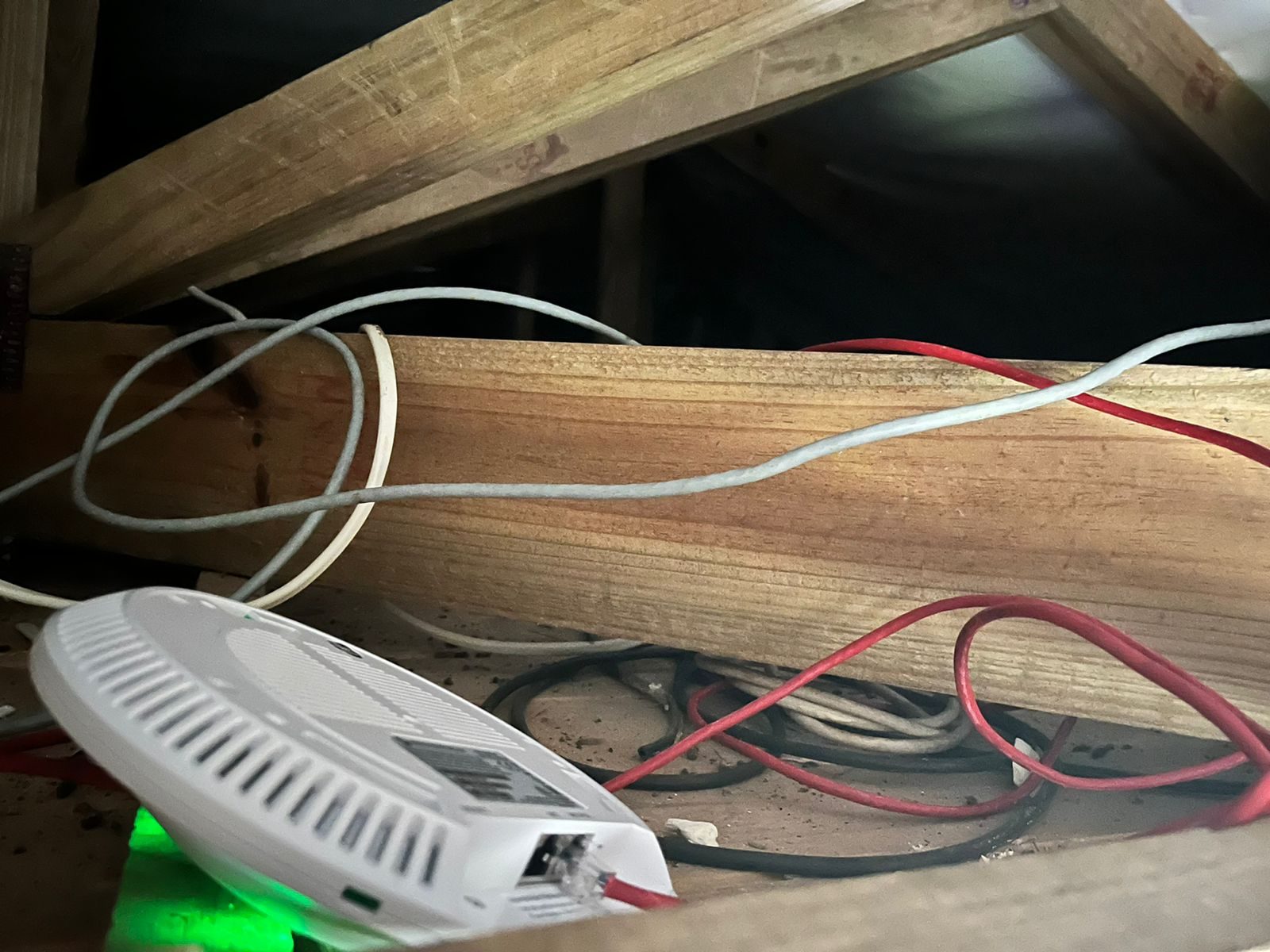
That is when the family starts using the home properly. The office Wi-Fi drops. The TV has no clean route. The CCTV app is unreliable. The rack is too hot. The router gets replaced and nobody knows the IP structure. A cabinet has to be opened up. A missing conduit becomes a visible cable.
The problem was not always the product.
Often, the problem was the decision to make the foundation too weak.
The router is not a small detail
In a connected home, the router and network are part of the control system.
Lighting processors, Wi-Fi access points, CCTV recorders, TVs, audio streamers, intercoms, remotes, solar/inverter devices and smart-home controllers all rely on IP communication.
If the router is treated as a disposable internet-provider box, the system can become fragile.
I have seen simple internet-provider changes break systems because IP reservations, port forwards, remote access and device paths were not understood.
That is why a router appears on a home automation quote.
Cheap Wi-Fi becomes expensive when ceilings are closed
Wi-Fi problems are easy to underestimate during construction.
The house is empty, the doors are not all in, furniture has not arrived, and nobody is trying to work from the study while someone streams in the lounge.
After move-in, the weak areas become obvious.
If access points were not wired from day one, fixing those weak areas may require ceiling work, surface cabling, awkward routes or compromise repeaters.
For large South African homes with concrete walls, that is a predictable risk.
See Wi-Fi for a new house: why access points should be wired from day one.
Cheap CCTV can fail when evidence is needed
CCTV is only valuable if it records useful footage when the client needs it.
A cheaper camera system may look acceptable in daylight. The real test is night performance, field of view, storage retention, recorder health, password ownership, network stability, naming and whether the client knows how to retrieve footage.
If those issues are not planned, the saving disappears when there is an incident and the footage is poor, missing, inaccessible or overwritten too soon.
Camera count is not enough.
The system must be designed.
Read why CCTV recording must be proven before the client needs footage.
Cheap TV routes create expensive walls
A TV point looks simple until the wall is finished.
If the conduit is too small, the height is wrong, the bracket clashes with the cable exit, or the source location was not planned, the fix may involve joinery, plaster, paint or visible cabling.
A cheaper first-fix decision can become a very expensive finished-wall problem.
The AV route should be chosen while it is still easy to make a clean decision.
See TV points in a new build: what the architect, electrician and AV team must agree on.
Cheap power protection can damage expensive systems
South African power conditions are hard on electronics.
Inverters and solar systems help, but they do not automatically protect sensitive AV, network and automation equipment from every power event. Cutover, voltage fluctuation and messy recovery can still create problems.
If a home has HDMI distribution, network switching, control processors, audio equipment and CCTV recorders, the protected power design matters.
Saving a small amount on the wrong UPS can put much more expensive equipment at risk.
Read why online double-conversion UPS still matters with solar and inverters.
Cheap cabinets become support problems
Equipment needs space, airflow and access.
If the rack or cabinet is too small, too hot, too shallow or built into joinery without service access, the installer may still get the system running.
The owner pays for that decision later.
Every future fault, upgrade or service visit becomes harder. Equipment runs hotter. Cable tracing takes longer. Replacements become awkward. Small changes become bigger work.
The cabinet is not just storage.
It is the service point of the system.
Cheap documentation creates expensive fault-finding
An undocumented system can work perfectly on handover day.
Years later, nobody knows what cable feeds which room, which IP address belongs to which device, which switch port powers which access point, or who owns the app accounts.
That is when support becomes slower and more expensive.
Labels, photos, drawings, IP notes and handover records are not paperwork for the sake of paperwork.
They reduce future fault-finding.
Spend less in the right places
There is nothing wrong with saving money.
In fact, a good technology plan should actively look for sensible savings.
But the saving should not weaken the backbone of the home.
Spend less where the feature will not be used.
Be careful cutting the things that make the system reliable: network, cabling, head-end, rack space, power protection, service access and documentation.
DG Technologies helps clients separate real savings from false savings before move-in turns a cheap decision into an expensive support problem.
Related reading: