Future-proofing a new home does not mean buying every device immediately.
That approach can waste money.
A better approach is to build the right foundation while the house is still open, then stage the equipment around the client’s priorities and budget.
The question is not, “What can we install everywhere today?”
The better question is:
What must the building allow for so the client has options later?
Future-proofing starts with routes
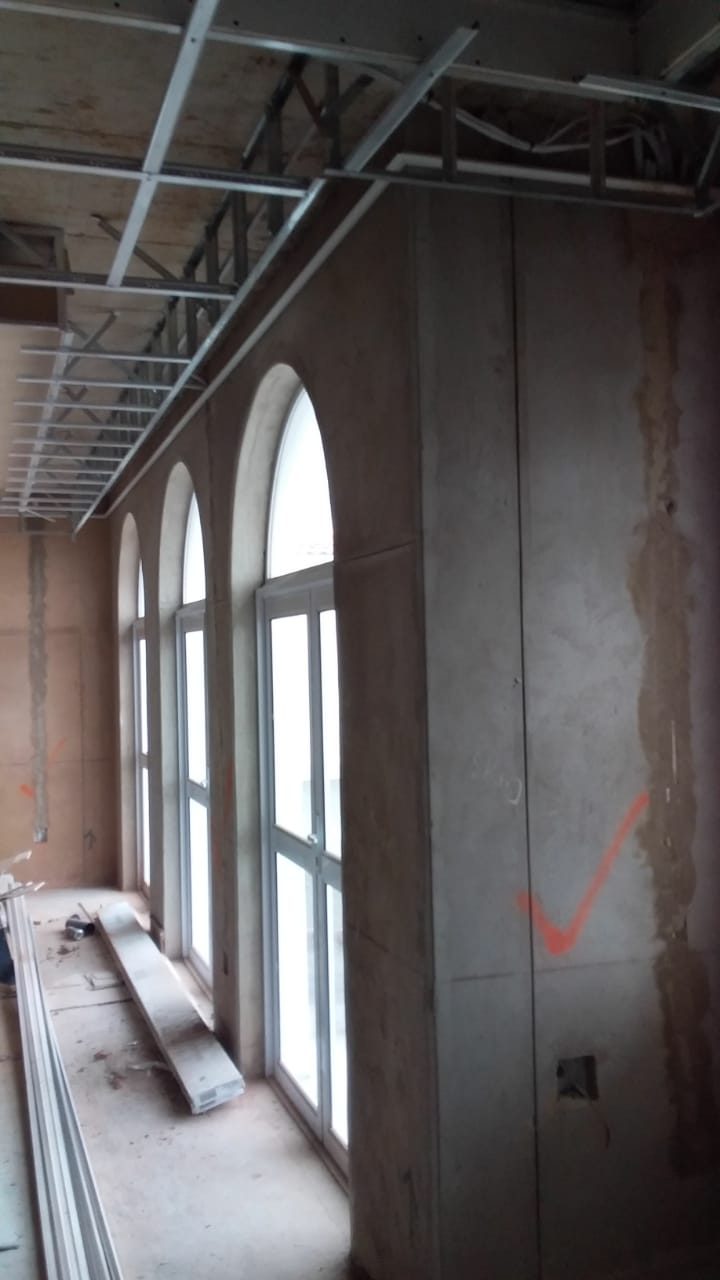
The most valuable future-proofing in a new build is often invisible.
Conduit routes, Cat6, speaker cable, fibre allowance, TV routes, camera routes, access-control routes, draw boxes and cable entry points are not glamorous. But they are much easier to install before walls, ceilings, paving and joinery are complete.
If the route exists, the future upgrade has a chance.
If the route does not exist, the future upgrade may involve cutting, chasing, lifting, repainting or visible cable.
That is why the conduit plan is the real smart home plan.
Keep the head-end generous
A future-proof home needs a head-end that can grow.
That does not mean overspending on equipment. It means allowing enough cabinet depth, rack space, cable entry, ventilation, power protection and patching for future changes.
If the rack is full on day one, the home is not future-proof.
If the cabinet is too shallow or too hot, future equipment becomes harder to support.
Good head-end planning gives the next upgrade somewhere sensible to live.
See why a new build needs a head-end room before it needs gadgets.
Wire for likely future zones
Not every room needs full equipment on day one.
But some rooms should be prepared.
Examples:
- a future outdoor audio zone;
- a future CCTV camera at a gate or boundary;
- a future TV point in a guest room;
- a future access point in a garage, office or cottage;
- future data at a study or media cabinet;
- future intercom or access-control upgrades;
- future projector or cinema cabling.
The decision should be practical, not excessive.
Future-proofing is not throwing cable everywhere without thought. It is protecting the areas where later work would be difficult or expensive.
Do not guess blindly
Future-proofing still needs design.
Spare routes should be labelled and documented. Draw boxes should remain accessible. Cable ends should be protected. Spare data should be reserved for a purpose instead of disappearing into the first unrelated request on site.
An undocumented spare is not much of a spare.
It is a mystery cable.
This is why spare data cables must be reserved and documented.
Stage expensive equipment intelligently
Once the infrastructure is in place, the client can stage equipment.
That may mean installing the core network and Wi-Fi first, then adding more audio zones later. It may mean wiring for cameras but installing only the most important ones initially. It may mean planning the cinema routes before the room becomes a full cinema.
This is a sensible way to manage budget.
It protects the building without forcing the client to buy every possible feature before they know how they will live in the home.
Future-proof for service, not only upgrades
Future-proofing is not only about adding features.
It is also about maintaining the system.
A serviceable home has:
- labelled cables;
- reachable access points;
- documented switch ports;
- accessible equipment;
- photos before ceilings close;
- cabinet keys and access rules;
- power protection;
- enough ventilation;
- clear ownership of accounts and passwords.
Those things make support easier years later.
The client may never ask for them during the build, but they matter when something has to be fixed.
Avoid false future-proofing
Some future-proofing language is just sales language.
Buying a more expensive device today does not automatically make a home future-proof. Standards change. Apps change. Streaming changes. Wi-Fi changes. Display technology changes.
The thing that survives best is the physical planning.
Good conduit, cable, rack space, power and documentation are more durable than most devices.
Build the foundation, then choose the pace
DG Technologies can help a client future-proof a new home without turning the project into an unlimited shopping list.
The practical approach is:
- define the head-end;
- plan the routes;
- protect the hard-to-reach areas;
- wire the fixed backbone;
- document the spares;
- install the equipment the client genuinely needs now;
- leave the rest ready for staged upgrades.
That is how a home can be built sensibly for today without closing the door on tomorrow.
Related reading: