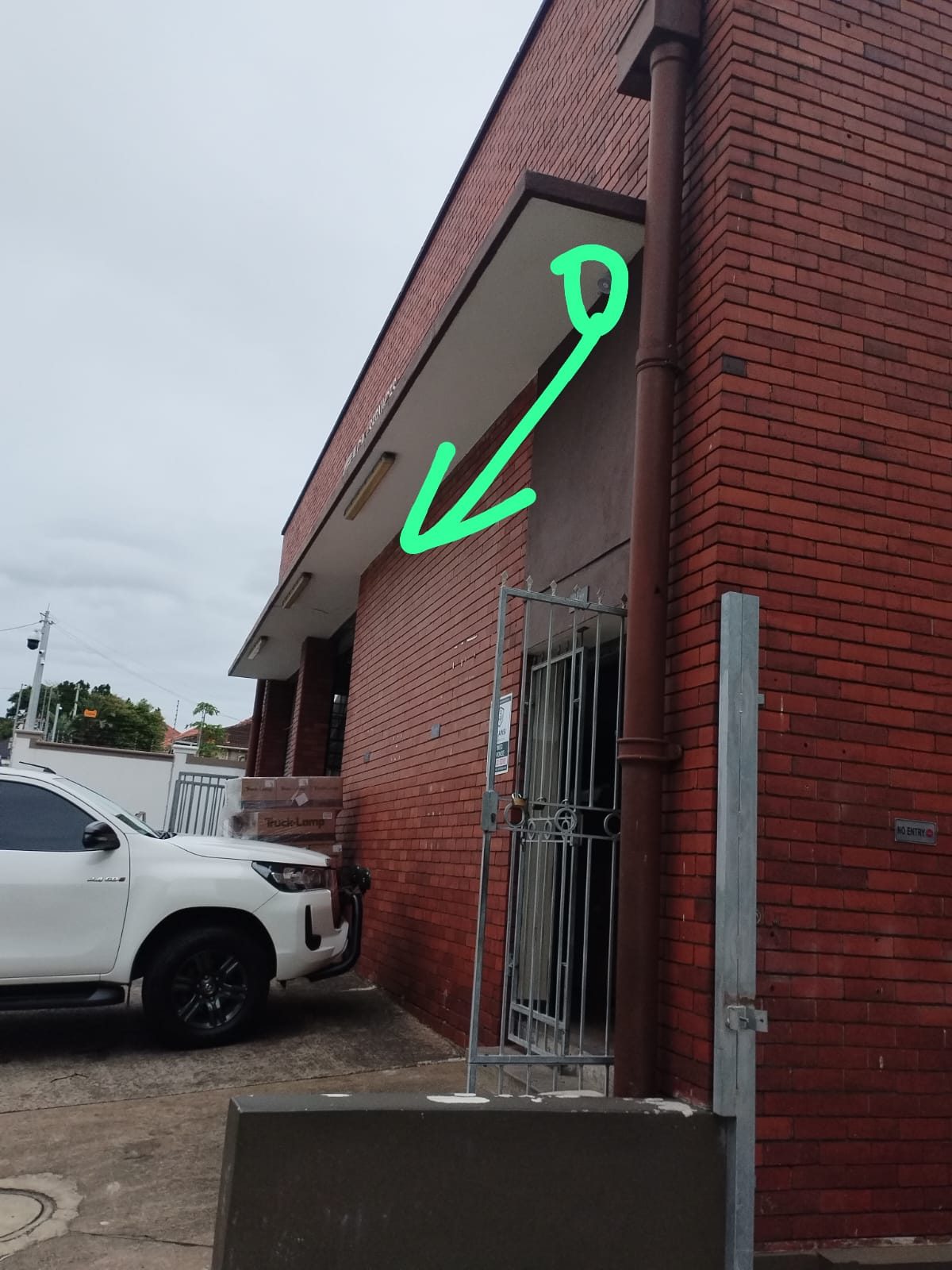
CCTV for a new build should be planned while the site still looks unfinished.
That is when the important decisions are still easy to make.
Before the paving is complete. Before the garden is planted. Before the boundary walls are painted. Before the gate equipment is boxed in. Before the driveway lights, irrigation and landscaping have taken over the same routes the security system needs.
Once the outside of the home is finished, every missed camera route becomes harder to correct.
Camera count is not the design
Many CCTV discussions start with a number.
Four cameras. Eight cameras. Sixteen cameras.
That is not a design.
The design starts with what the client needs to see.
For a new build, the CCTV plan should consider:
- vehicle approach;
- pedestrian approach;
- gate and intercom activity;
- driveway movement;
- boundary exposure;
- service entrances;
- staff and delivery access;
- outbuildings;
- pool and garden areas where appropriate;
- blind corners created by walls or landscaping;
- lighting conditions at night.
Only after those views are understood does the camera count mean anything.
A badly placed camera can record movement without producing useful evidence. A properly placed camera can show the face, vehicle, direction of travel or operational event that actually matters.
This is why camera placement matters more than camera count.
Landscaping can quietly ruin a CCTV plan
Plants grow.
Trees move in the wind.
Boundary hedges change shape.
Garden lighting creates reflections and shadows.
Irrigation, drainage, paving and retaining walls can all interfere with cable routes if the CCTV design is left too late.
On a new build, the camera positions should be reviewed before landscaping is finished. That does not mean every camera must be installed immediately. It means the routes and mounting positions should be allowed for while the site is still flexible.
If a camera will eventually watch a gate, the route to that gate should be protected. If a camera will watch a driveway, the cable path should not be buried casually under paving without thought for future repair. If a camera will be mounted on a boundary wall or pole, power, data, surge protection and service access need planning.
CCTV cable routes need protection
For professional CCTV, I prefer a structured network approach where practical: solid Cat6 from the camera position back to the recorder, head-end or a correctly designed sub-cabinet.
That makes PoE power, network management, labelling and support easier.
The route matters as much as the camera.
Good CCTV cabling should be:
- protected from weather and physical damage;
- kept serviceable where possible;
- labelled at both ends;
- routed away from likely landscaping damage;
- terminated properly;
- tested before finishes make access difficult.
Outdoor cameras also need proper cable entry and weatherproofing. A camera can be high quality and still become unreliable if the connector is exposed to water, corrosion or movement.
See why camera cable entry points need weatherproofing, not silicone later.
Gates, intercoms and CCTV should be planned together
The gate is often the busiest security point on a property.
It may involve an intercom, keypad, vehicle gate, pedestrian gate, access reader, CCTV camera, lighting, network equipment, power supply and remote-control logic.
If each trade treats the gate separately, the finished result can become untidy or unreliable.
The CCTV camera needs to see the right thing. The intercom needs network or cabling. The gate release must be practical and secure. The lighting must help visibility without blinding the camera. The route must allow for maintenance.
This is why access control and CCTV should be planned together.
The recorder location is part of the security design
The CCTV recorder should not be an afterthought.
It needs a proper location, power protection, ventilation, network connection and secure access. In a larger home or estate-style property, the recorder may sit in the head-end with the network equipment. In larger commercial-style layouts, sub-cabinets or fibre between cabinets may make sense.
The point is that the recorder location must be planned.
If it ends up in the wrong place, support becomes awkward. If it is too hot, unreliable or accessible to the wrong people, the whole CCTV system is compromised.
Night testing matters
CCTV is often tested in daylight because that is when the installer is on site.
But many important incidents happen in poor light.
A new-build CCTV plan should consider night performance from the start: camera position, infrared reflection, lighting direction, glare, shadows, garden lights and reflective surfaces.
The camera view that looks perfect at midday may not be useful at 10 pm.
For more detail, read why premium CCTV should be tested at night, not only during installation.
Plan before the outside work closes in
The cleanest CCTV work happens when the system is considered early.
That means before landscaping, before paving, before gate finishes, before boundary walls are finalised and before the electrician has finished the outdoor pipework.
DG Technologies can review the site plan, camera views, gate positions, cable routes, recorder location and network requirements as part of the broader technology plan for a new build.
The goal is not to cover the property with cameras.
The goal is to make every camera useful, serviceable and connected to the way the property is actually managed.
Related reading: