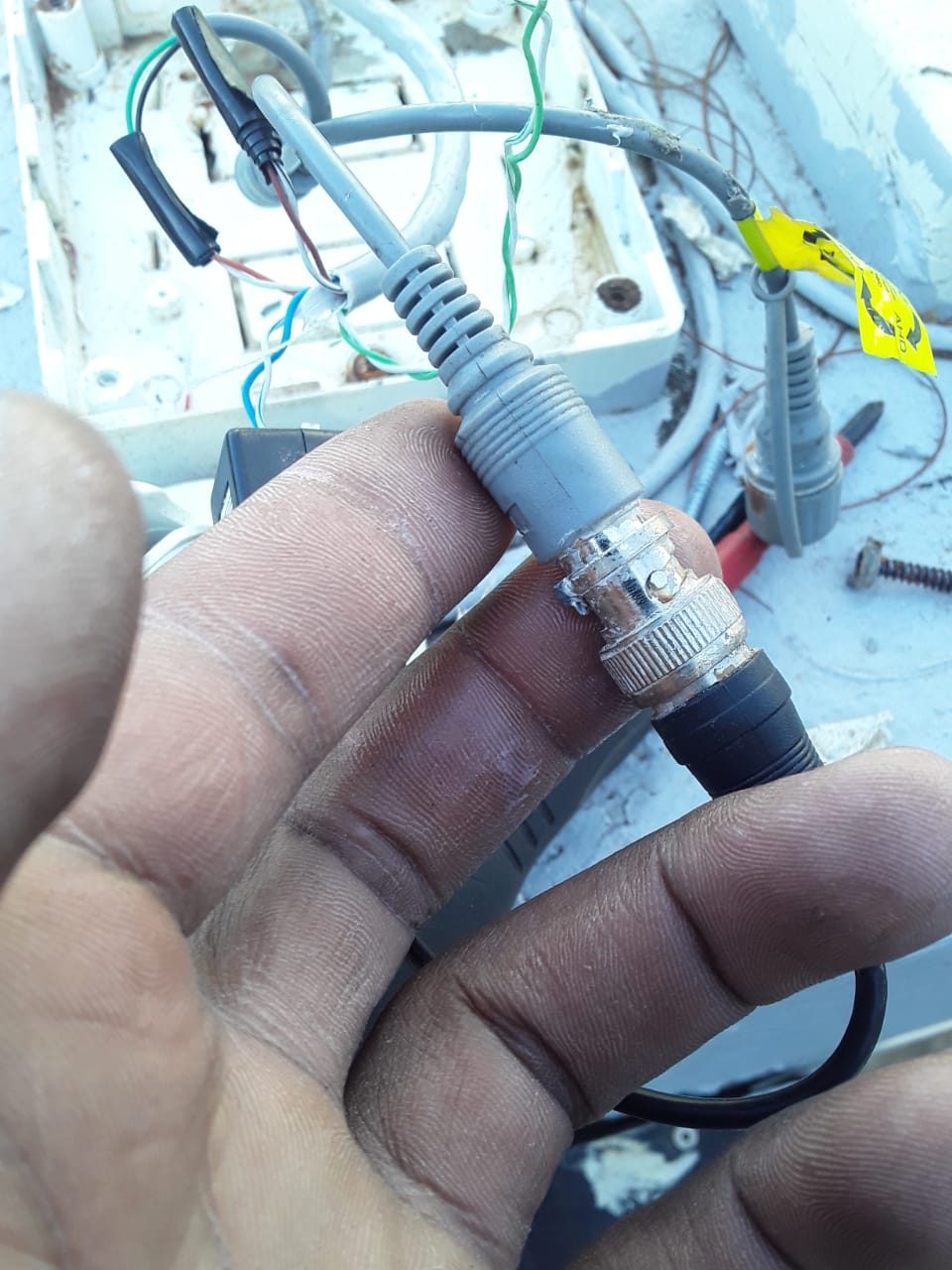
Outdoor CCTV failures often start at the cable entry.
The camera may be a good brand. The recorder may be reliable. The picture may look perfect on handover. But if the cable entry is poorly protected, water will eventually find the weak point.
Silicone after the fact is not a design.
Water follows cables
Outdoor cables are exposed to rain, wind, heat, insects, pressure cleaning and movement.
Water can track along a cable into a connector, camera base, wall penetration or junction box. Once moisture reaches the wrong place, faults may appear slowly. A camera may drop offline, flicker, fog, corrode or fail completely.
The problem often looks like a camera fault, but the cause is installation detail.
Junction boxes should be chosen properly
A proper junction box gives space for connections, strain relief and service access.
The box should suit the location. It should not trap water. It should not be positioned where it will be hit, flooded, buried behind future finishes or made impossible to open. The cable glands, entry points and mounting surface all matter.
Outdoor CCTV is not only about what is visible from the ground.
Silicone can hide bad work
Sealant has its place.
But using silicone to rescue a poor cable entry is not the same as installing correctly. If a connection is badly positioned, strained, exposed or impossible to access, sealant may only delay the fault.
It can also make future maintenance more difficult.
Serviceability matters
Outdoor cameras will eventually need cleaning, adjusting or replacing.
The installation should allow that work without destroying the wall, cutting cables or opening a sealed mess. A camera position should be secure, weather-protected and serviceable.
Those three requirements belong together.
Coastal conditions make weak details show faster
KZN coastal homes and commercial sites are hard on exterior equipment.
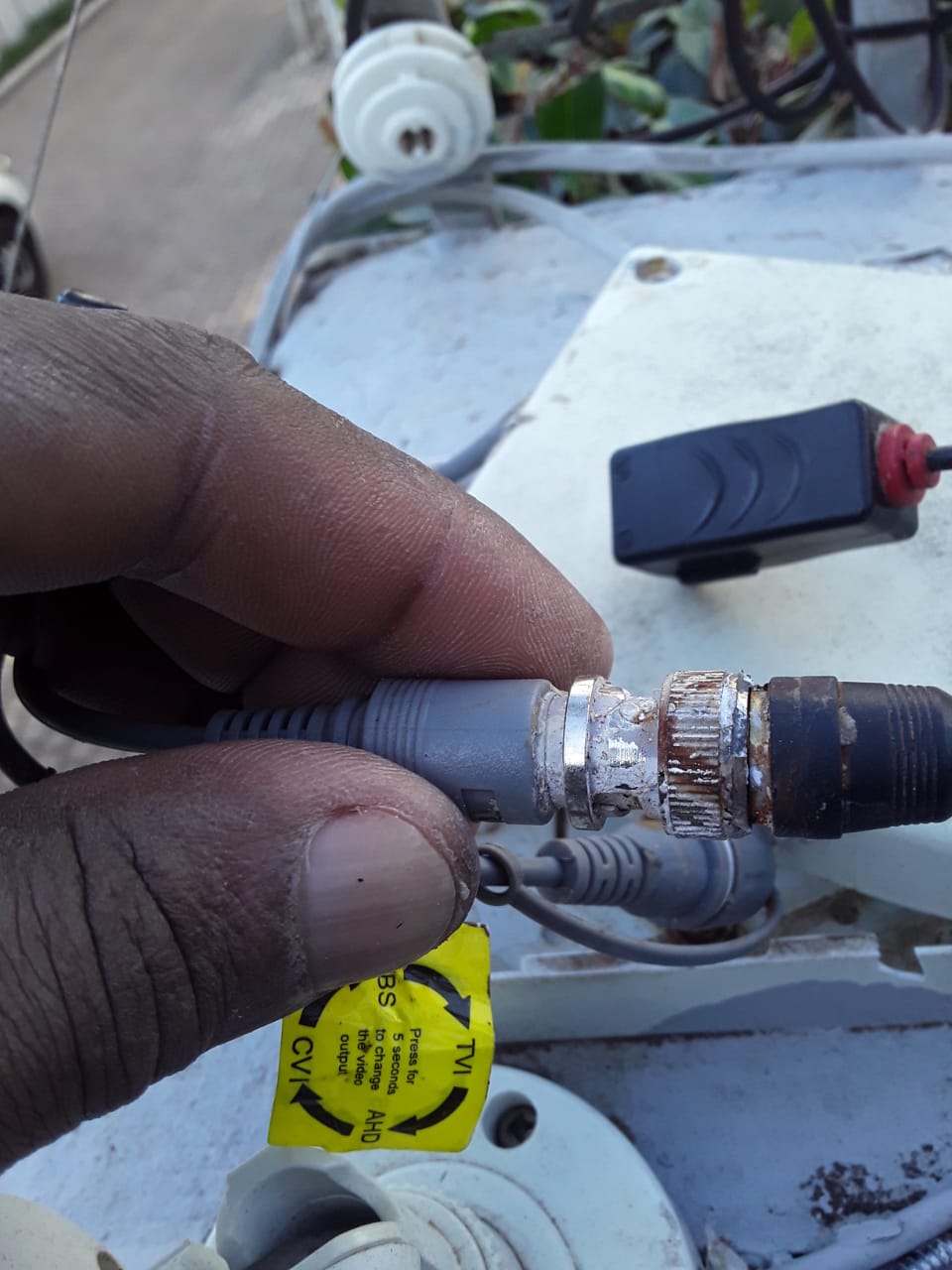
Humidity, salt air, rain, insects and heat expose poor installation detail quickly. A cable entry that might survive longer inland may fail sooner near the coast. Screws, brackets, glands, boxes and exposed connections should be chosen and fitted with that environment in mind.
Outdoor CCTV is part electrical work, part network work and part weatherproofing discipline.
A neat camera still needs a neat route
Clients often see the camera first.
Technicians see the route behind it. The cable path, junction point, connector space and access method decide whether the camera can be maintained. If the visible camera looks clean but the connection behind it is strained or exposed, the installation is not truly neat.
Good workmanship continues behind the device.
DG Technologies’ view
DG Technologies treats outdoor CCTV as a long-term installation, not a one-day camera mount.
Good weatherproofing is quiet work.
The client may never notice it when everything works, but they will definitely notice when it was not done properly.