The first technology decision in a new build is often treated as a product decision.
Which automation system? Which cameras? Which speakers? Which Wi-Fi? Which TV distribution method?
Those questions matter, but they are not the first question I want answered.
The first question is simpler:
Where does everything land?
That location is the head-end. It is the part of the home most people do not want to think about, but it quietly decides how stable, serviceable and future-proof the entire technology system will be.
If a new build does not have a proper head-end, the home may still get gadgets. It will not get a properly planned technology backbone.
The head-end is not just a cupboard
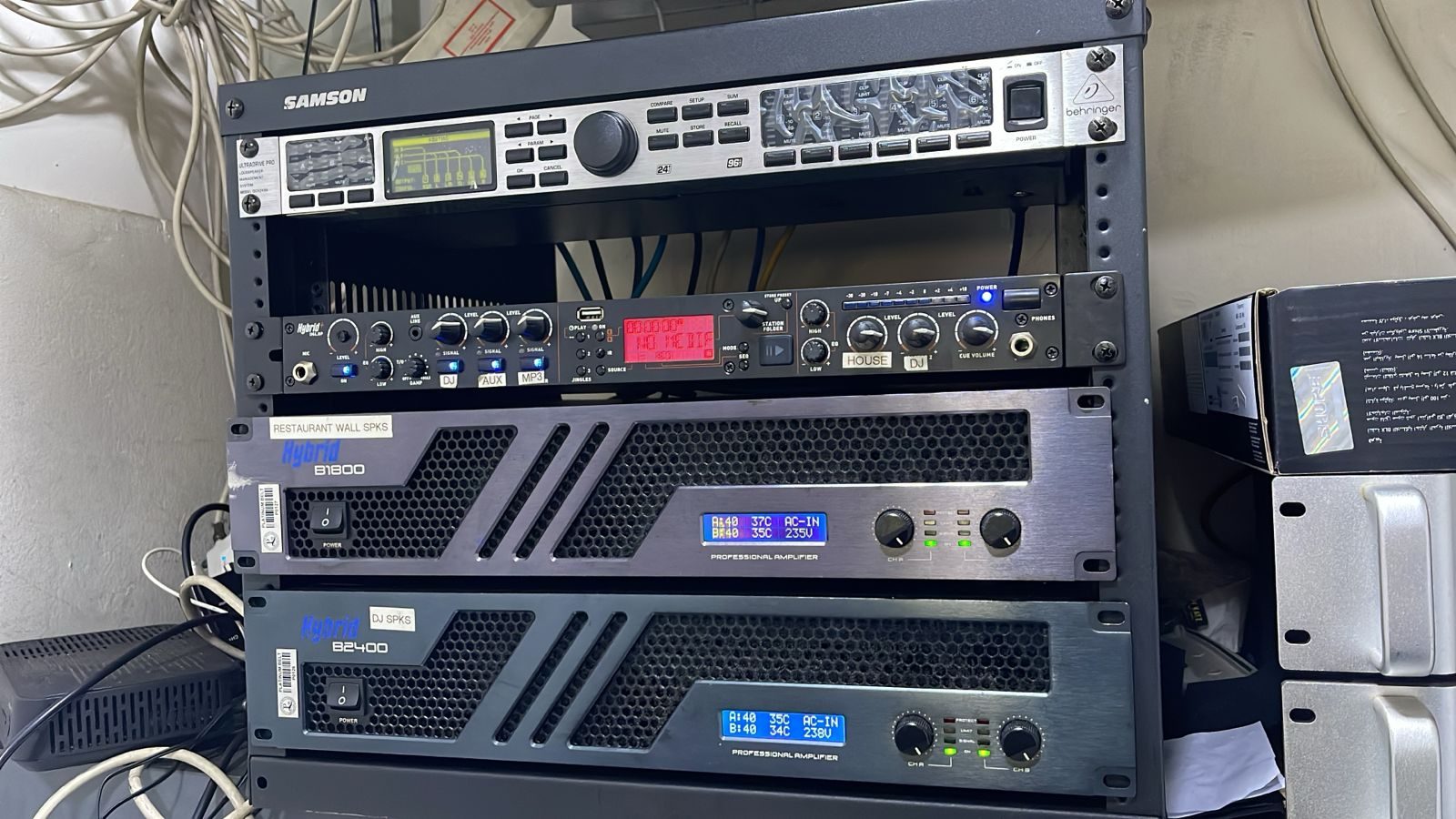
In a serious home, the head-end may hold the fibre equipment, router, network switches, patch panels, CCTV recorder, audio amplifiers, automation processor, DStv distribution, power supplies, UPS, surge protection and support documentation.
That is too important to be squeezed into whatever cupboard remains after the joinery has been designed.
A good head-end needs:
- enough width and depth for the rack or cabinet;
- enough wall or floor space for future equipment;
- clean cable entry from above, below or behind;
- suitable power;
- ventilation;
- access for a technician to work;
- a sensible route from fibre, dish, cameras, access points, TVs and speaker zones;
- protection from dust, heat, moisture and casual tampering.
This is why the head-end discussion belongs near the start of a new build, not at the end.
The fibre route should be planned before the driveway is finished
Internet is not an afterthought anymore.
If the fibre route is missed, the final connection can become untidy very quickly. The installer arrives, the house is finished, the driveway is complete, the landscaping is done, and now the fibre entry has to be made to work around finished surfaces.
For a clean installation, the fibre route should be planned from the external fibre point or manhole back to the head-end. A dedicated conduit gives the fibre installer a proper path and gives the home a cleaner long-term result.
That route should not terminate in a random corner because that is where the fibre happened to enter. It should terminate where the network belongs.
The router is part of the technology system, not a loose internet-provider accessory.
Wi-Fi, CCTV and automation all depend on the same room
Large homes do not fail because one room has a fancy keypad.
They fail because the network underneath the system is messy.
Wi-Fi access points should return to the head-end. CCTV cameras should return to the head-end or a properly designed sub-cabinet. Automation processors and lighting-control equipment need stable network and power. Audio systems need clean rack space and heat management.
When all of this lands in one planned location, the system can be labelled, protected, tested and supported.
When it is scattered through the house, support becomes detective work.
This connects directly to professional networking and Wi-Fi design and CCTV security planning.
Ventilation matters more than people think
A closed cabinet full of electronics becomes a heat box.
Heat shortens equipment life and makes faults harder to diagnose. An HDMI extender that works perfectly in the morning may start failing in a hot cabinet in the afternoon. A network switch may become unstable. A recorder may run hotter than it should.
If the head-end is designed early, ventilation can be built into the space properly.
That may mean a deeper cabinet, vented doors, extraction, open space above equipment, or simply choosing a location that is not already fighting heat from other services.
It is much easier to design this into the house than to explain it after the client has paid for beautiful joinery.
Power protection belongs at the head-end
South African homes need to recover cleanly from power changes.
Solar and inverter systems are useful, but they do not replace proper protection for sensitive electronics. The technology rack should have a protected power plan. On larger systems, that often means online double-conversion UPS protection for the equipment that cannot tolerate messy cutovers, voltage fluctuations or unstable recovery.
The head-end should allow for that equipment physically and electrically.
If the rack has no space, no ventilation and no proper power path, the UPS becomes another box on the floor instead of part of the design.
For more on this, read why online double-conversion UPS still matters with solar and inverters.
The head-end protects future changes
The best new-build technology plan does not require the client to buy every future system on day one.
It gives the client routes.
If the client wants more cameras later, spare capacity helps. If a bedroom TV becomes a proper media zone later, a sensible head-end helps. If audio expands, if an office changes, if an intercom is upgraded, if fibre equipment changes, if the router is replaced, the head-end is where the work happens.
That is the difference between future-proofing and guesswork.
Future-proofing is not buying everything now.
It is building the right foundation.
Plan the room before the gadgets
When I review a new build, I want the architect, electrician, builder and client to understand that the head-end is part of the house.
It is not a storage cupboard.
It is not a leftover space.
It is the service centre for the technology layer of the property.
Once that room is right, the rest of the design becomes easier: TV routes, access points, cameras, intercoms, speakers, DStv, fibre, cinema, lighting control and automation can all be planned around a known destination.
That is why a new build needs a head-end room before it needs gadgets.
If you are still working through drawings, this is the right time to involve DG Technologies. We can review the plans, mark the routes and help make sure the finished home has a technology backbone that can actually be supported.
Related reading: