A premium smart home is not a once-off installation.
It is a living system.
That may sound obvious, but many homeowners only discover it after something stops working. The Wi-Fi becomes unreliable. A camera disappears from the app. A gate intercom stops ringing the right phone. A streaming device changes. A touch panel feels outdated. A UPS battery fails. A lighting scene needs adjustment. A fibre router is replaced and suddenly parts of the house behave differently.
None of this means the original installation was bad.
It means the home has technology in it, and technology needs maintenance.
For large homes in Durban, Umhlanga, Ballito, Zimbali, Simbithi, Mount Edgecombe and across KZN, ongoing support is not a luxury extra. It is part of keeping the home reliable.
Handover is not the end of the system
Handover is an important moment.
The system should be tested. The owner should understand the main controls. The app should make sense. Keypads should be labelled properly. Drawings and documentation should be available. The rack should be clean enough for another technician to understand.
But real life begins after handover.
The family starts using the house. Guests arrive. Staff learn routines. The owner discovers which lighting scenes are useful and which need adjustment. The patio is used differently from the original assumption. A bedroom changes function. A new TV is installed. A fibre provider swaps equipment. Load shedding behaviour changes.
This is why good smart home support matters. The best installations are designed with ongoing ownership in mind.
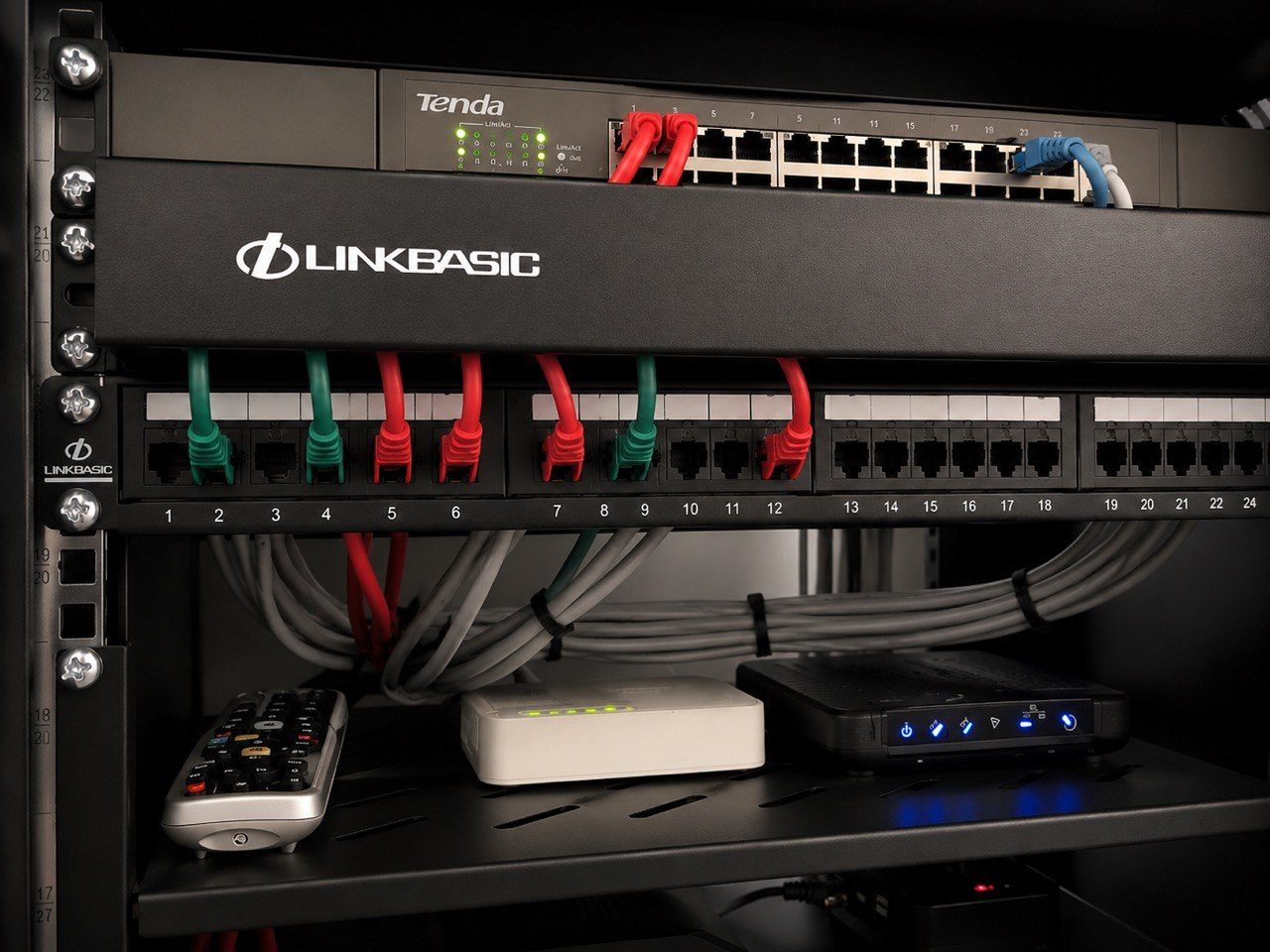
The network is usually the foundation
Most modern home technology depends on the network.
Crestron processors, touch screens, streaming audio, CCTV recorders, Wi-Fi access points, intercoms, TVs, media players, mobile apps, remote access tools and support systems all depend on stable connectivity.
If the network is weak, the smart home feels weak.
That is why a premium home should not treat networking as an afterthought. It needs proper switching, access point placement, rack layout, cable labelling, UPS planning and remote visibility where appropriate.
We have written separately about why premium Wi-Fi is not about signal bars. The same principle applies to maintenance. A system can show strong signal and still suffer from poor roaming, interference, bad switching, weak backhaul or unmanaged changes.
Proper network infrastructure gives the support team something stable to work from.
CCTV needs checking before the footage is needed
CCTV problems are often discovered too late.
The homeowner only checks playback after an incident. That is the worst time to discover that a camera has been offline, the recorder has stopped, the hard drive is full, remote viewing is broken, time settings are wrong or the camera angle was bumped during maintenance.
This is why CCTV should be maintained.
Camera views should be checked. Remote viewing should be confirmed. Recording should be tested. Storage should be monitored. Firmware and passwords should be managed carefully. Notifications should be useful, not noisy. The owner should know that when footage is needed, the system is likely to have it.
For estate homes and holiday homes, this becomes even more important. If the owner is not always on site, CCTV is part of their awareness of the property.
Lighting scenes improve after people live with them
Lighting scenes are not always perfect on day one.
They can be close. They can be carefully designed. But a family often needs to live in the home for a while before the final preferences become clear.
Maybe the evening scene is slightly too bright. Maybe the patio scene needs more garden lighting. Maybe the goodnight scene should leave a passage light at a lower level. Maybe staff need a simpler morning mode. Maybe a guest suite needs less control, not more.
These are not failures. They are refinements.
Good maintenance and support allow lighting control to mature with the home. The system becomes better because the homeowner’s real use informs the final adjustments.
Equipment ages at different speeds
Not all equipment in a smart home ages the same way.
Speakers and amplifiers may last many years. Network switches, routers, access points, streaming devices and batteries may need attention sooner. Touch panels and mobile apps may be affected by software expectations. CCTV storage may need replacement. UPS batteries definitely have a service life.
A sensible maintenance plan does not replace everything blindly.
It watches the system and separates urgent issues from planned upgrades. It helps the owner avoid surprise failures and avoid unnecessary spending.
That fits the DG Technologies approach: keep what still has value, replace what genuinely needs replacing, and document the system so future decisions are easier.
Support protects the original investment
A premium smart home costs real money.
The best way to protect that investment is not to ignore the system until something breaks. It is to maintain the important parts, keep documentation current, check critical functions and respond early when small issues appear.
This is especially true for holiday homes, large estates and homes where the owner relies on technology for security, entertainment, lighting and daily convenience.
We covered the remote side of this in why holiday homes in KZN need remote support designed from day one. The same thinking applies to permanent residences: support should be part of the design, not an afterthought.
A smart home should work when people need it most.
On a Friday night. During a family gathering. When guests arrive. When the owner is away. When security footage matters. When the Wi-Fi has to hold up. When the lights need to behave simply.
That reliability does not happen by accident.
It comes from good design, clean installation and proper maintenance after handover.