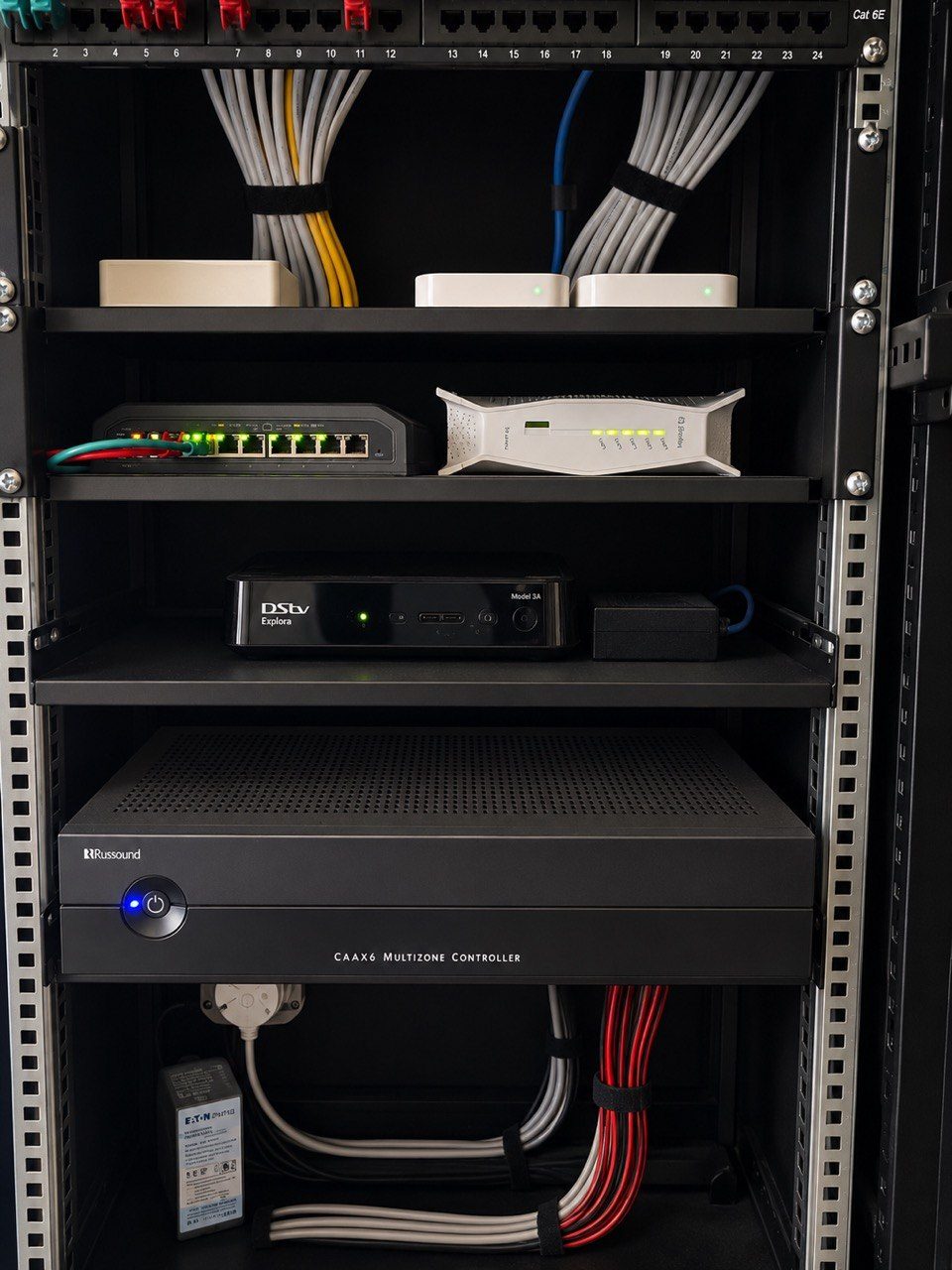
Premium smart homes should not only be fixed when something breaks.
They should be reviewed.
A maintenance calendar is one of the simplest ways to keep a home reliable, current and supportable. It helps catch small issues before they become disruptive, especially in homes with automation, CCTV, Wi-Fi, audio, lighting control, access control and remote support.
The more the home depends on technology, the more important this becomes.
Smart homes change even when the house does not
A home can look exactly the same while the technology around it changes constantly.
Phones update. Apps update. Streaming services change. Fibre routers are replaced. Wi-Fi devices multiply. CCTV firmware changes. Power conditions affect equipment. Staff members change. Guest needs change. The owner may renovate one room or add one camera and unintentionally affect the rest of the system.
Without periodic review, these changes accumulate quietly.
Then the first obvious problem feels sudden, even though the causes may have been building for months.
What should be checked?
A maintenance visit does not need to be dramatic.
It should be practical.
Depending on the home, it may include checking:
- network health,
- Wi-Fi access points,
- router and switch condition,
- rack temperature and ventilation,
- CCTV recording and playback,
- remote viewing,
- app access,
- Crestron Home status,
- lighting-control behaviour,
- audio zones,
- power recovery,
- backup equipment,
- firmware status,
- documentation updates,
- and any changes made by other contractors.
The goal is to understand the system before the client is forced to report a failure.
CCTV maintenance matters
Cameras can appear online but still not be useful.
Lenses can become dirty. Views can be blocked by plants, furniture or building changes. Recording may not be configured as expected. Time settings may drift. Storage may need review. Remote access may change after router or fibre updates.
A proper CCTV system should be checked for evidence value, not only whether each camera produces a picture.
This connects to our article on why camera placement matters more than camera count.
Network maintenance protects everything else
The network is the foundation of modern home technology.
If it becomes unstable, many systems appear faulty at once. Wi-Fi, cameras, control apps, streaming audio, remote support and smart-home processors can all be affected.
That is why smart-home fault finding often starts with the network. A maintenance calendar helps find network issues before the client experiences them as daily frustration.
Maintenance protects documentation too
Documentation can go stale.
If equipment is replaced, cables are moved, passwords change, cameras are added or a room is renovated, the technical record should be updated. Otherwise, the home slowly loses its memory.
We covered this in why a smart home needs a single technical memory. Maintenance is one of the ways that memory stays accurate.
Scheduled support feels calmer
Emergency support has its place.
But it is not the best way to care for a premium home.
Scheduled maintenance is calmer. It allows the client and support team to review changes, plan upgrades, check weak points and make sensible decisions before there is pressure.
For homes in Durban, Umhlanga, Mount Edgecombe, Zimbali, Simbithi and across KZN, DG Technologies offers support for smart-home, AV, CCTV and network systems that need long-term care.
Because the best support issue is often the one prevented before the client notices it.