One of the easiest ways to create confusion on a premium residential project is to bury the AV and smart-home scope inside the general electrical budget.
It may look simpler at the beginning. One electrical package. One number. One contractor. But smart-home infrastructure is not only electrical work. It includes design decisions, network architecture, AV signal paths, CCTV storage, Wi-Fi coverage, lighting-control logic, rack planning, equipment selection, software configuration, commissioning, documentation and long-term support.
Those items need their own budget conversation.
This does not mean the electrician is unimportant. The electrician is critical. A good electrical contractor is one of the most important trades on a smart-home project. But the electrical contractor and the technology integrator are solving different problems.
When those scopes are blurred, the client often ends up comparing the wrong things.
Electrical work and AV work overlap, but they are not the same
The electrical contractor may install conduit, boxes, power, DBs, lighting circuits and cable routes. The AV and smart-home contractor defines what those routes need to support and then installs, configures and commissions the technology systems.
Those systems may include:
- network infrastructure,
- Wi-Fi access points,
- CCTV cameras and NVRs,
- access control,
- intercoms,
- multiroom audio,
- cinema rooms,
- TV distribution,
- Crestron Home control,
- lighting-control integration,
- remote support,
- rack design,
- labelling and documentation.
The electrician and AV contractor should work together, but the AV design should not disappear into a line item called “electrical extras”.
Cheap conduit can become expensive later
During construction, conduit may look like a small cost.
But the conduit is what decides whether the home can be upgraded, serviced and supported later. Wrong conduit size, missing draw boxes, no draw wire, inaccessible routes or poor head-end planning can create problems long after the electrical first-fix invoice is forgotten.
If the AV budget is not separated, the project may under-allow for the hidden infrastructure because it is treated as “just piping”.
That is a mistake.
A 32 mm conduit to a TV point, a 20 mm route to a Wi-Fi access point, a fibre route to the head-end, draw boxes, spare conduits and proper cabinet space are not glamorous purchases. But they can save the homeowner from cutting finished ceilings, joinery, paving or walls later.
Our low-voltage first-fix requirements for architects explains these allowances in more detail.
Equipment is only part of the cost
A smart-home quote should not be judged only by the equipment list.
The equipment matters, but the real value is in the decisions:
- what to wire,
- where to place equipment,
- where not to spend money,
- what to keep local,
- what to centralise,
- how to support the system,
- how to document it,
- how to make the controls simple.
Two quotes can both mention cameras, access points and audio, but the final result can be completely different depending on the design and commissioning.
This is why DG Technologies prefers explaining decisions, not just listing hardware. A good system is not built by buying the most expensive equipment. It is built by choosing the right approach for the home.
Lighting control needs both electrical and control thinking
Lighting control is a perfect example of scope overlap.
The electrician understands loads, circuits, DBs, switching and installation. The automation specialist understands scenes, keypads, control processors, LED compatibility, relay versus dimmer decisions, user interfaces and how the client will actually live with the system.
If the lighting-control budget is hidden inside electrical work, the project may not properly allow for:
- keypad positions,
- circuit grouping,
- relay or dimmer selection,
- control modules,
- programming,
- scene design,
- app control,
- power recovery,
- documentation.
The electrical work makes the system possible. The control design makes it useful.
For more on this, read why lighting control design starts with circuits, not keypads.
Networking should not be an afterthought
Modern homes depend on the network.
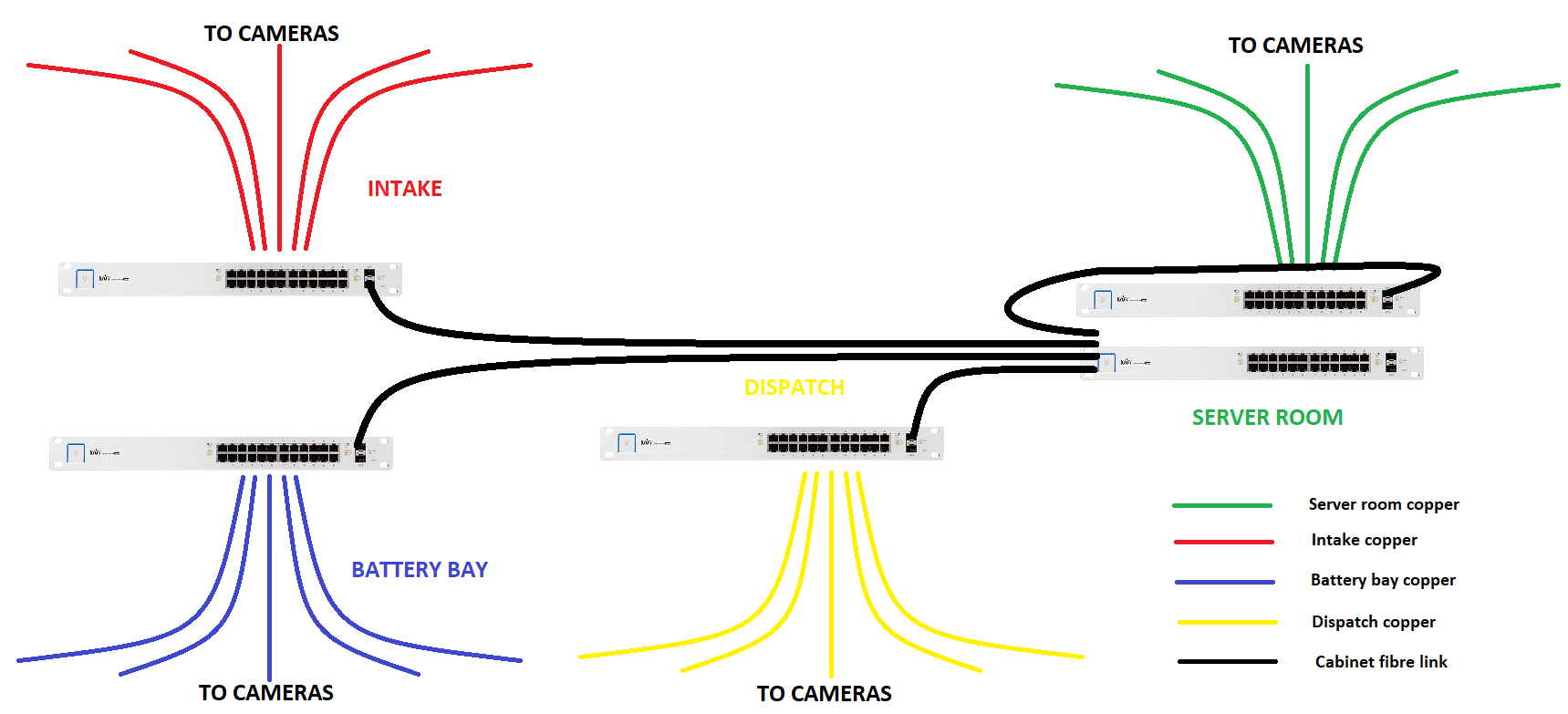
Wi-Fi, CCTV, Crestron Home, mobile app control, streaming audio, TVs, intercoms, remote support and sometimes gate systems all depend on the network behaving properly.
If the network budget is not separated, the client may end up with a basic router, a few poorly placed access points and no real design. That may be acceptable in a simple home. It is usually not acceptable in a premium estate home or large coastal property.
A proper network needs:
- head-end planning,
- fibre location,
- router/firewall,
- switches,
- PoE budget,
- access point placement,
- guest network planning,
- CCTV network consideration,
- documentation,
- support access.
That is specialist design, not a leftover item.
Separate budgets make better decisions possible
Separating the AV budget does not mean spending more for the sake of it.
It means the client can see what they are actually buying. It allows proper decisions around phases, priorities and future provision.
For example:
- install conduit now, equipment later,
- wire for future cameras but fit only key cameras initially,
- provide access point routes before ceilings close,
- prepare a cinema room before buying final equipment,
- allocate rack space before joinery is finished,
- choose Crestron Home where integration matters,
- avoid unnecessary hardware where the client will not benefit.
That is difficult to do when the technology scope is buried inside another trade’s number.
The best projects coordinate, not compete
The point is not to separate AV from electrical so the trades compete.
The point is to make responsibilities clear. The electrician, builder, architect, interior designer and AV integrator should coordinate early, with each person responsible for the part they are best suited to deliver.
When that happens, the project is cleaner. The budget is clearer. The homeowner gets better advice. The builder gets fewer surprises. The technology can be supported properly after handover.
DG Technologies works with project teams from early specification through first fix, second fix, commissioning and support. For premium residential projects, start with our builder and architect coordination page or our home automation planning page.