Many low-voltage problems start before the AV installer arrives.
The pipe is too small. The route has too many bends. The draw wire is missing. The cabinet position changed. The ceiling team wants to close. The electrician has not been given the latest drawing. The builder assumes the AV team can “make a plan” later.
Sometimes they can.
Often the client pays for that assumption.
Pipework is the hidden foundation
Smart-home systems, CCTV, Wi-Fi, audio, TV distribution and intercoms depend on cable routes.
Those routes are usually created by pipework or containment installed early in the project. If that work is wrong, every later stage becomes harder.
The installer can fit excellent equipment and still be limited by bad routes.
A short meeting prevents long delays
Before pipework starts, the electrician and AV installer should confirm:
- head-end location,
- TV conduit sizes,
- access point routes,
- CCTV routes,
- speaker routes,
- fibre path,
- dish path,
- cabinet depth,
- ceiling access,
- draw boxes,
- draw wire,
- service loops,
- who supplies what.
This is not a complicated meeting.
It is a practical one.
Drawings must match site reality
Drawings are essential, but sites change.
Cabinets move. Bulkheads change. Ceiling designs are updated. Joinery grows. Staircases shift. Interior design decisions affect wall plates and speaker positions. If the AV drawings and electrical drawings are not kept aligned, the team on site may pull cable to the wrong place.
Good communication catches those changes before they become faults.
The AV team should not inherit every problem
When low-voltage pipework is incomplete, the AV team often becomes the last trade trying to rescue the route.
That may mean opening ceilings, drilling, surface trunking, rerouting through roof spaces, asking for extra access or telling the client that the clean finish they expected is no longer possible.
This is avoidable.
The AV installer should be involved before the routes are committed.
Coordination protects the finish
Premium homes are less forgiving.
Nobody wants unnecessary trunking, visible repairs, off-centre speakers, awkward access points, cables squeezed behind stonework or extra holes cut into finished ceilings.
The earlier the coordination happens, the cleaner the finished home can be.
DG Technologies’ view
DG Technologies prefers to solve problems before they are built into the house.
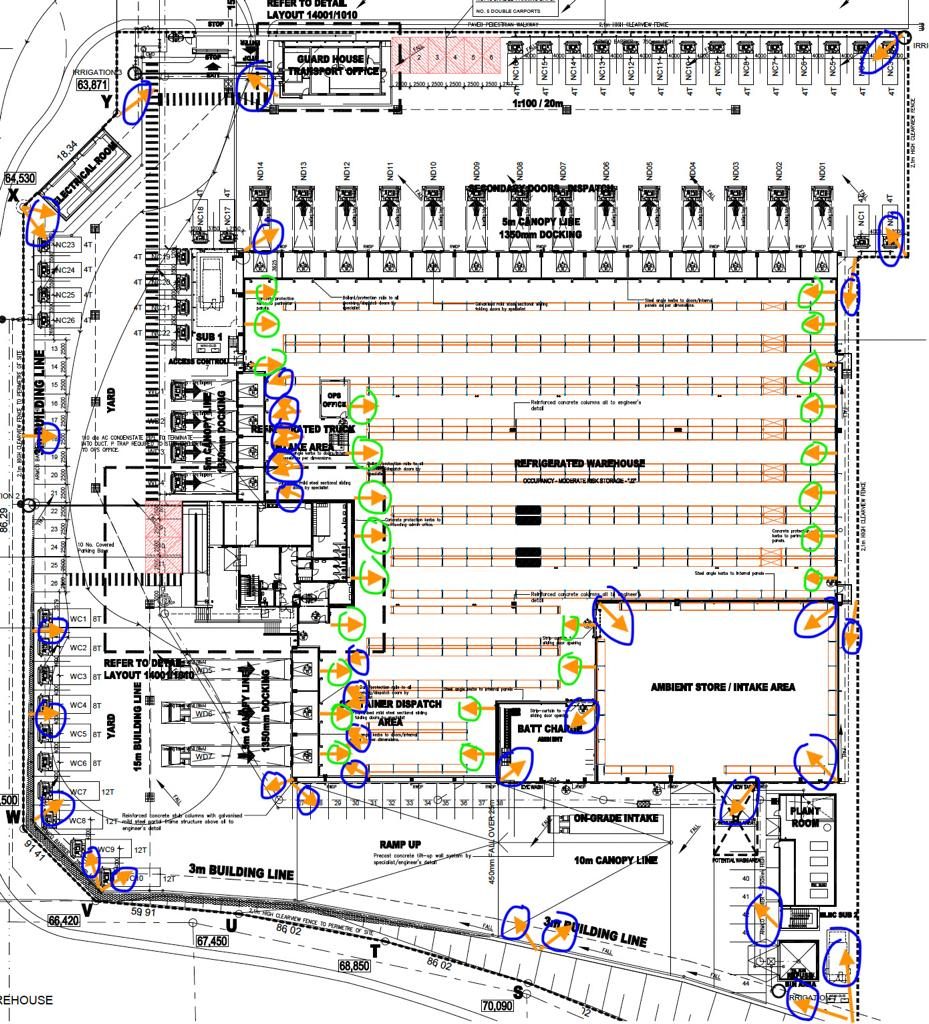
That means speaking to electricians, builders and architects early. It means marking drawings, confirming conduit, checking cabinet locations and making sure the hidden routes support the visible result.
The best low-voltage installation is not the one that survives the most chaos.
It is the one planned early enough to avoid it.