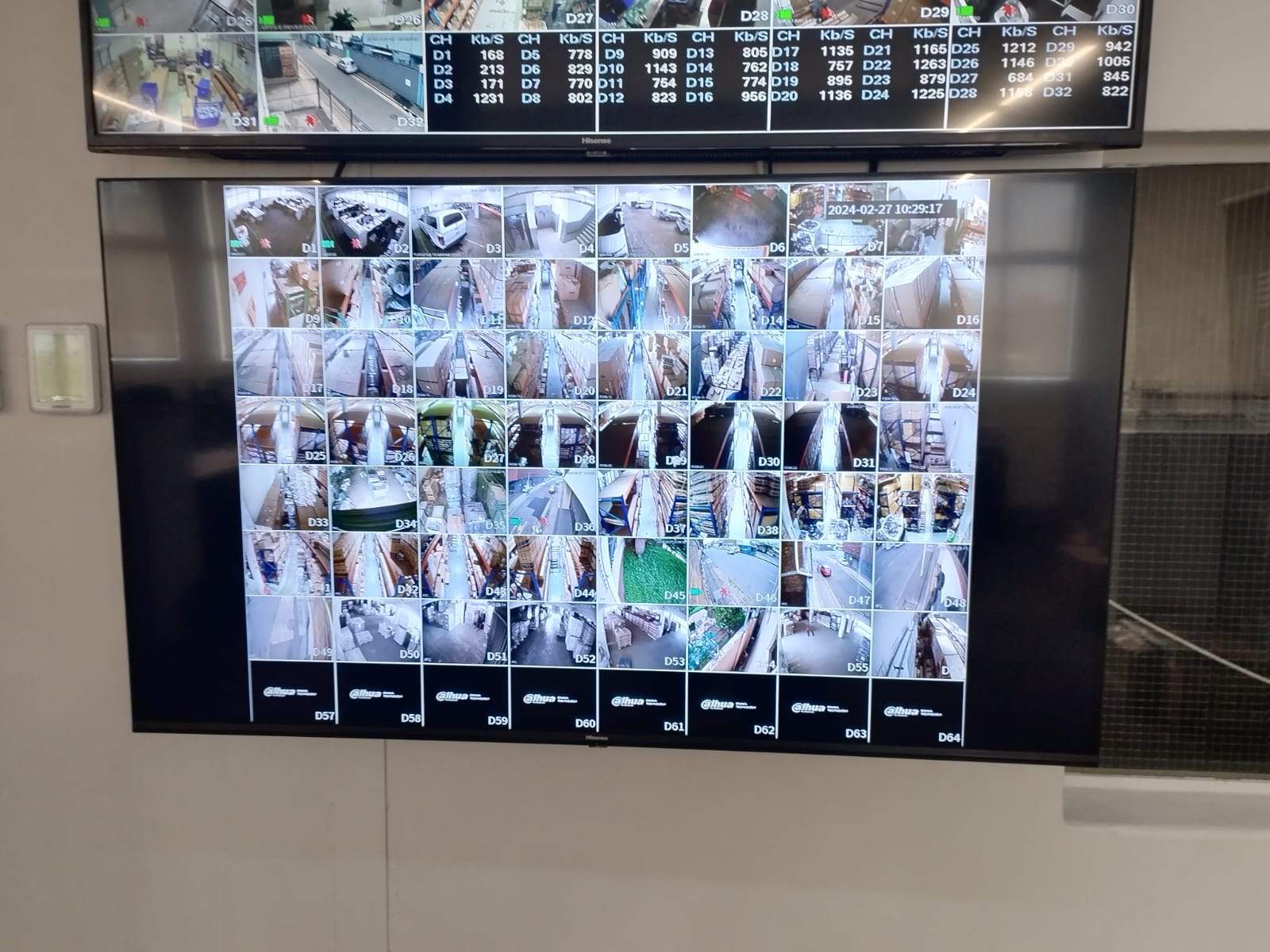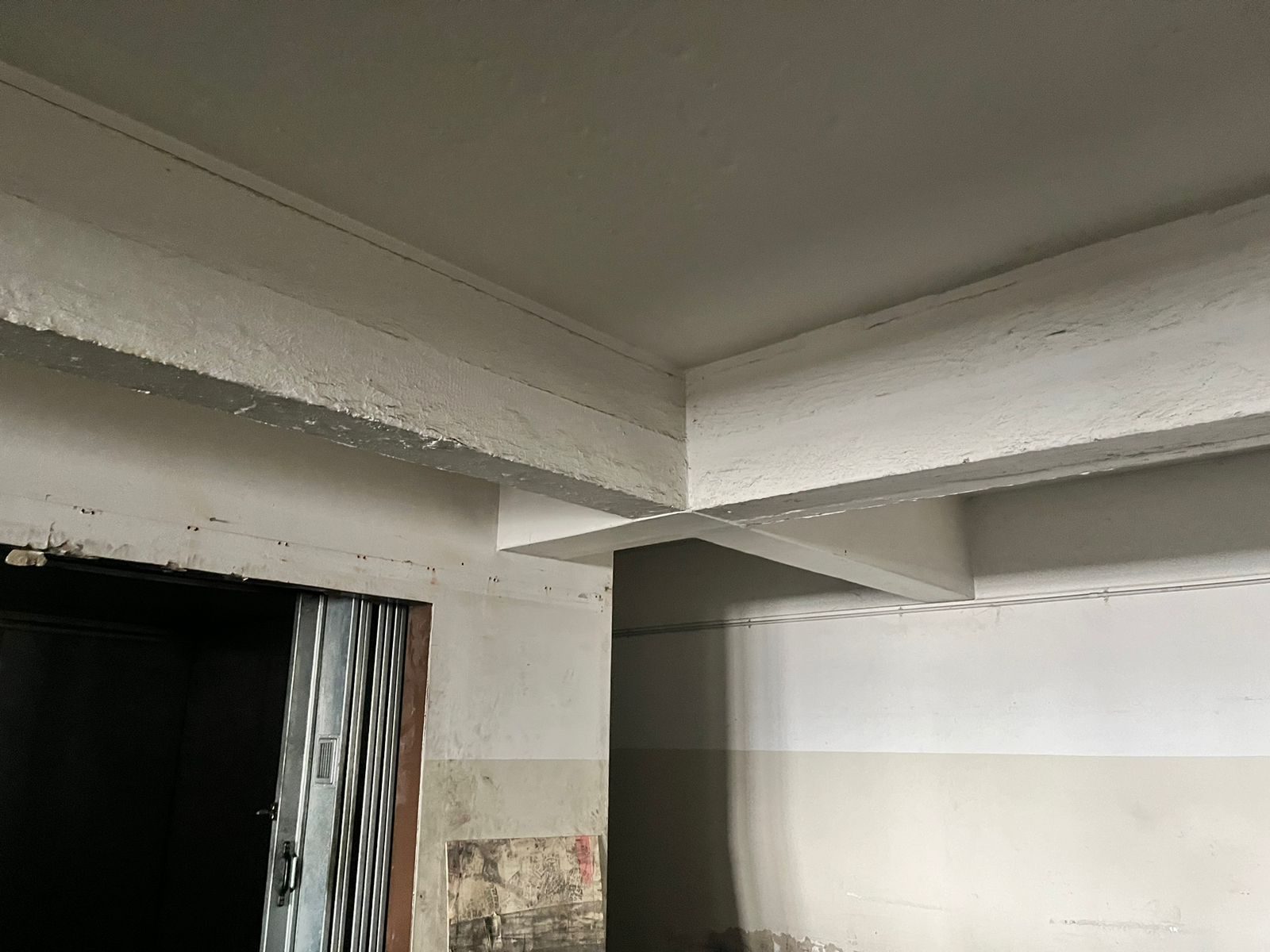
Retrofit CCTV is harder than new-build CCTV.
In a new building, routes can be planned before ceilings close, walls are finished and services are boxed in.
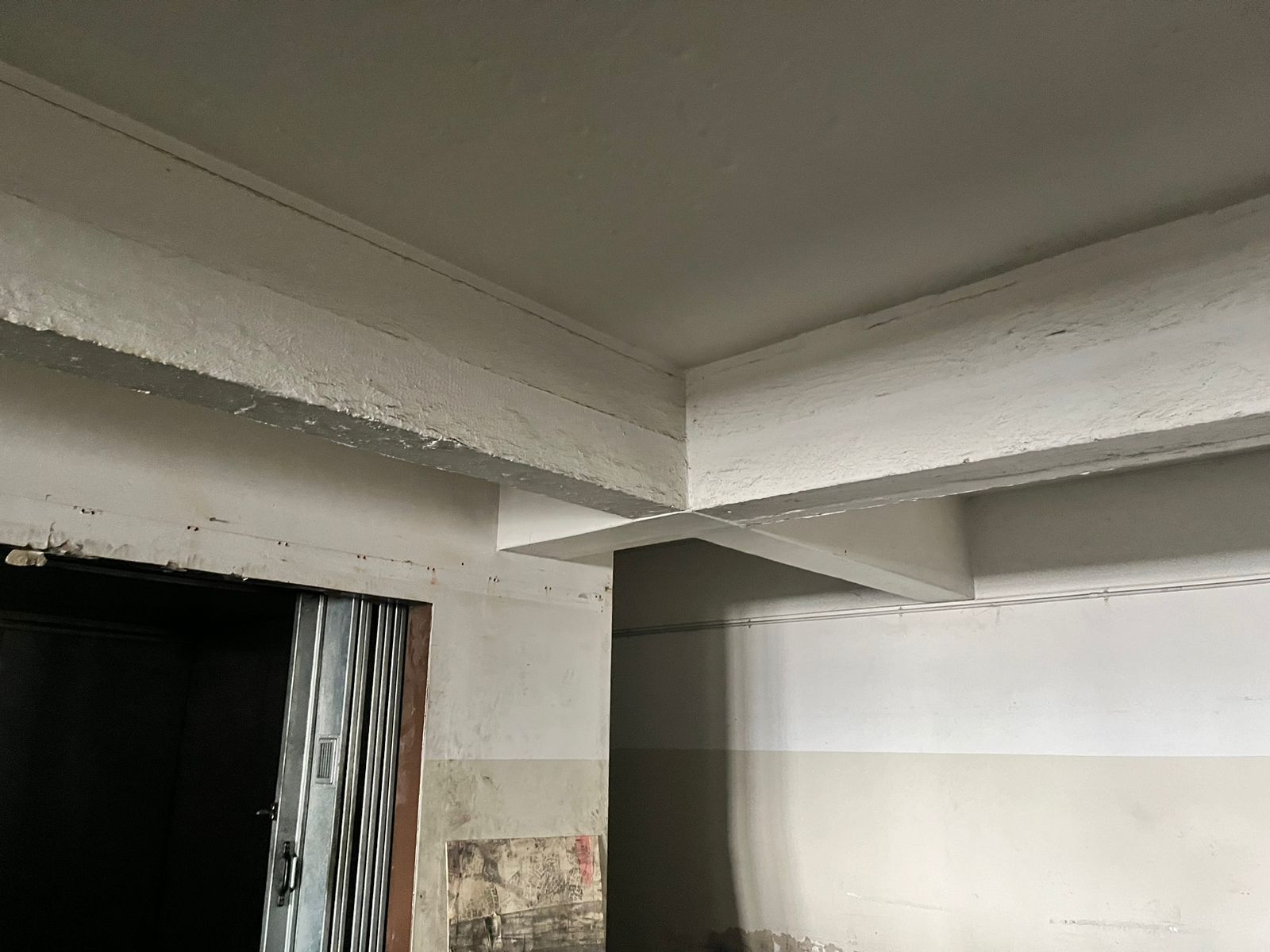
In an existing commercial building, the installer has to work with what is already there: concrete beams, old conduits, high shelves, existing electrical routes, tenant operations, stock movement, offices, ceilings, access restrictions and areas that cannot simply be shut down.
That is why a retrofit CCTV project should start with cabling.
Not cameras.
The camera position is only useful if the cable route works
A camera may be perfect on a drawing and impossible to cable cleanly.
That does not mean the camera should be abandoned. It means the route needs to be thought through properly.
On commercial sites, cable routes may need to pass around beams, follow cable tray, enter cabinets safely, avoid busy working areas and remain accessible for future service.
If the route is guessed on the day, the finished installation can become messy, fragile or difficult to maintain.
Cable tray and conduit are not cosmetic
Clients often notice the cameras.
Technicians notice the routes.
A professional retrofit should consider whether the site needs conduit, cable tray, draw boxes, saddles, brackets, trunking, cabinet entries or protective sleeves.
Those details protect the system from:
- cable damage,
- future building work,
- staff movement,
- cleaning,
- stock handling,
- forklifts,
- accidental pulling,
- water ingress,
- difficult fault finding.
Good containment is not there to make the invoice look technical. It is there because the building will keep changing after the CCTV team leaves.
Existing buildings hide old decisions
Retrofit work often exposes earlier choices.
Old cables may be unlabelled. Previous camera routes may be unusable. Existing conduits may be full. Cabinets may be too small. Power may be in the wrong place. Ceiling spaces may be blocked by other services.
That is why site inspection matters.
A proper CCTV installer should be willing to say:
“We need to check the route before promising that camera position.”
That answer may sound slower, but it is more honest.
Business operations still have to continue
Commercial CCTV is often installed while the business is operating.
That changes the work.
The team may need to coordinate access, avoid peak trading or dispatch times, protect stock, work around staff, keep existing systems running and return after hours for specific cutovers.
The cost and schedule should reflect that reality.
Cheap CCTV quotes often ignore the difficulty of working in a live building.
Cabinets decide whether expansion is painful
A retrofit CCTV project should not only think about today’s cameras.
It should ask where future cameras will land.
If a remote section of the building may need expansion later, a local cabinet with PoE switching and a proper uplink may be smarter than dragging every cable back to the main recorder location.
That is where fibre between CCTV cabinets can become important.
The goal is not to overbuild the site. The goal is to avoid painting the client into a corner.
The handover should include the route logic
When CCTV is retrofitted, documentation matters.
The client should not only know how to view footage. The support team should know:
- where cameras are routed,
- which cabinet they return to,
- which switch powers them,
- where cable tray or conduit runs,
- which routes are difficult to access,
- where future expansion is practical.
That information saves time later.
It also protects the client if another contractor opens a ceiling months or years later.
The DG Technologies view
DG Technologies treats retrofit CCTV as infrastructure work.
Camera quality matters, but camera quality cannot compensate for poor routes, weak switching, hidden cabinets or undocumented cabling.
For Durban and KZN businesses, the strongest CCTV systems usually come from planning the physical path first, then choosing the camera position, recorder and viewing method around that reality.
Good retrofit work is not just about getting cameras online.
It is about leaving behind a system that can be serviced.