When a business asks how much CCTV installation costs, the honest answer is that the camera count is only one part of the price.
A commercial CCTV quote should not be judged only by the number of cameras on the page.
It should be judged by whether the system will record reliably, show the correct views, survive day-to-day business conditions and be supportable when something goes wrong.
That is why two CCTV quotations can look similar and still be completely different.
Cameras are only the visible part
The camera is what the client sees.
Behind that camera there may be:
- a PoE switch,
- a cable route,
- conduit or cable tray,
- a cabinet,
- a patch panel,
- fibre,
- a recorder,
- storage drives,
- a viewing monitor,
- an app account,
- network settings,
- power protection,
- labels and documentation.
If those items are missing from the discussion, the price may look attractive but the system may be incomplete.
A proper quote explains the job each camera must do
Some cameras provide general awareness.
Some cameras identify faces.
Some cameras watch loading bays, dispatch areas, stock movement, parking areas, office doors or cash handling points.
Those are not the same design problem.
A low-cost wide camera may show that something happened without showing enough detail to help later. A better camera in the right position may be more valuable than three cameras installed casually.
Professional CCTV installation starts by asking what the footage needs to prove.
NVR and storage planning affect the price
The recorder is the memory of the system.
For a business, storage is not a small detail. The system may need footage available for several days or weeks. That depends on camera count, resolution, bit rate, compression, frame rate and recording schedule.
If a quote says “NVR and hard drive” but does not explain what retention to expect, the client has not really been told what they are buying.
DG Technologies designs CCTV storage around the site and the risk, not only around a product bundle.
Fibre and cabinets can be necessary on larger sites
On small systems, cameras may all run back to one recorder location.
On larger commercial sites, that may be the wrong design.
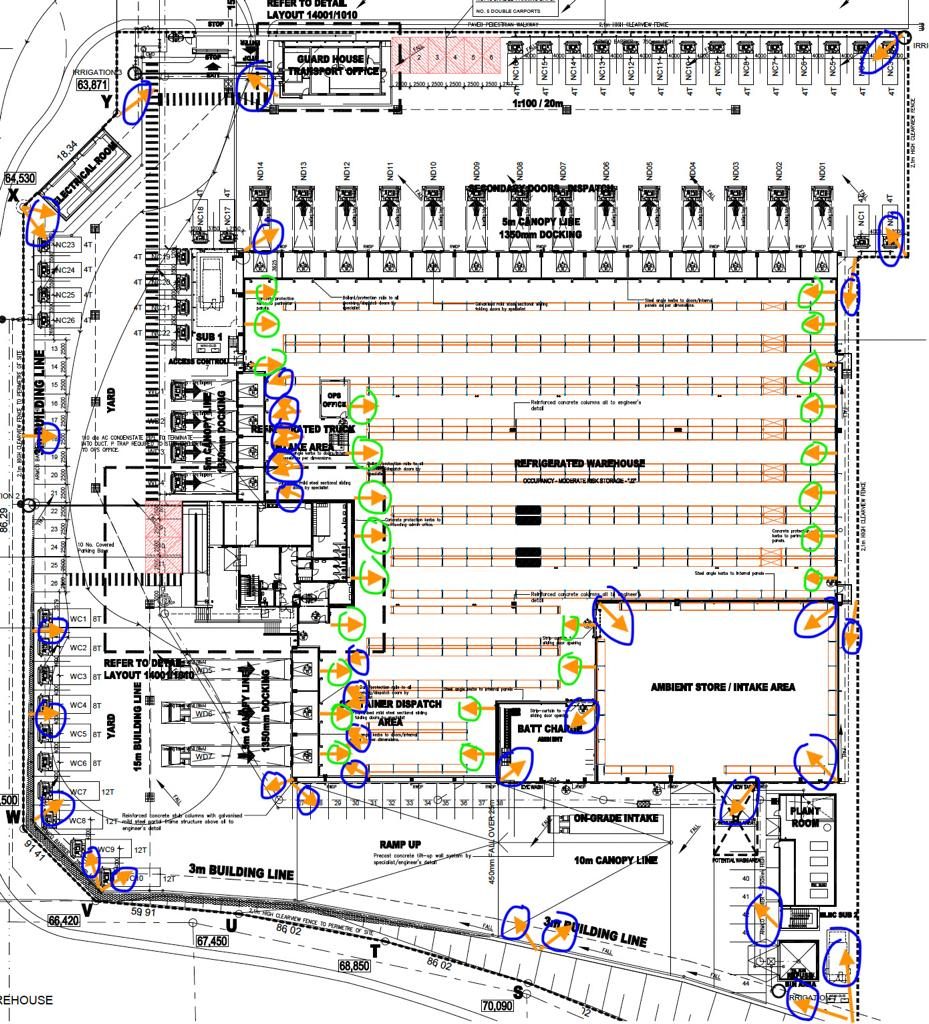
Long cable distances, multiple buildings, warehouses, remote offices and yard areas may require additional cabinets, PoE switches and fibre links. That adds cost, but it can make the system more reliable and easier to expand.
Leaving it out to make the quote cheaper can create a fragile system.
This is why large CCTV sites often need fibre between cabinets.
The viewing point should be included
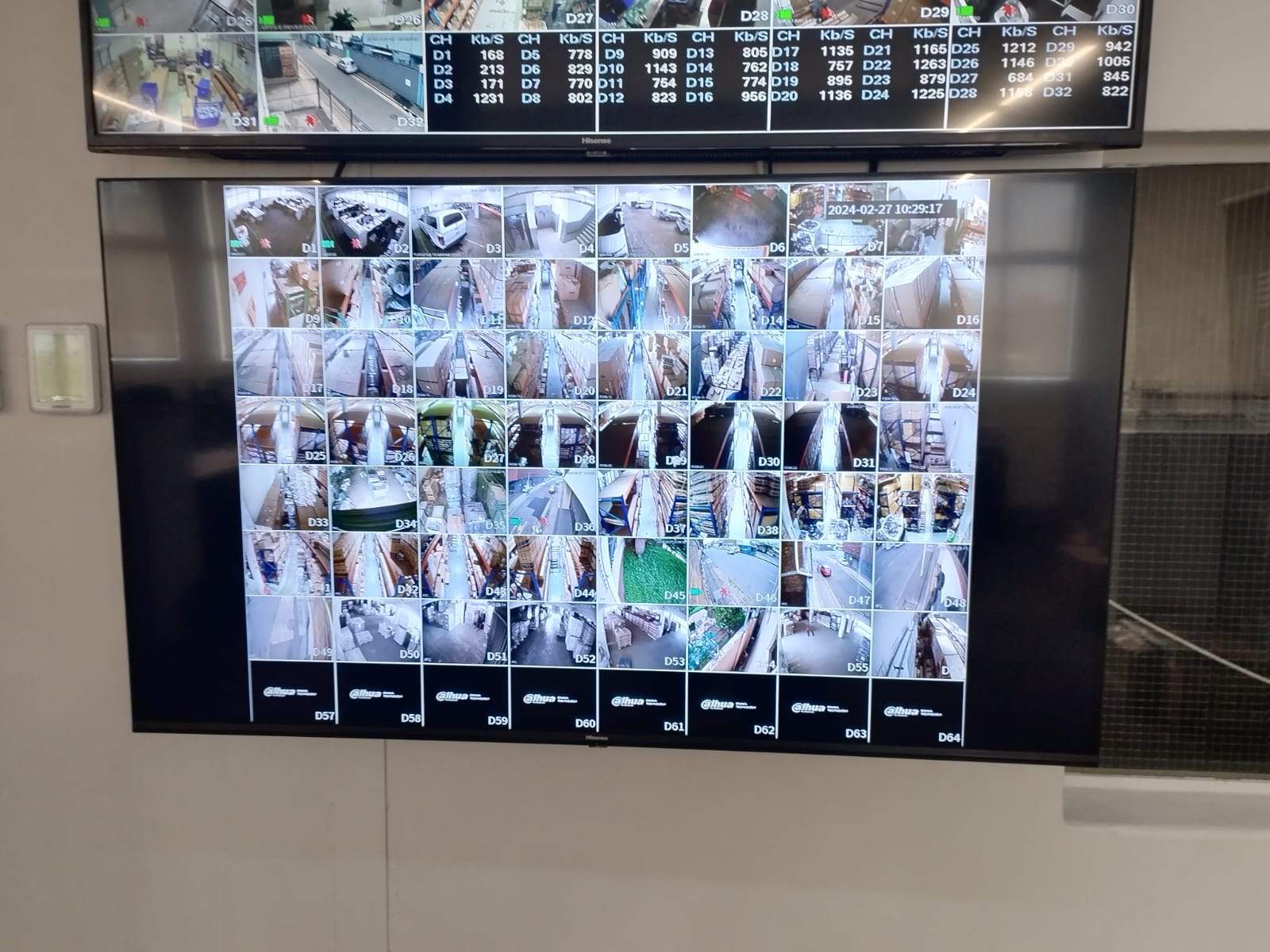
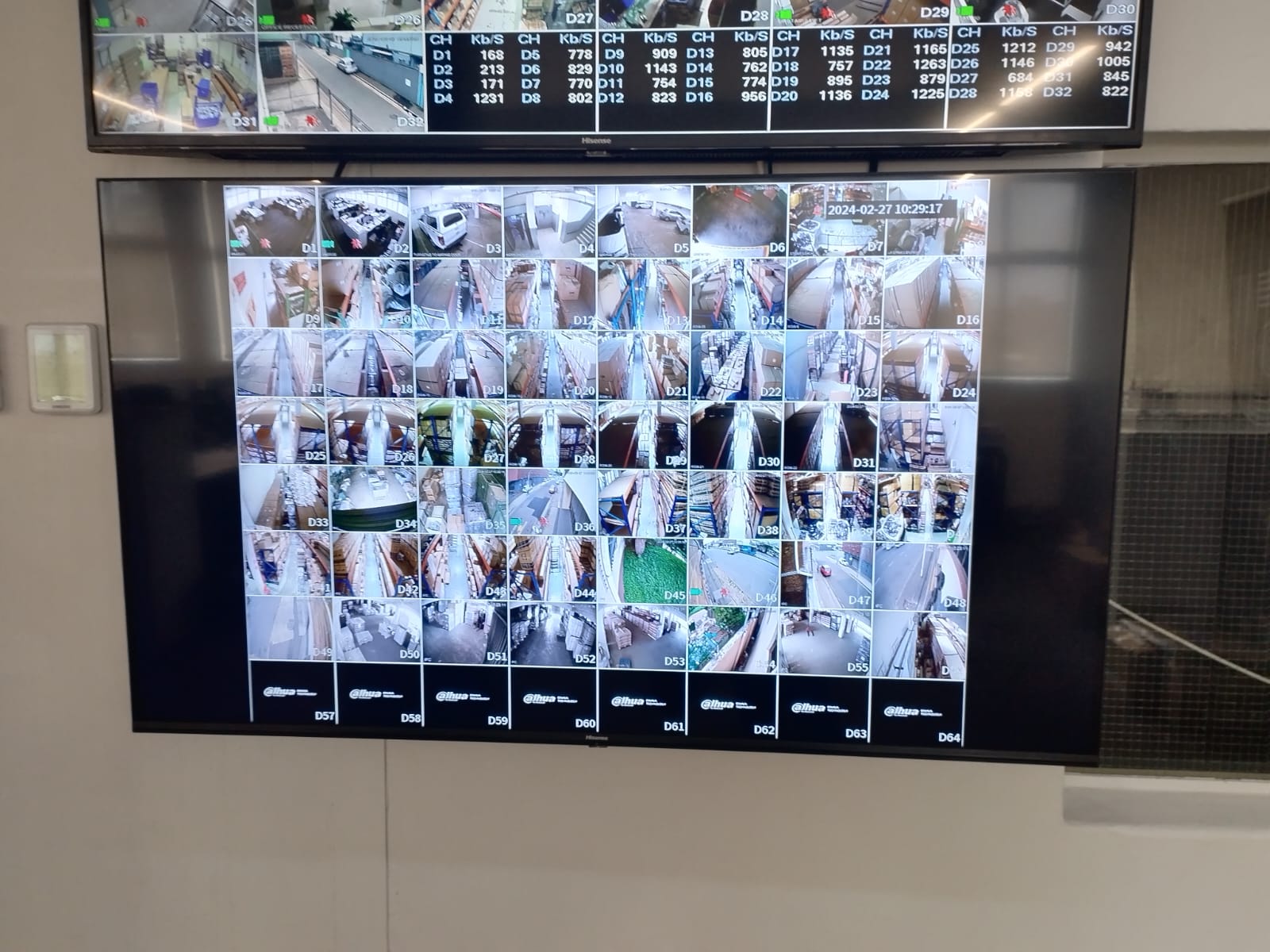
Many businesses need more than phone viewing.
The owner may want a large display in the office. A guard may need a monitor at reception. A supervisor may need access to dispatch, loading or warehouse cameras.
That viewing point can affect:
- HDMI routing,
- network viewing,
- power points,
- wall brackets,
- monitor size,
- display layout,
- user permissions.
If the viewing requirement is added later, the installation often becomes messier and more expensive.
Labour is not just drilling and mounting
Commercial CCTV labour includes more than fixing cameras to walls.
It may include:
- cable pulling,
- conduit work,
- fibre termination,
- rack assembly,
- cabinet mounting,
- switch setup,
- NVR setup,
- camera aiming,
- night testing,
- recording checks,
- app setup,
- user training,
- labelling,
- documentation.
When a business compares prices, it should ask what labour is actually included.
A cheaper quote may not include the work that makes the system usable after handover.
Downtime and site access affect the real cost
Businesses do not always give installers an empty building.
There may be staff working, stock moving, trucks loading, cold rooms running, tenants operating or managers needing access. That affects how the work is scheduled and how carefully the system is cut over.
On serious sites, installation planning is part of the cost because disruption has a cost too.
The CCTV team needs to know when it can drill, where it can run cables, which areas are live, who can approve camera views and what must keep working during the changeover.
The cheapest quote may not be the cheapest system
The cheapest CCTV quote often removes the invisible parts:
- smaller recorder,
- less storage,
- no fibre,
- weak switch,
- poor cable containment,
- no monitor planning,
- no labels,
- no documentation,
- no handover.
That can look fine on day one.
It becomes expensive when the footage is needed and the system cannot provide it.
For DG Technologies, the aim is not to make CCTV more expensive. The aim is to make the quote honest enough that the client knows what problem is being solved.
Good pricing explains the system behind the cameras.