Move-in week is the worst time to finish deciding how a smart home should work.
By then, everyone is tired.
The client wants to use the home. Guests may be arriving. Furniture is being placed. Bedrooms may still be incomplete. Builders are closing snags. Cabinet makers are finishing doors and panels. Electricians are tracing last items. The AV team is trying to commission systems in rooms that are still changing.
That is not a calm environment for good technical decisions.
It is a pressure environment.
And pressure is where small coordination gaps become visible.
Handover should prove the system, not discover the system
A proper smart-home handover should be the moment the client learns the system.
It should not be the moment the team discovers unresolved design questions.
Before handover, the AV team should already know that the Wi-Fi is stable, the music zones work, the lighting scenes behave correctly, the TV sources switch reliably, the rack is powered, the touch panels are online, the keypads are labelled, remote access is configured responsibly and the client can perform the basic daily actions without confusion.
If those items are still being decided while people are moving in, the handover becomes rushed.
The client hears explanations instead of experiencing confidence.
Guests expose unfinished work quickly
Technology behaves differently when the house is full.
One person testing a music zone is not the same as a client entertaining guests. A TV that works in the main lounge is not enough if guest bedrooms still need simple control. A lighting scene that looks good during the day may need adjustment at night. A Wi-Fi network that seems fine during setup may be stressed when phones, tablets, TVs, cameras and streaming devices all come online together.
This is why DG Technologies prefers a readiness buffer before major occupation.
The house needs time to breathe technically.
Small issues can then be corrected before they become embarrassing.
Last-minute work spreads the team too thin
On premium builds, last-minute pressure rarely belongs to one trade.
Everyone is trying to finish at once.
That creates collisions. The AV team needs access to a rack, while cabinetry is still being finished. A lighting point needs testing, but the electrician is elsewhere. A speaker position depends on furniture that has just changed. A bar or entertainment area needs final lights, but guests are arriving. A network cabinet is not ready, but the client needs internet.
When too many things happen at the same time, even good teams become stretched.
The solution is not to work harder at the end.
The solution is to reduce what remains unresolved at the end.
A technical completion date should be separate from the move-in date
DG Technologies prefers to separate technical completion from occupation.
That does not mean every cosmetic item must be finished. It means the systems that affect daily use should be far enough along to test properly.
For a large home, this should include:
- internet and router management;
- core network and Wi-Fi access points;
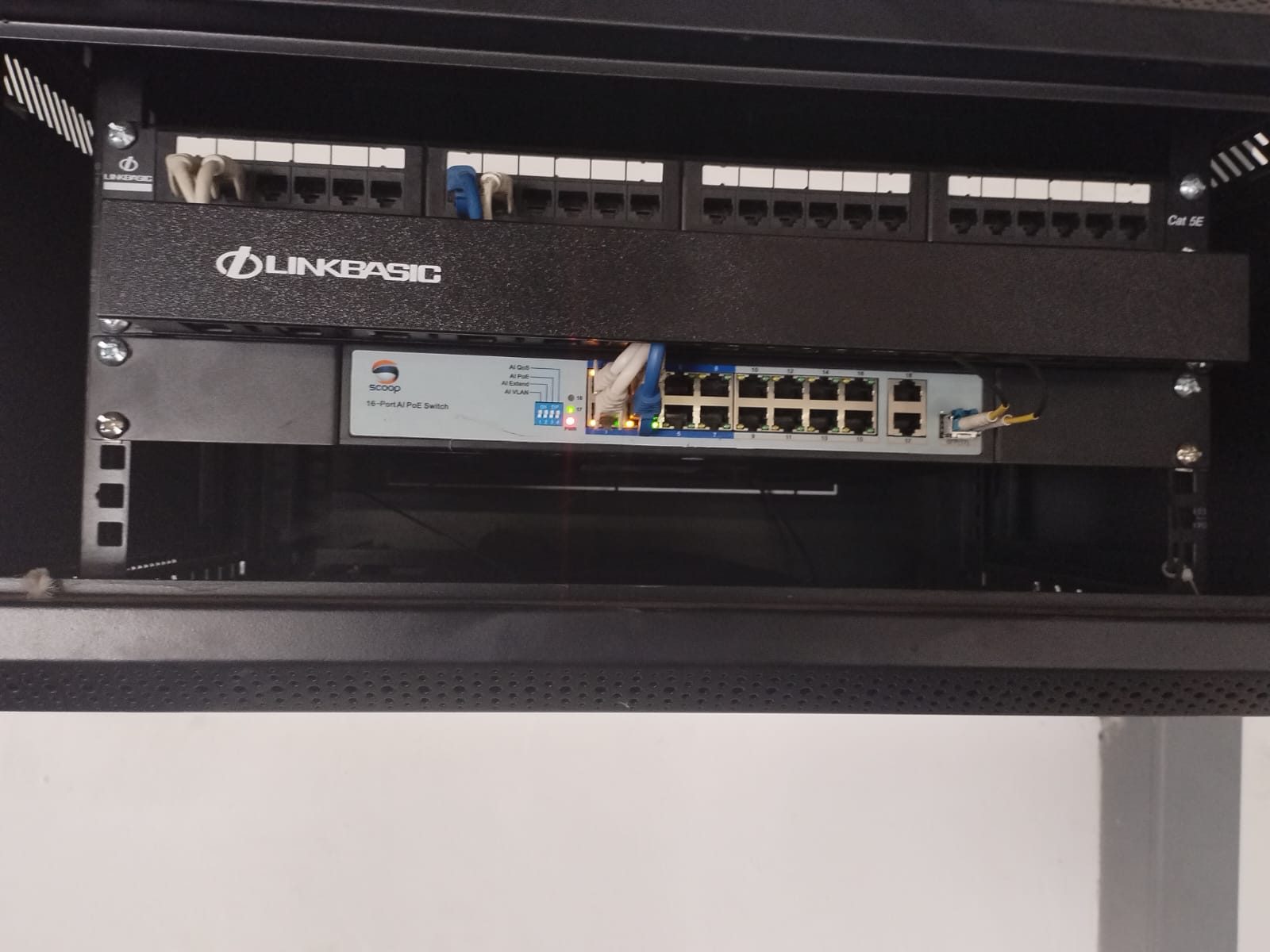
- rack power and ventilation;
- Crestron processor, keypads and touch panels;
- essential lighting scenes;
- main audio zones;
- important TV rooms;
- CCTV viewing and recording;
- gate, intercom and access-control basics;
- remote support access;
- simple client handover.
Once those items are stable, the remaining snags become manageable.
Without that buffer, every small issue feels urgent.
The client deserves calm at the end
The final week of a build is emotional.
The client has spent serious money. They want to enjoy the home. They may be hosting family or friends. They are tired of decisions. They do not want to hear that a cable, scene, zone or source still needs to be figured out.
Good smart-home planning respects that.
It brings the technical decisions forward, where there is still time to adjust without drama.
The best handover feels calm because the hard thinking happened earlier.
That is what DG Technologies aims for.
Not a heroic final day.
A home that is ready before it needs to perform.