A loading bay is not just another place to mount a camera.
It is one of the most important evidence points on a commercial site.
Goods arrive. Goods leave. Drivers wait. Staff sign paperwork. Forklifts move. Doors open and close. Contractors enter. Vehicles reverse. Pallets are loaded. Disputes happen later when everyone remembers the event differently.
One wide camera from the corner of the building may show that something happened.
It may not show what happened clearly enough.
That is the difference between a camera view and useful CCTV evidence.
A wide view gives context, not detail
Wide cameras are useful.
They show the bigger picture: which vehicle arrived, how many people were present, which door was open, whether the forklift was moving, and what general activity happened in the loading area.
But wide views usually struggle with detail.
If the camera is too far away, faces become small. Number plates may be unreadable. A handover at the roller door may be hidden behind a vehicle. A pallet label may not be visible. A driver may stand under harsh backlight. At night, reflective truck panels and security lights can make identification harder.
That does not mean the wide camera is wrong.
It means it is only one layer.
For commercial CCTV installation, the question should be: what will management need to prove later?
Loading bays need process views
In a business environment, CCTV often supports operations as much as security.
A manager may need to know:
- what time the truck arrived,
- who opened the bay,
- which staff members were present,
- whether the correct goods were loaded,
- whether a delivery was left unattended,
- whether the vehicle damaged property,
- whether a restricted door was used,
- whether the incident happened inside or outside the bay.
Those questions are process questions.
They need camera views that follow the process.
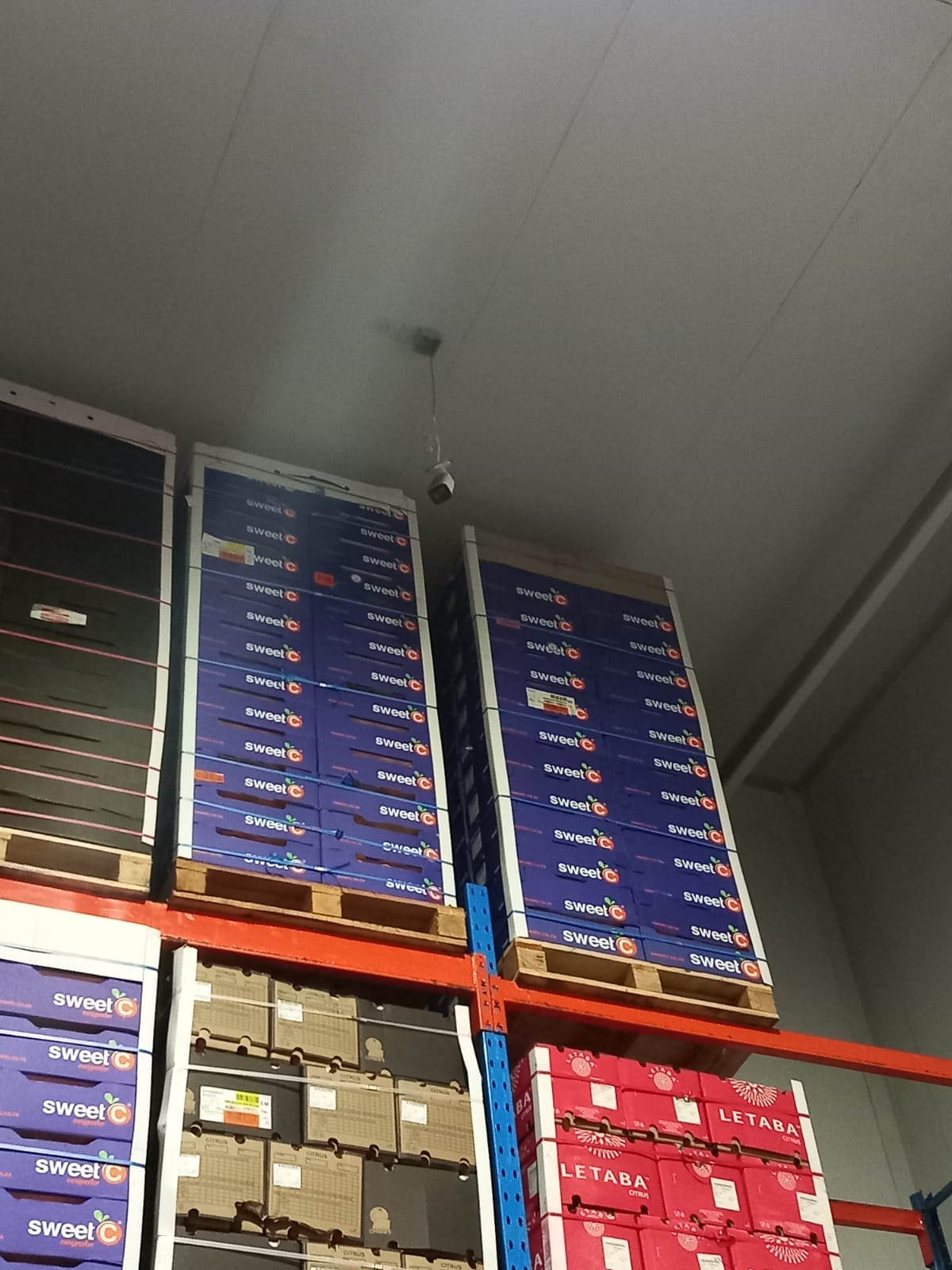
A proper loading-bay design may include an overview camera, a tighter view at the roller door, a vehicle approach view, a dispatch counter or handover view, and sometimes a second angle inside the warehouse.
The goal is not camera count.
The goal is to remove blind assumptions.
Doorways are choke points
Doorways, roller doors, dispatch counters and pedestrian entrances are where people and goods pass through a controlled point.
These are valuable CCTV positions because movement narrows down. Instead of trying to identify someone across an open yard, the system can capture them at the place they must pass.
That is why camera placement should often favour choke points:
- pedestrian gate,
- staff entrance,
- dispatch door,
- receiving door,
- warehouse passage,
- access-controlled door,
- loading-bay threshold.
This links directly to access control and CCTV planning. If a door has a keypad, tag reader or biometric reader, the CCTV view should help confirm who used it and what happened immediately afterwards.
Forklifts and trucks create moving blind spots
Industrial sites are not static.
A camera view that looks perfect when the site is empty may be useless during real operations.
Trucks block views. Forklifts pass through frame. Pallets are stacked temporarily. Roller doors create harsh contrast. Staff gather in different places depending on weather and workload. Yard lights behave differently at night. Rain can change reflections on concrete.
This is why site inspection matters.
Where possible, cameras should be considered against real operating behaviour, not only a clean drawing.
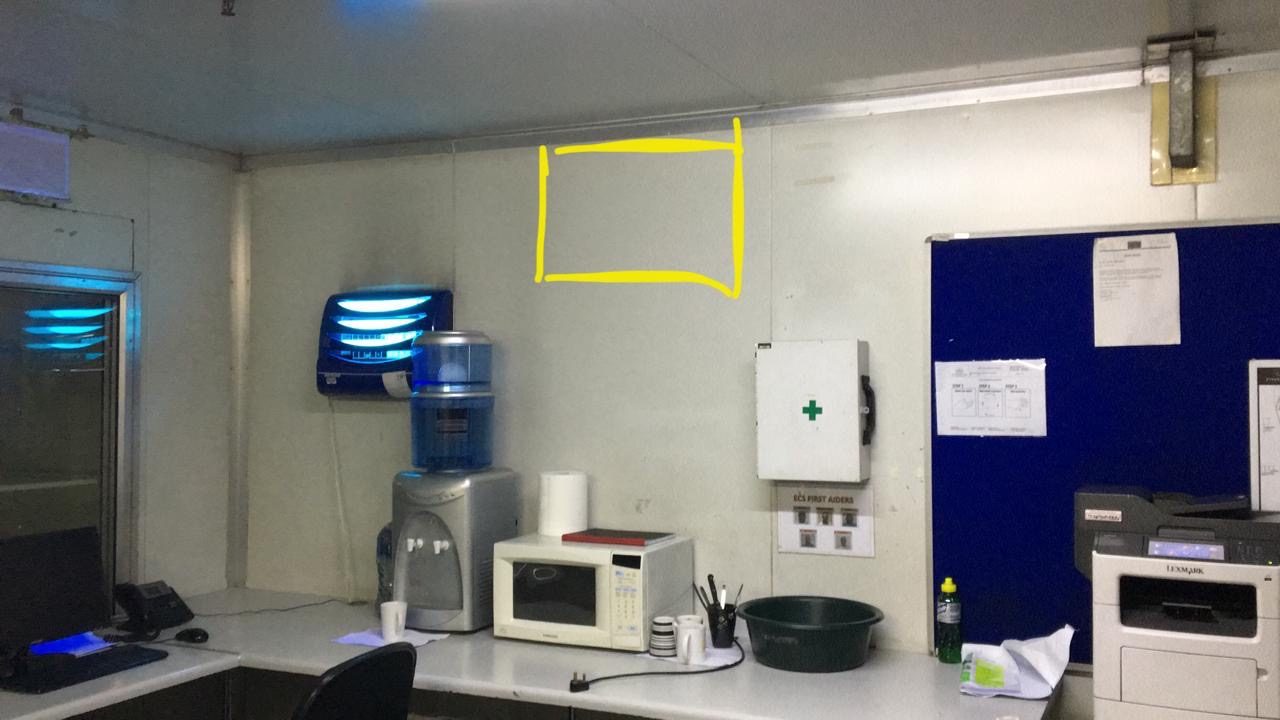
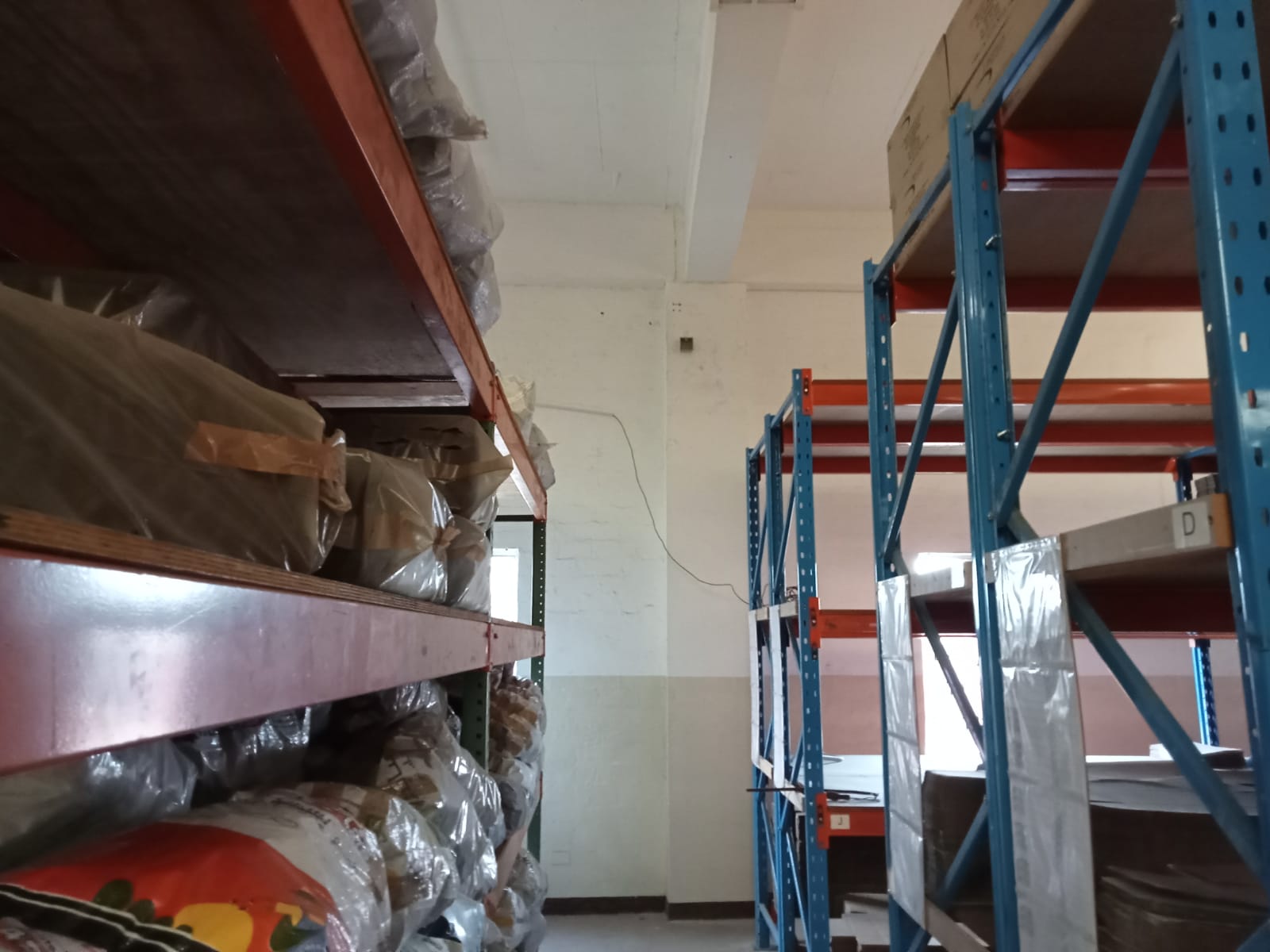
At larger sites, DG Technologies has had to think about CCTV as part of a wider network and cabinet design, not as isolated cameras. Projects like ECS commercial CCTV show how quickly camera systems become infrastructure projects once the site grows.
Retention matters when disputes are discovered late
Loading-bay issues are not always noticed immediately.
A stock discrepancy may be discovered at month end. A delivery issue may only be raised after paperwork is reconciled. A client may query a dispatch days later. A vehicle damage claim may come after the driver has left.
If footage is overwritten too quickly, the camera system cannot help.
That means storage should be discussed as part of the loading-bay design. Camera count, resolution, frame rate, compression, recording schedule and hard-drive capacity all affect retention.
Recording every camera at maximum settings may feel impressive, but if it shortens retention below what the business needs, it may be the wrong design.
The handover must include retrieval
A loading-bay CCTV system is not finished until the right people know how to find footage.
The operations manager, security manager or owner may need to know:
- which camera names relate to the loading bay,
- how to search by time,
- how to review multiple cameras,
- how long footage is kept,
- who can export footage,
- where exported clips are stored,
- who should be contacted when something important must be preserved.
That is why CCTV handover matters in commercial work.
The camera is only useful if the business can use the footage.
Good loading-bay CCTV answers questions
The test is simple.
If something happens at the loading bay, can the system answer the question?
Not just “was there movement?”
Who arrived? Which vehicle was there? Which door was used? What was loaded? Who handled the goods? What happened before and after the event?
That is the level of thinking professional CCTV should bring to loading bays, warehouses and dispatch areas.
For Durban and KZN businesses, DG Technologies designs CCTV around the evidence the site will actually need.