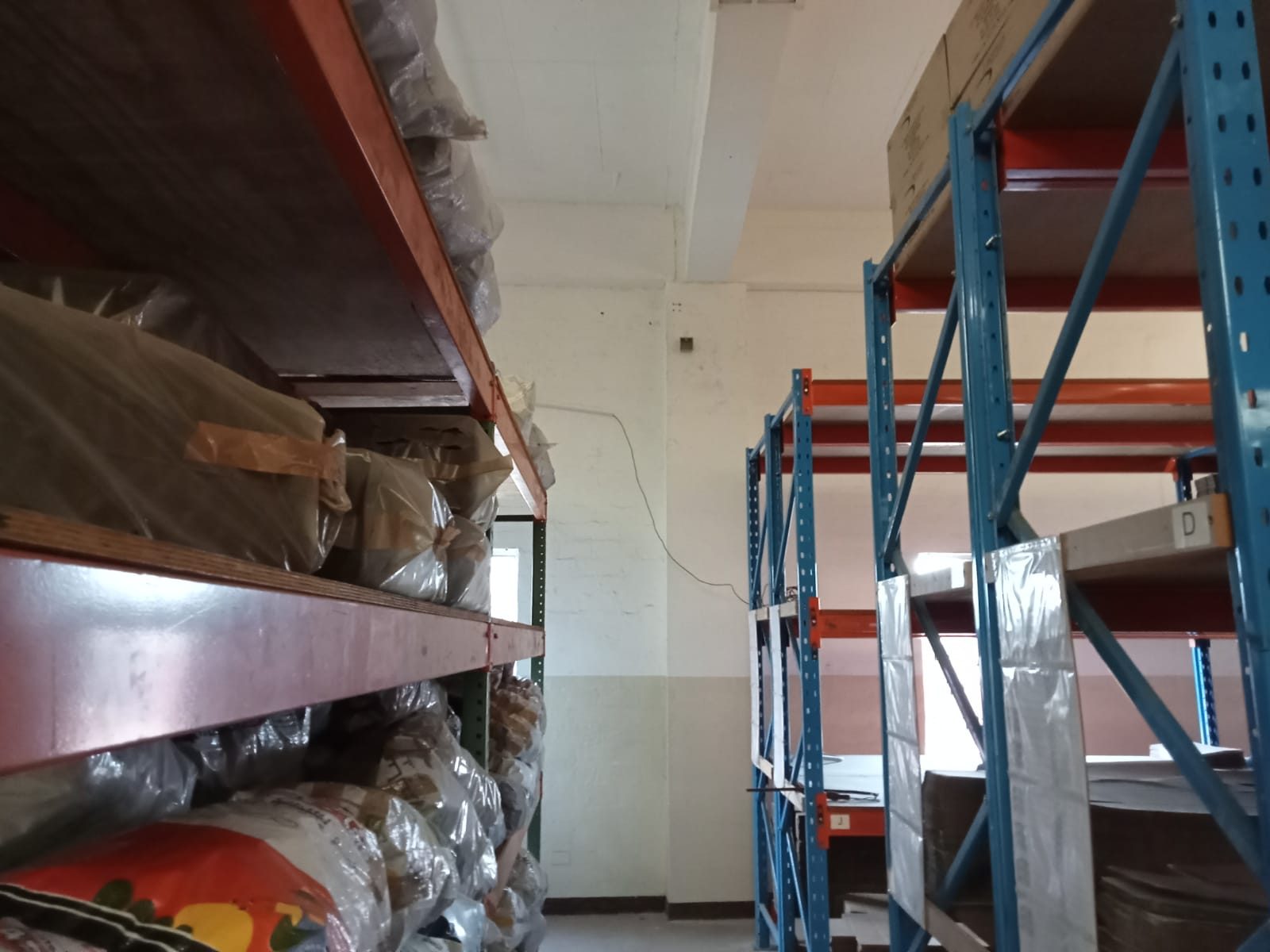
Cold room CCTV is not normal CCTV in a colder place.
The environment changes the installation.
Temperature, condensation, door movement, loading activity, hygiene requirements and maintenance access all affect the camera system. If those conditions are ignored, a camera can be perfectly specified on paper and still become unreliable onsite.
Moisture is a practical problem
Cold areas create moisture problems.
Warm humid air meets cold surfaces. Doors open and close. Equipment moves between temperature zones. Condensation can form where the installer did not expect it.
That matters for housings, cable entries, junction boxes, connectors and mounting positions.
A camera may survive the cold but still suffer because of moisture at the wrong point.
The cable route matters
Getting a cable into a cold room or freezer environment should be planned carefully.
The route may pass through insulated panels, plant areas, ceiling voids or operational spaces. Poor penetrations can create sealing problems. Badly positioned boxes can become difficult to access or exposed to damage from daily work.
The camera position is only one part of the installation.
The route to that camera matters just as much.
Camera access must be realistic
Industrial sites do not always allow easy maintenance.
A camera may be above racking, near a loading path or inside an area that cannot be stopped casually. If access requires special timing, equipment or permissions, that must be understood before the camera is installed.
A neat installation is not enough if nobody can reach the device later.
Lighting and contrast change the footage
Cold stores and warehouses often have strong contrasts.
Bright doorways, reflective floors, moving forklifts, pallet wrap, steam or moisture can affect the image. A camera needs to be positioned for the evidence required, not only for the most convenient mounting point.
The test is whether the footage answers operational and security questions.
Operational downtime is expensive
Cold-room work often has timing constraints.
The site may not be able to stop operations just because a camera needs attention. There may be stock movement, loading schedules, hygiene rules or restricted access windows. A poorly planned installation can make future maintenance more disruptive than necessary.
Camera positions and cable routes should consider how the site will be serviced later.
Camera purpose should be clear
In industrial spaces, a camera may be used for security, safety, stock movement, dispatch disputes or operational review.
Those are not always the same requirement. A camera watching a door may need different framing from a camera watching pallet movement. A camera used for accountability may need clearer detail than a camera used for general awareness.
The purpose should be written into the design.
DG Technologies’ view
DG Technologies treats cold room CCTV as an industrial design problem.
The system must handle the environment, the maintenance reality and the way the site operates every day.
In these spaces, the hard part is rarely buying cameras. The hard part is designing a system that still works once temperature, moisture and daily operations are involved.