A commercial CCTV system is a different animal from a normal home CCTV installation.
In a house, the brief is usually clear enough: driveway, gate, garage, patio, side passage, maybe a few internal views. The homeowner wants to open an app, check what happened and know that footage is being recorded.
In a cold store, warehouse or factory, the CCTV system has to support operations as well as security.
It may need to cover intake areas, dispatch, loading bays, passageways, offices, external yards, battery bays, truck routes, racking, inspection areas, staff movement, gate activity and storage zones. It may have to work in low light, around reflective surfaces, in cold rooms, near condensation, above forklifts, beside high traffic, through long cable routes and across multiple network cabinets.
That is why commercial CCTV should be designed as infrastructure, not as a bundle of cameras.
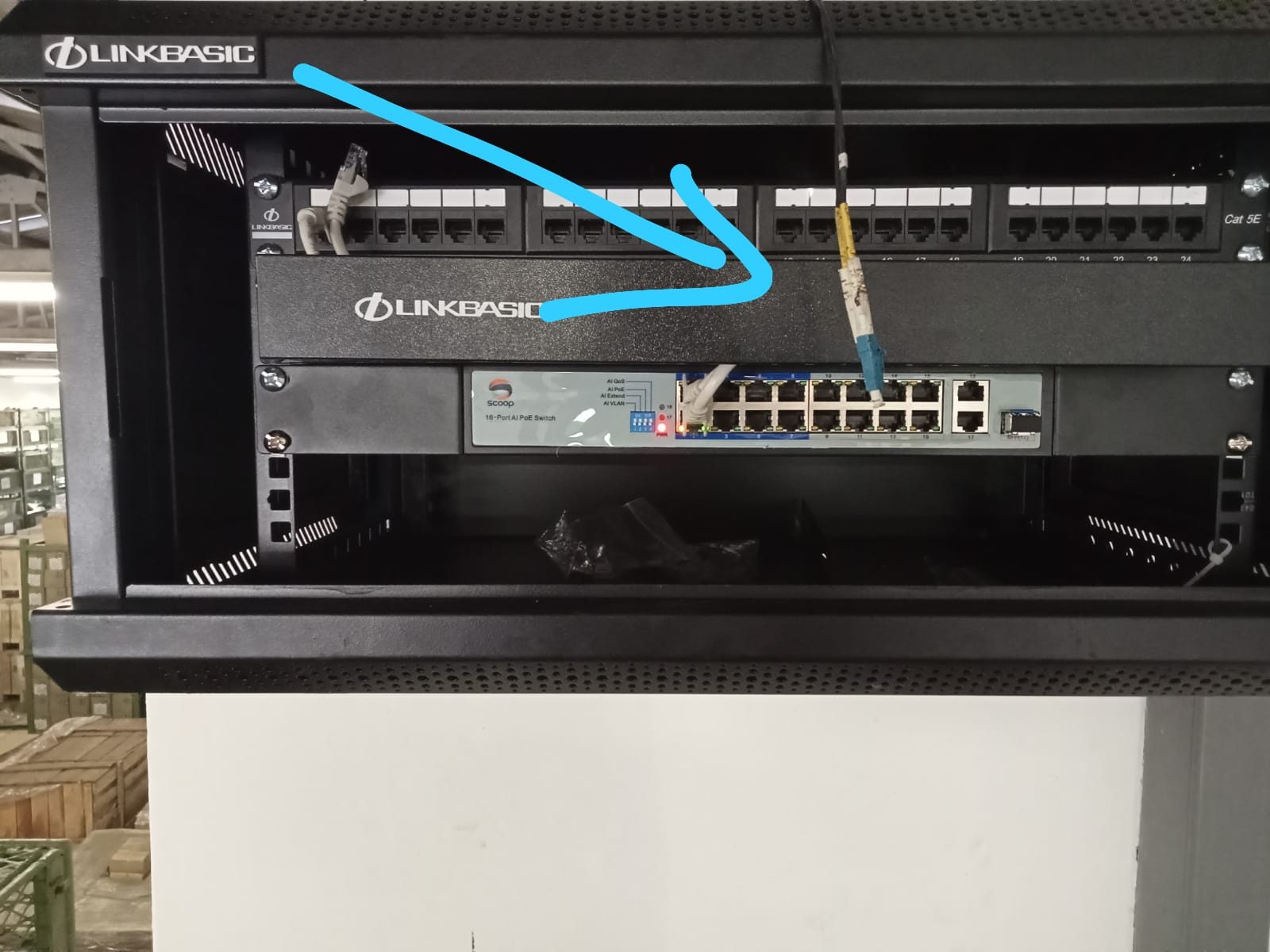
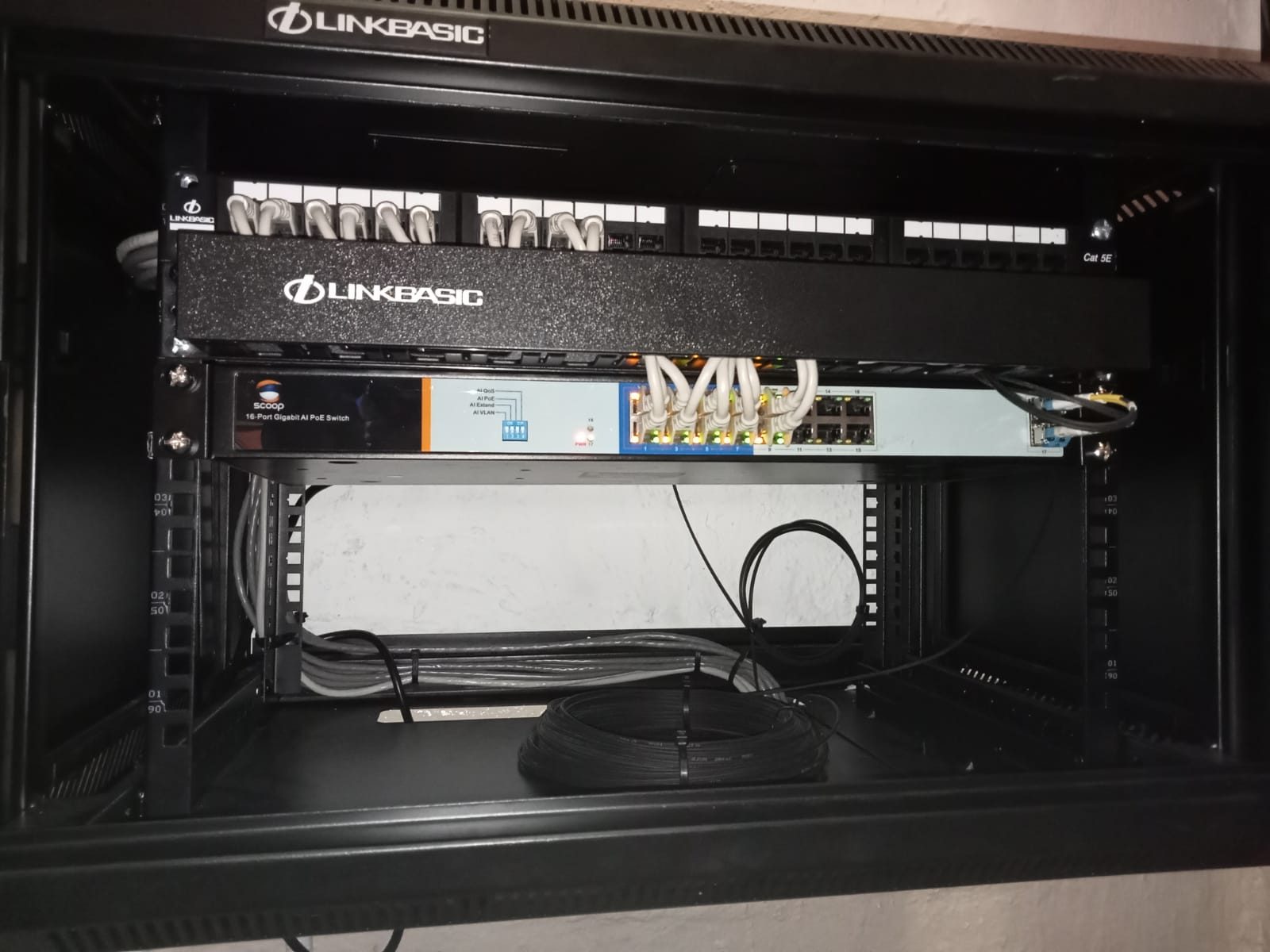
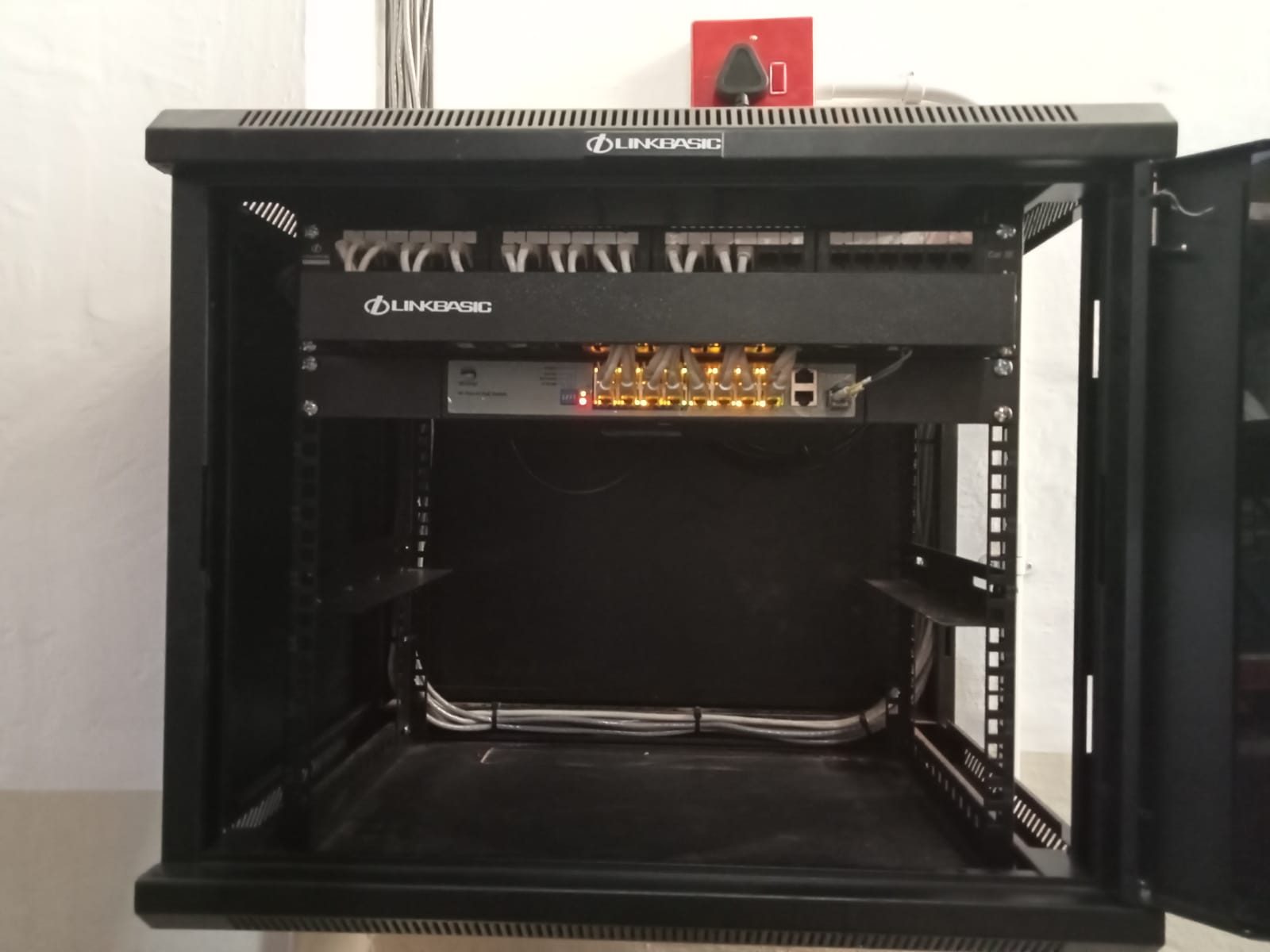
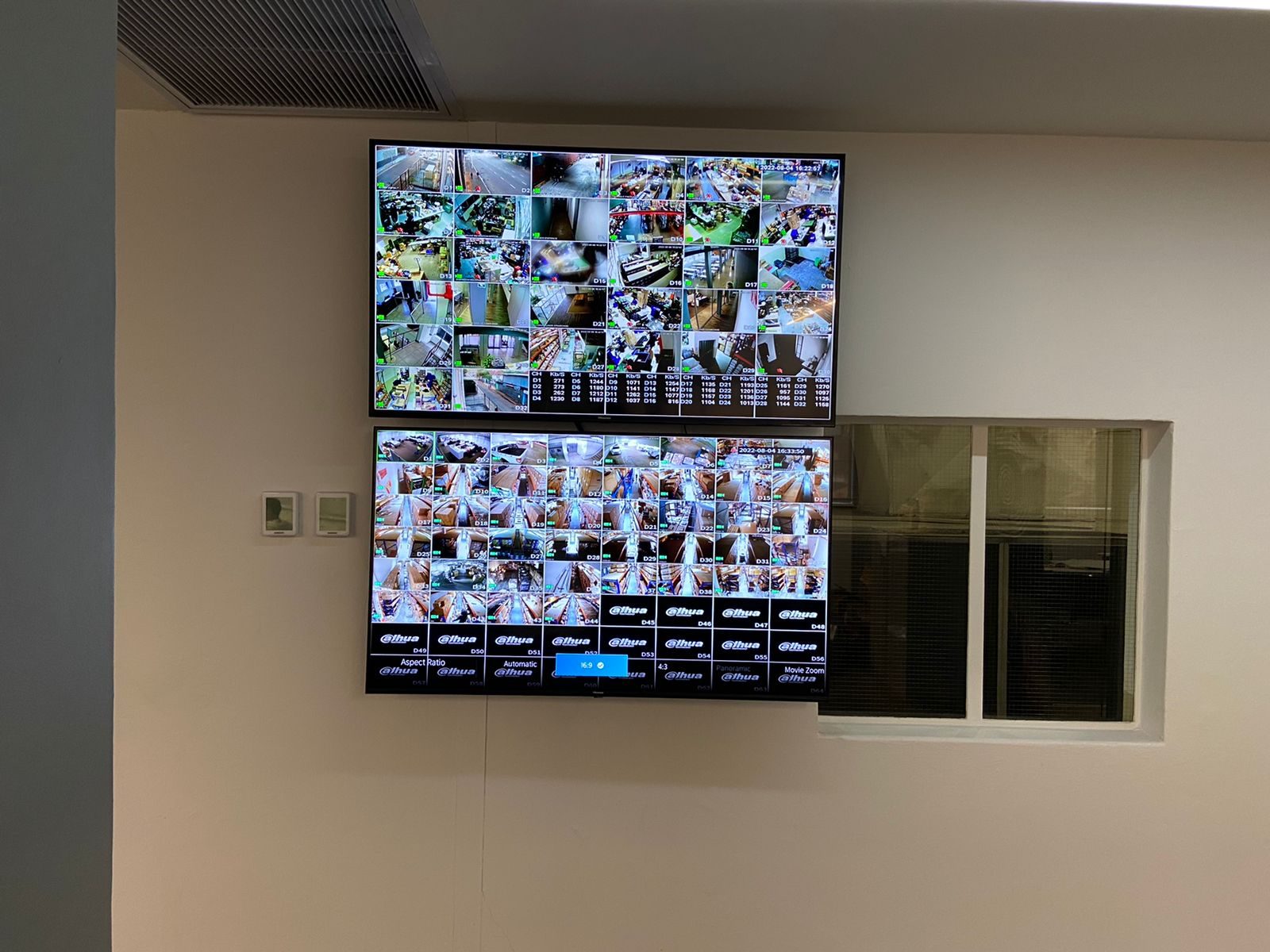
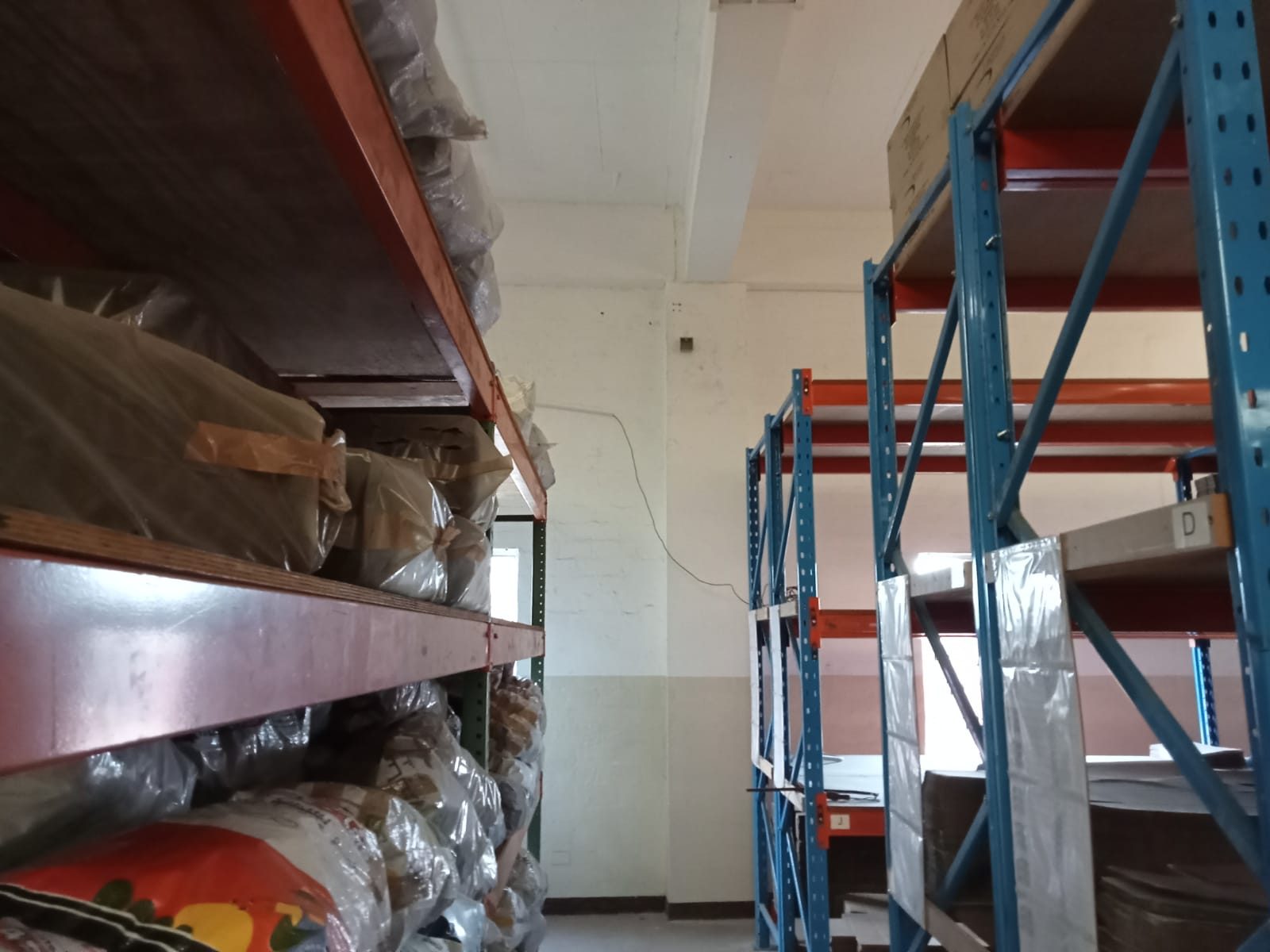
DG Technologies has worked on this kind of environment through projects such as ECS Commercial CCTV, where the CCTV planning had to consider camera count, network switching, fibre links, recording capacity, cabinet locations and long-term serviceability. The visible camera is only one part of that design.
The site decides the system
A warehouse or cold-store CCTV plan should start with the building.
Where do trucks enter? Where do goods move? Where do staff pass through? Which areas need evidence rather than only awareness? Which zones are operationally critical? Which views will help management understand a problem after the fact?
Commercial CCTV often needs different types of views:
- overview cameras for large storage or dispatch areas
- tighter cameras for doors, ramps and choke points
- low-light cameras for areas with limited illumination
- weather-rated cameras for external and exposed areas
- suitable cameras for cold-room and passageway environments
- dedicated views for inspection, loading or handover points
The system should not simply copy the same camera everywhere. A camera watching a doorway has a different job from a camera looking down a loading bay. A camera in a cold room has a different exposure risk from a camera in an office corridor. A camera looking at racking has a different purpose from one looking at a gate.
This is why the first design question is not “How many cameras?”
It is: “What must each camera prove?”
Recording retention must be engineered
One of the biggest differences between domestic and commercial CCTV is retention.
In a home, a few days or weeks may be enough depending on the risk. In a commercial environment, footage may be required much later. An operational issue, delivery query, stock concern, incident report or security event may only become important after time has passed.
That means storage cannot be guessed.
Retention depends on:
- camera count
- resolution
- frame rate
- compression settings
- motion or continuous recording
- NVR capacity
- hard drive selection
- future expansion
- how quickly incidents are normally discovered
For large sites, the NVR is not just a recorder. It is part of the operating infrastructure. If the retention target is serious, the storage design needs to be serious as well.
The temptation is to run every camera at the highest possible settings because the spec sheet looks impressive. That can waste storage and reduce retention without improving the practical usefulness of footage. A professional design balances quality, frame rate and storage against the question the footage needs to answer.
Network design matters as much as camera choice
Most serious commercial CCTV is IP-based. That means every camera is also a network device.
On a small site, it may be possible to bring everything back to one cabinet. On a large cold store or warehouse, that can become impractical. Cable distances, cabinet locations, PoE limits, building layout and future maintenance all start to matter.
A proper design may need:
- cameras grouped by building zone
- local PoE switches
- fibre links between cabinets
- enough switch capacity for future cameras
- stable IP addressing
- separate or clearly managed CCTV switching
- UPS or power protection for critical equipment
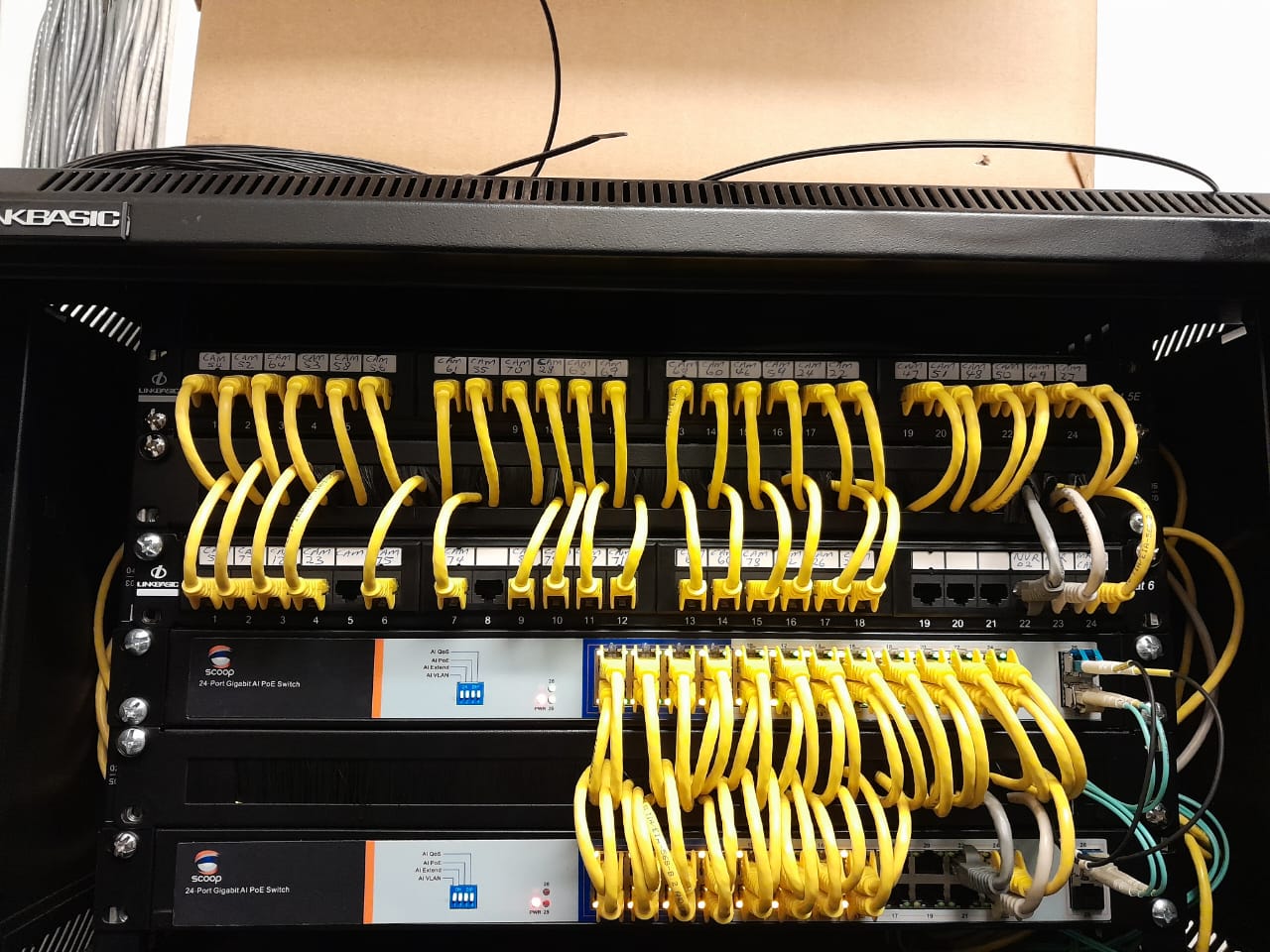
- labelled patching and service notes
This is where an installer with networking experience makes a visible difference, even though most of the work is hidden in cabinets and cable trays.
If the network is weak, the CCTV system will be weak. Cameras may drop offline. Playback may become slow. Remote viewing may be unreliable. Troubleshooting may turn into guesswork. The camera brand then gets blamed for a problem that was actually caused by poor infrastructure.
DG Technologies treats network infrastructure and CCTV installation as connected disciplines because that is how modern systems behave on site.
Cable routes and containment are not cosmetic
Commercial environments punish untidy work.
Cables run through busy areas. Trays get shared. Forklifts, ladders, maintenance teams and future contractors all move through the same building. If CCTV cabling is not contained, labelled and documented, the system becomes harder to support every year.
Good containment should answer practical questions:
- Which tray carries CCTV?
- Which route serves which camera group?
- Where does this cable return?
- Can the route be inspected?
- Can future cable be pulled?
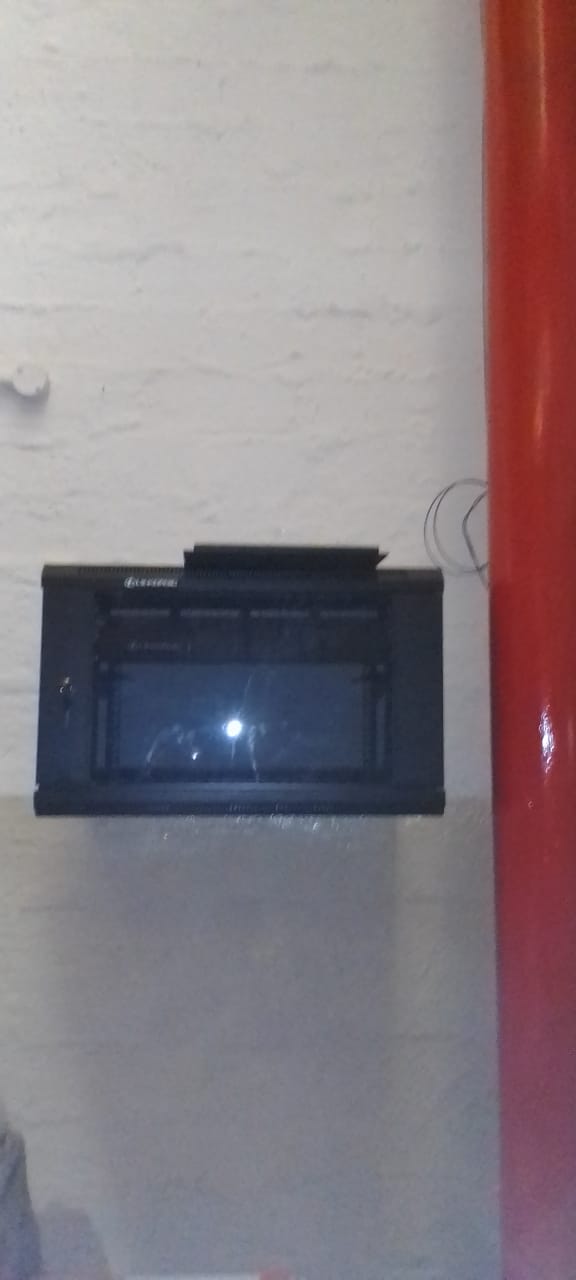
- Is the cabinet protected from weather and mechanical risk?
- Has redundant cabling been removed instead of abandoned?
Those details may sound small, but they decide how fast a fault can be found later.
On a commercial site, downtime matters. If a camera watching a loading bay or gate is offline, somebody needs to know where that camera lands, which switch powers it, which cabinet it belongs to and whether the fault is camera, cable, PoE, switch, NVR or configuration.
That is impossible when the installation is undocumented.
Cold-store and industrial conditions change camera selection
Cold stores and warehouses are not friendly environments for electronics.
There can be temperature changes, condensation risk, wash-down areas, dust, vibration, high ceilings, forklifts, metal racking, reflective surfaces, glare, low light and long distances. A camera that is fine in a lounge or office may be wrong in a passageway, loading area or external yard.
Outdoor, exposed and cold-room-adjacent cameras should be chosen carefully. Weather rating, lens, infrared range, mounting height, bracket choice and service access all matter.
The goal is not to overspec everything. The goal is to choose equipment that suits each location.
Sometimes a fixed dome is the right answer. Sometimes a bullet camera is easier to aim and maintain. Sometimes a more discreet or tighter camera is needed for a very specific point. Sometimes the right solution is an additional light, a better angle or a different mount rather than a more expensive camera.
Commercial CCTV needs a support plan
Handover is not the end of a commercial CCTV system.
People change phones. Apps update. Passwords get forgotten. NVRs move offline. Hard drives age. Switches fail. Camera lenses get dirty. A network change can break remote access. Someone may swap fibre equipment or change router settings without understanding the CCTV dependencies.
A professional system should be supportable after the installer leaves.
That means:
- documented IP addressing
- known recorder credentials stored securely
- app ownership understood
- camera groups named sensibly
- rack and switch labels
- retention settings recorded
- backup power expectations discussed
- remote support routes configured safely
If those details are missing, every future support call takes longer.
The DG Technologies approach
DG Technologies designs commercial CCTV systems for the real conditions found in Durban and KZN businesses: heat, humidity, power interruptions, large buildings, changing fibre equipment, multiple contractors, operational pressure and the need for footage that can actually be retrieved when it matters.
We do not see commercial CCTV as a camera list.
We see it as a security infrastructure layer made up of cameras, lenses, cabling, PoE, switching, fibre, recording, remote viewing, storage, app access and documentation.
That is the thinking that separates a professional installation from a camera count.
For commercial premises, cold stores, warehouses or larger sites, speak to DG Technologies about CCTV and security systems and network infrastructure before the system is quoted only by camera quantity.
Field images from DG site work