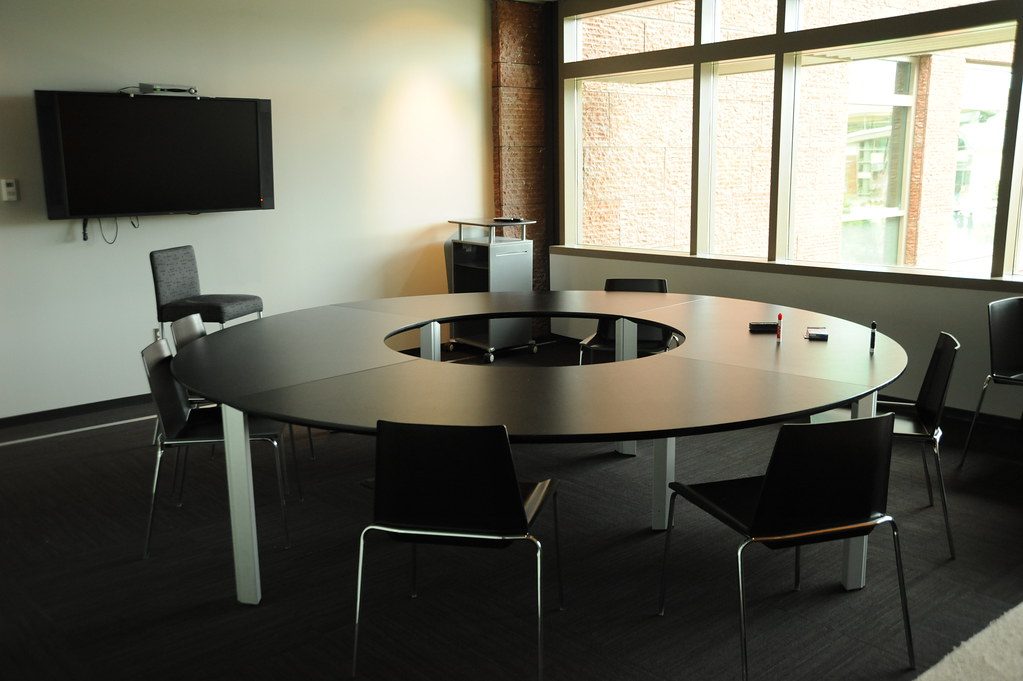
An equipment list for a large commercial AV project should answer more than how many displays are being supplied. It should show which equipment belongs in which room and what each item connects to.
What to record
A useful schedule can include:
- room name and purpose
- display or projector
- microphones and speakers
- camera and conferencing equipment
- table or wall inputs
- control device
- network and power requirements
- cabinet or mounting location
- installation and programming status
The exact fields depend on the project, but the room association should remain clear.
Why counts can be misleading
Two rooms may each have one display while requiring very different cabling, audio, control and commissioning work. A room schedule exposes that difference before the quotation becomes an equipment-count exercise.
On larger control-system work, the processor and touch-panel quantity was only one part of the project. Programming, backup equipment and procurement also needed separate attention.
Keep it current
Update the schedule when a source moves, a model changes or a room is completed in stages. The final version should match the installed system and form part of the handover.
For commercial boardroom AV installation, a room-by-room schedule gives the client and installation team a shared working document.