Refurbishment work can break a working AV system without anyone meaning to.
The cabinet is being repaired.
The floors are being sanded.
The TV wall is being changed.
The room is being painted.
The joinery is being rebuilt.
Everyone is focused on the visible finish, but the AV equipment still has to be removed, protected, staged and reconnected in the right order.
That needs a plan.
Do not just pull everything out
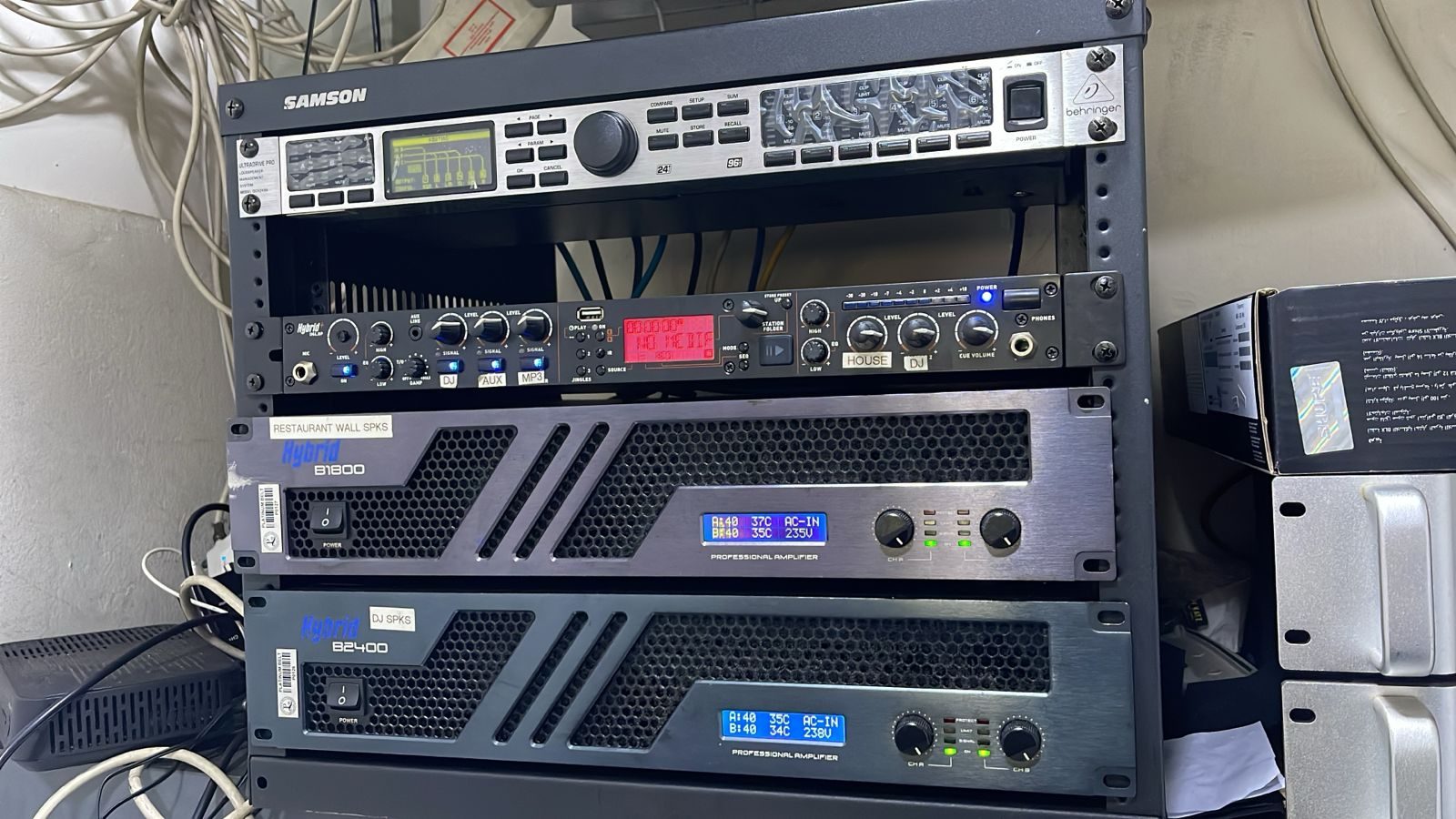
An AV cabinet can contain more than the client realises:
- decoders,
- Apple TV units,
- HDMI extenders,
- amplifiers,
- network switches,
- power supplies,
- IR emitters,
- speaker cables,
- subwoofer cables,
- control cables,
- UPS power,
- and sometimes old cables that still matter.
If everything is unplugged quickly and placed in a box, the system may become a puzzle when it has to go back.
The mistake is not the removal.
The mistake is removing without recording.
Temporary staging keeps the room usable
Sometimes a client still needs part of the system to work while the cabinet or room is being refurbished.
That may mean placing equipment temporarily on a table, reconnecting only the essential sources, keeping one TV working for the evening, or separating the equipment that must remain live from the equipment that can be packed away.
This is not glamorous work.
But it prevents small building work from becoming a household frustration.
Labels are not optional
During refurbishment, labels matter even more than usual.
Every cable removed from the cabinet should be understood:
- where it came from,
- what it feeds,
- whether it is still active,
- whether it belongs to power, network, audio, video or control,
- and whether it must be reconnected before the room is handed back.
Without labels, the final reconnection takes longer and the risk of mistakes increases.
Old cables should not be removed blindly
Refurb work is a good opportunity to remove old analogue cables, unused source leads and dead routes.
But that should be done carefully.
Some old-looking cable may still be serving a remote room, a decoder feed, a subwoofer, an IR repeater or a legacy control path. Removing it without testing can create a fault somewhere else in the house.
The right approach is to identify first, remove second.
Builders and cabinetmakers need boundaries
Cabinetmakers and builders are not expected to understand every AV cable.
They should not have to guess.
Before refurbishment starts, the AV team should make clear:
- what can be moved,
- what must not be moved,
- which equipment needs ventilation,
- which cables must remain accessible,
- where temporary equipment should sit,
- and when the AV team needs to return.
That protects both the trades and the client.
Reconnection is a commissioning step
Putting equipment back into a cabinet is not the end.
The system still has to be tested.
Each source must work. Each room must receive the correct signal. Audio must route properly. Remotes and control systems must behave. Network devices must reconnect. UPS and power paths must be checked.
If the system was changed physically, it needs a technical recommissioning.
Refurbishment is a chance to improve the system
Cabinet refurbishment is often a good time to improve airflow, remove dead cables, add labels, tidy power supplies, improve access and correct old decisions.
But those improvements should be deliberate.
They should not happen accidentally because everyone forgot how the system was originally connected.
The goal is continuity
Good AV refurb support has a simple goal:
Protect the working system while the room changes around it.
That means staging, labelling, photographing, testing and handing back properly.
The client should get the new finish without inheriting a new AV fault.
Related reading: why renovated rooms need AV recommissioning and why rack photos should be part of every smart home handover.