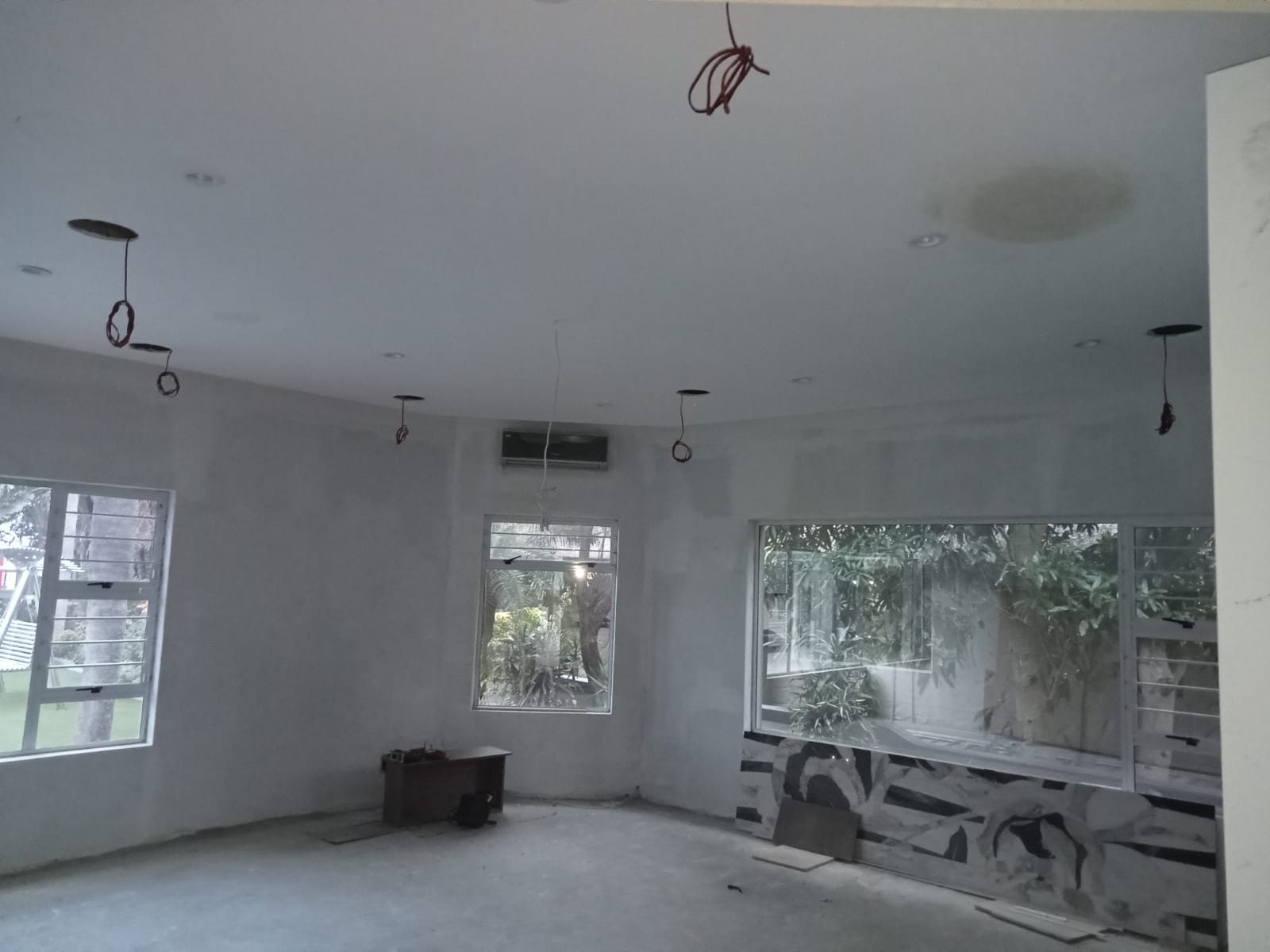
Some of the most valuable photos on a project are taken before the room looks finished.
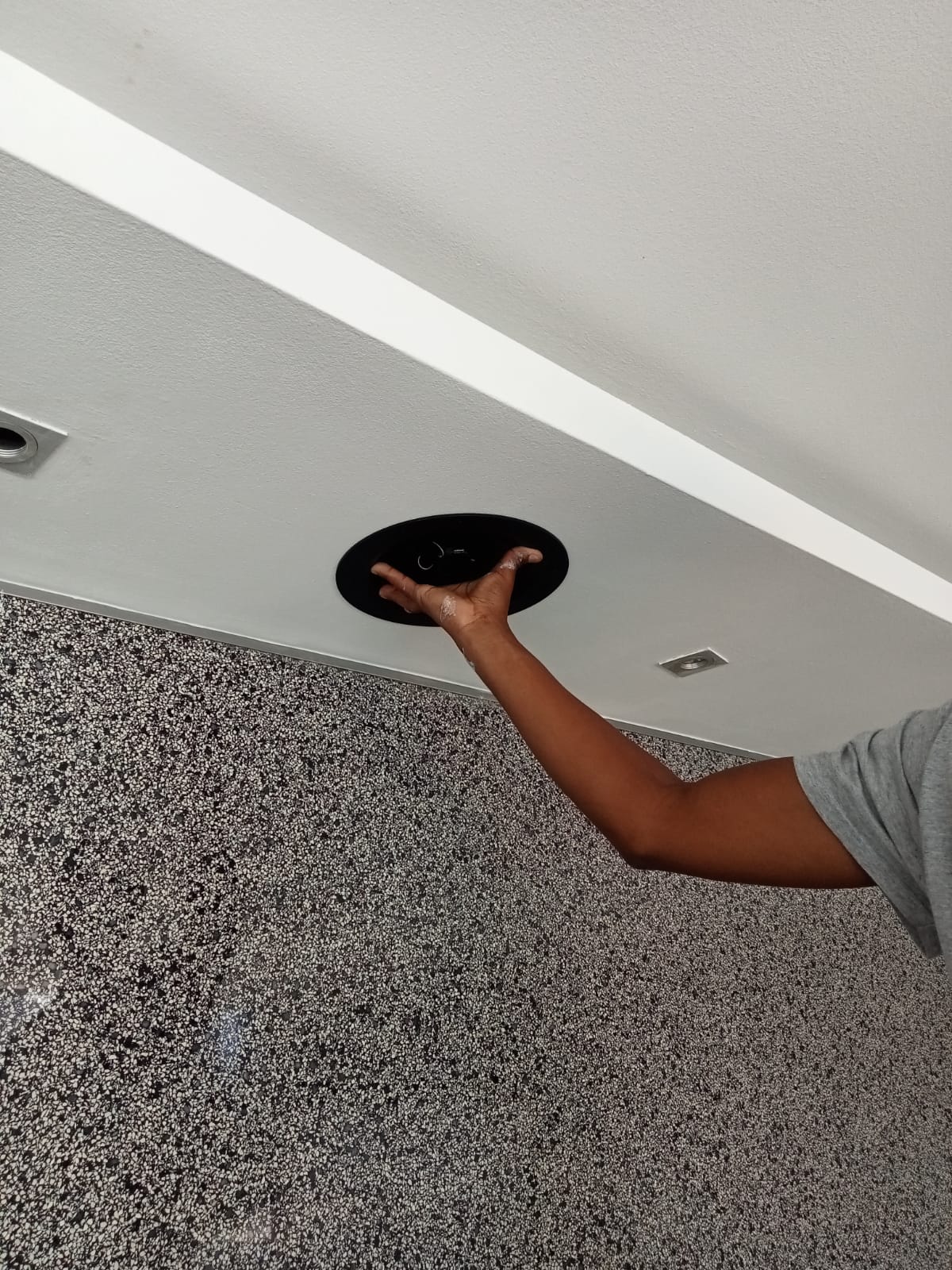
Open ceilings, exposed conduits, cable routes, speaker positions, access point locations and equipment pathways may not be beautiful, but they tell the truth about what is inside the building.
Once ceilings close, that information disappears.
Memory is not documentation
During construction, everyone thinks they will remember where things are.
Years later, nobody does.
A cable route may run around a beam. A conduit may pass near a downlight. A speaker cable may sit beside an access point. A draw box may be hidden above a trap door. These details matter when a fault appears or when a client wants to upgrade.
Photos preserve the information.
As-built photos help future technicians
A future technician should not have to guess where to cut, drill or pull.
Good construction photos can show where conduits run, where cables were left, which routes are safe and which areas should be avoided. They can reduce damage, speed up fault finding and make future upgrades less invasive.
That protects the client and the finished interior.
Photos should be organised
Taking photos is not enough.
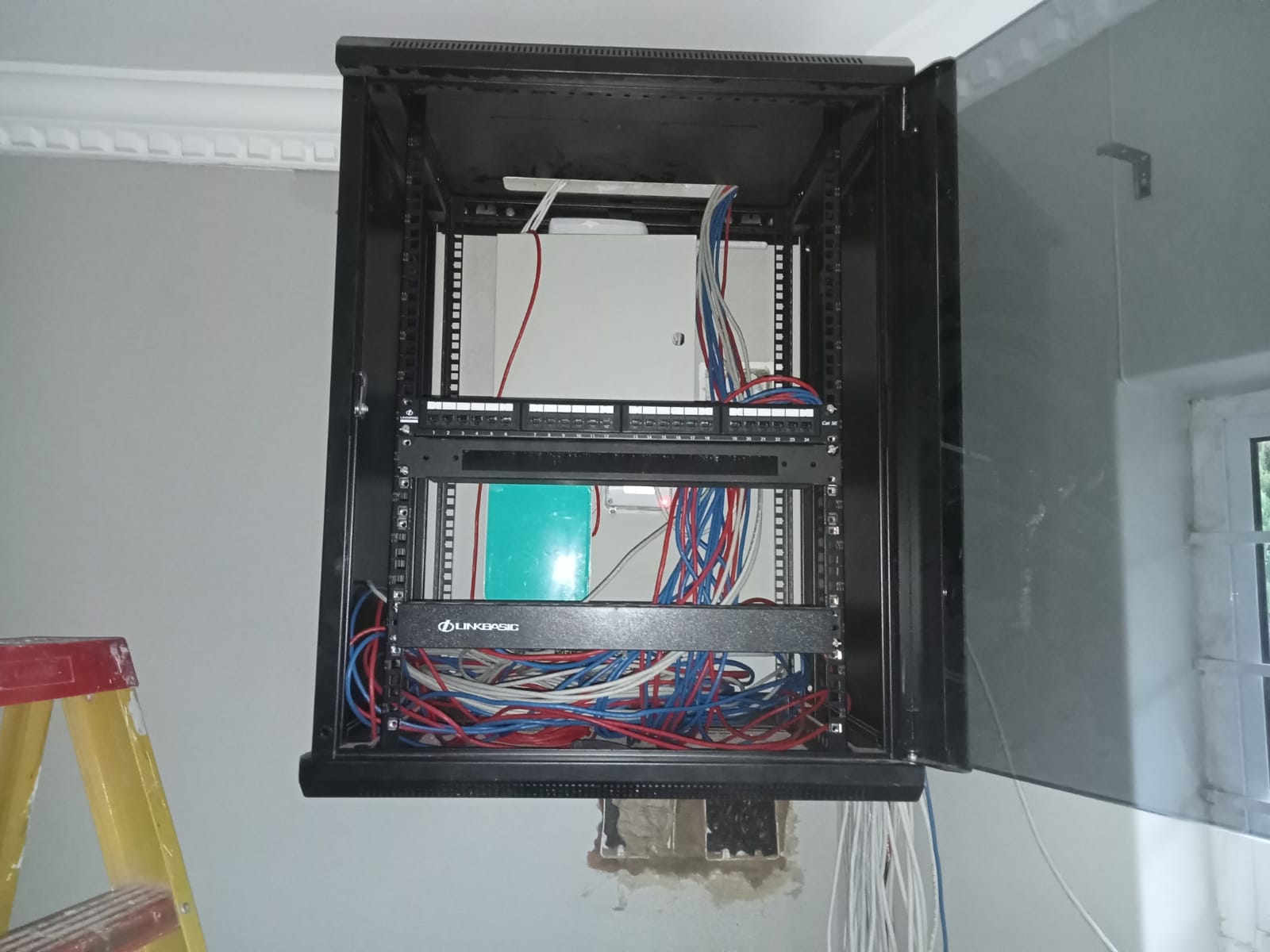
They should be labelled by room, floor, wall, ceiling area or system. A folder full of random site pictures is better than nothing, but it is not the same as useful documentation.
The goal is to make the information findable.
Architects and builders benefit too
Low-voltage photos are useful beyond the AV team.
Builders, electricians, interior designers and maintenance teams may all need to understand what sits behind finishes. Good records reduce blame, confusion and unnecessary opening of ceilings or walls.
The building becomes easier to own.
Photos help when drawings change onsite
Drawings are essential, but sites still change.
A conduit may move because of a beam. A speaker position may shift because of lighting. An access point may be relocated because of air-conditioning or ceiling depth. A cable route may change because another service has taken the original path.
As-built photos capture what actually happened.
That makes them different from design drawings.
Small notes make photos more valuable
A photo of an open ceiling is useful.
A photo with a room name, direction and short note is much better. “Main bedroom passage, looking toward bathroom, AP conduit and speaker route” is the kind of information that helps years later.
Documentation does not need to be complicated to be valuable.
It needs to be clear enough for someone else to understand.
DG Technologies’ view
DG Technologies sees as-built photos as part of responsible installation.
The client is not only buying working speakers, Wi-Fi, cameras or control.
They are buying decisions hidden inside the structure. Those decisions should be documented before they disappear behind plaster, ceiling boards and paint.