There is a common assumption in CCTV:
One area, one recorder.
That is not always the best design.
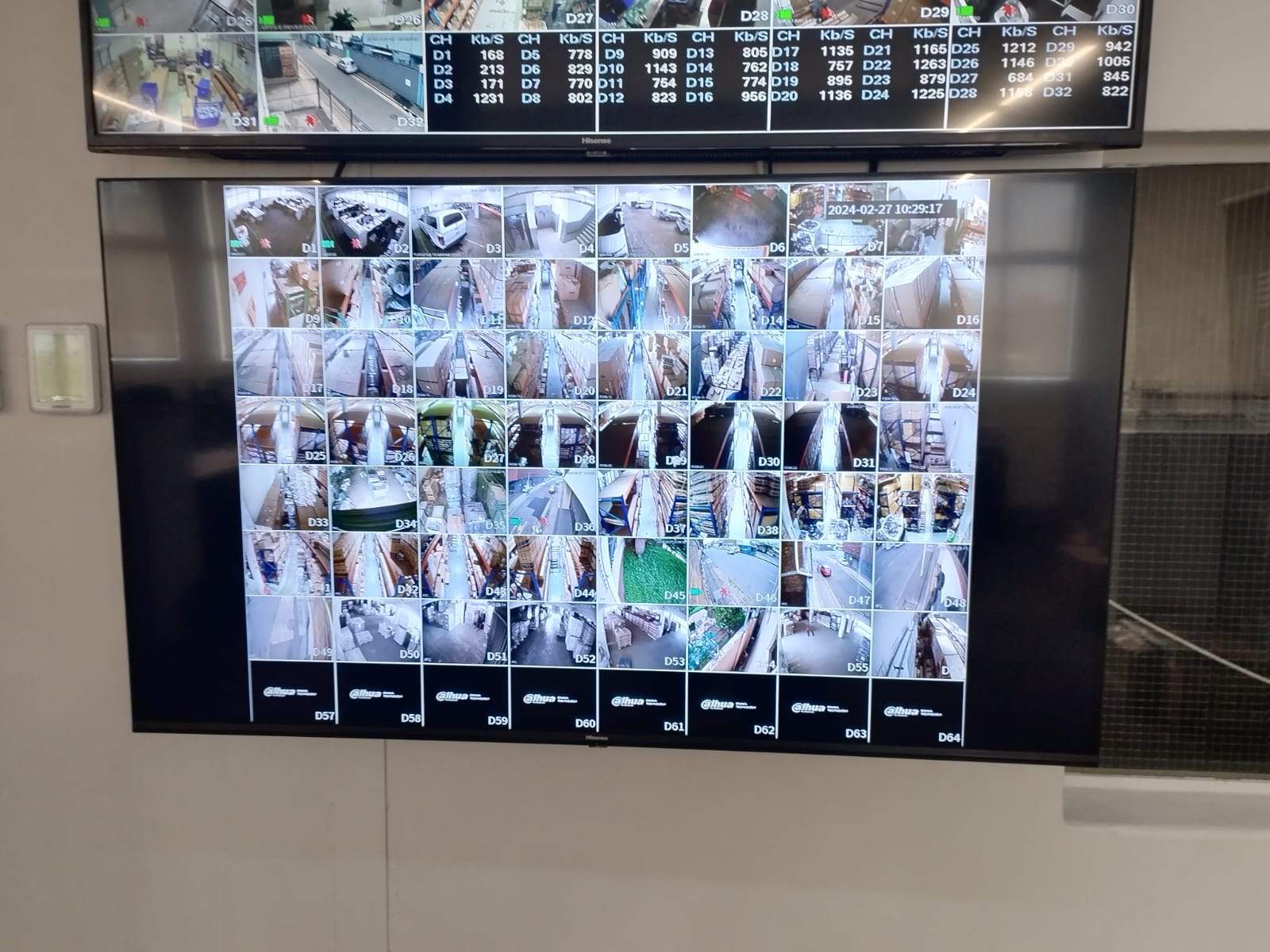
On many commercial sites, a single properly planned NVR can monitor multiple buildings, warehouse sections, offices or remote cabinets. The decision depends on the network, storage, camera count, viewing requirements and how the business wants to use the footage.
The important word is “properly”.
The NVR does not need every camera beside it
Modern IP CCTV is network-based.
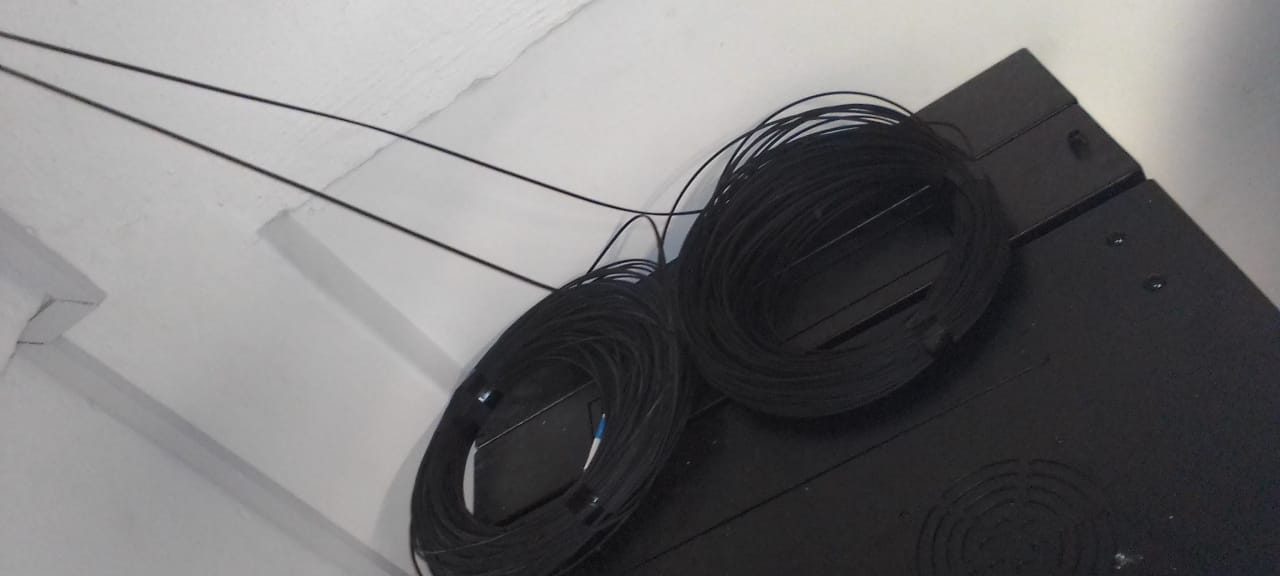
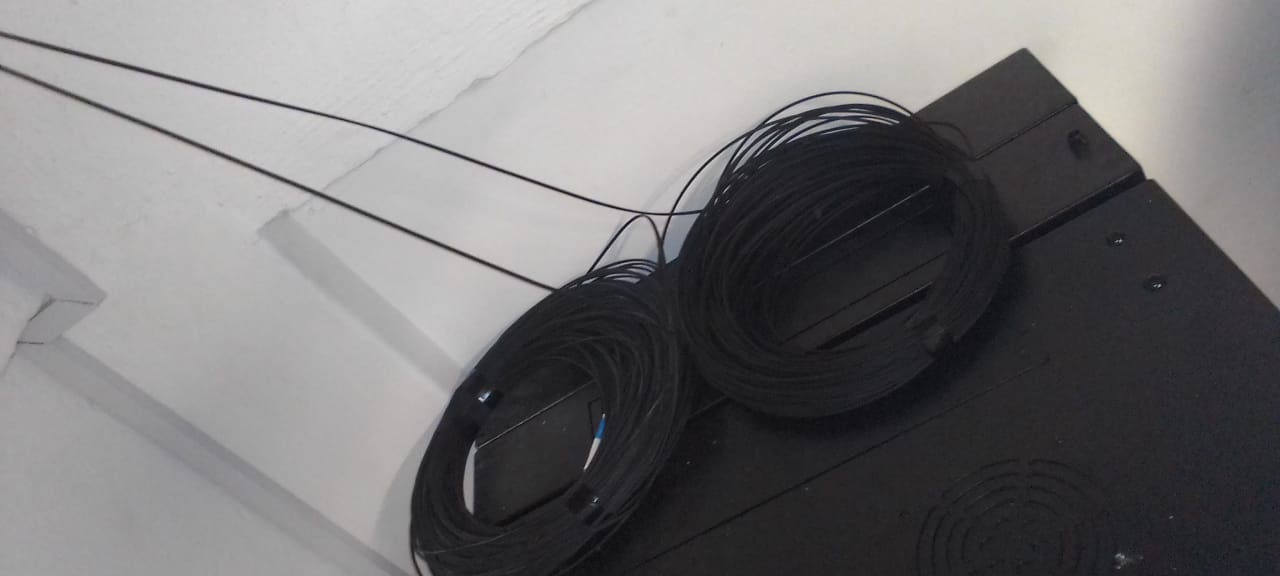
The NVR does not physically need every camera cable landing directly beside it. Cameras can connect to PoE switches in local cabinets, and those cabinets can link back to the main network through fibre or other suitable backbone links.
That allows a site to be designed around the building rather than forcing every camera route into one long, awkward cable path.
This is especially useful for:
- warehouses,
- factories,
- multi-building sites,
- yard and gate areas,
- upstairs/downstairs commercial premises,
- remote dispatch areas,
- large estate homes,
- sites with future expansion plans.
The backbone is the real design
If the NVR is central, the network backbone must be strong.
The design needs to consider:
- bandwidth from each camera group,
- fibre or copper distance limits,
- switch uplink capacity,
- PoE budget,
- recorder channel capacity,
- storage size,
- cabinet power,
- cabinet ventilation,
- service access.
If those items are not planned, cameras may connect during installation and then start failing once the site is under real use.
Why not just install separate recorders?
Separate recorders can solve some problems, but they can also create others.
They may split footage across different systems. They may need separate app access. They may make playback harder. They may confuse staff who need to know which recorder holds which camera. They may create extra maintenance points.
One well-designed system can be easier for the client to understand.
That does not mean one NVR is always correct.
It means the recorder strategy should follow the operation, not the installer convenience.
Viewing needs to follow the owner or manager
The NVR design should also consider where the footage is viewed.
A warehouse owner may want cameras displayed in an office. A manager may need access from a desk. A guard may need selected views near an entrance. A director may want mobile access but not full admin control.
Those are different viewing paths.
The NVR, network and display routes should be designed so the person using the system can get to the right footage quickly.
If the display plan is ignored, the recorder may be technically correct and still frustrating to use.
Storage must match all areas combined
One NVR serving multiple areas must be sized for the whole site.
That means storage cannot be guessed.
Camera count, resolution, frame rate, bit rate, analytics and recording schedule all affect retention. If the business expects meaningful playback after an incident, the system needs enough storage to support that expectation.
A single recorder can be the right choice only if it has enough channel capacity and storage capacity for the complete system.
Documentation prevents future confusion
Multi-area CCTV needs documentation.
At minimum, the client and support team should understand:
- which cameras belong to which area,
- which cabinet feeds each camera group,
- where fibre links terminate,
- which switch ports are used,
- which camera names appear on the NVR,
- what spare capacity remains,
- who has access to the app and recorder.
Without that information, one central NVR can become a mystery box.
With that information, it becomes easier to support and expand.
The DG Technologies approach
DG Technologies often looks at CCTV from the network backwards.
Where is the recorder?
Where are the cabinets?
Where are the camera groups?
Where does fibre make sense?
Where will the owner, manager or guard view the cameras?
Once those answers are clear, the camera installation becomes far more logical.
One NVR can work across multiple commercial areas, but only when the network is treated as part of the CCTV system.