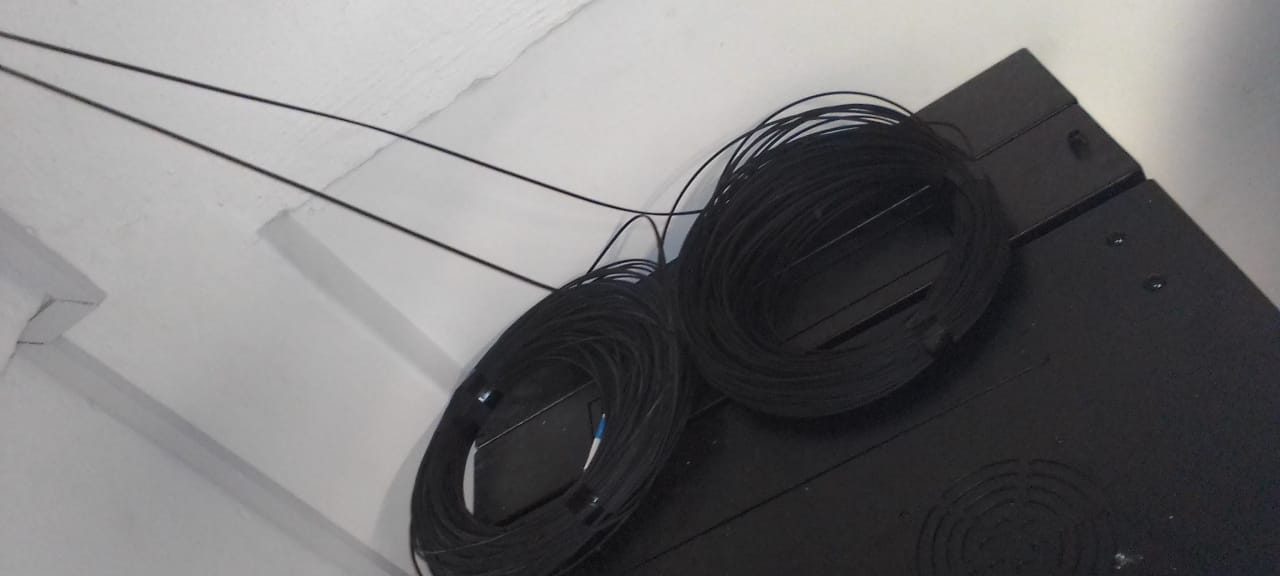
Existing cables can be valuable.
They can save labour, protect finishes and reduce unnecessary building work. In a retrofit or smart-home rescue, using what is already in the walls can be the right decision.
But only if those cables are properly identified first.
A cable in the ceiling is not a known cable
Finding a cable does not mean the cable is useful.
It may go somewhere unexpected. It may be damaged. It may be joined badly. It may have been installed for a different purpose. It may be too short at the head end. It may not be the correct type for the new equipment.
Before reuse, the cable needs to be traced and tested.
Assumption is where retrofit projects become expensive.
Old routes often tell a story
Older homes may have several generations of technology hidden inside them.
RF TV distribution, old alarm cabling, unused speaker cables, previous Wi-Fi points, old CCTV routes, disconnected intercom wires, redundant phone cables and unknown control wires can all exist in the same ceiling.
Some may be useful.
Some should be left alone.
Some should be removed or clearly marked as redundant.
Testing protects the new system
A modern system should not be built blindly on old infrastructure.
If an existing cable is reused for a camera, access point, speaker or control device, it should be tested before the design depends on it. If it fails later, the client may blame the new system even though the hidden cable was the weak point.
Good testing separates opportunity from risk.
Labels matter more in retrofit work
Retrofit projects need strong labelling.
When cables were installed years apart by different people, labels become the only way to make sense of the system. A cable should be marked at both ends where possible. The documentation should show whether it is new, reused, spare or abandoned.
This helps the next technician understand what was decided.
Reuse should be a design decision
Reusing a cable is not automatically good or bad.
Sometimes it is the best value decision. Sometimes it creates more risk than it saves. The right answer depends on cable type, route, condition, access, device requirement and future support.
The client deserves that explanation.
Saving money should not mean inheriting uncertainty.
DG Technologies’ view
DG Technologies often looks for ways to keep useful existing infrastructure.
But useful means proven. If an old cable can be traced, tested and documented, it may become part of a sensible upgrade path. If it cannot be trusted, the honest answer may be to run a new cable.
Old routes can save money.
Only good judgement decides which ones should be used.