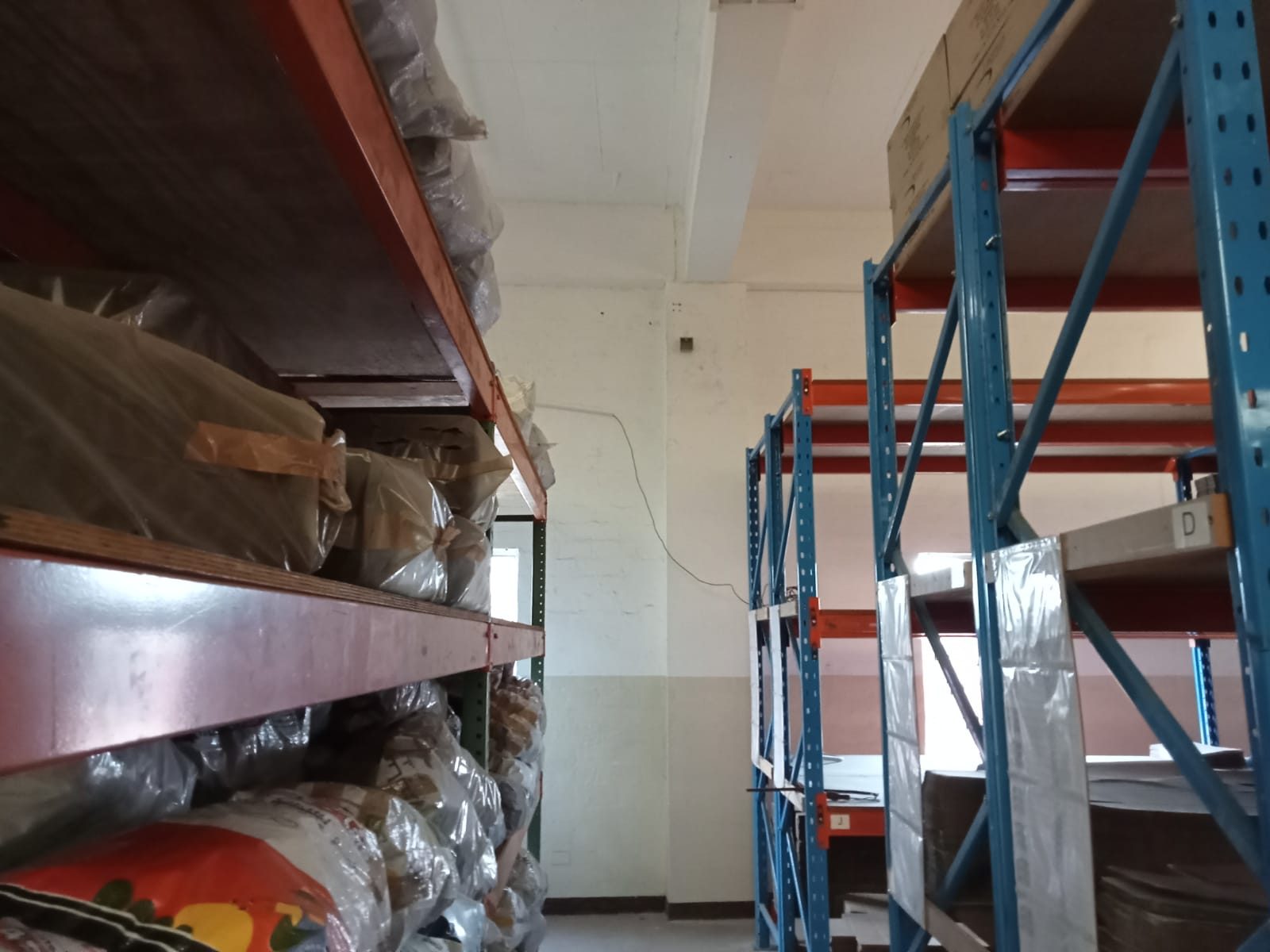
Not every commercial CCTV camera is there to watch a doorway.
On industrial sites, some cameras have a much more specific job.
They may need to watch a fixed rack, a loading point, a dispatch area, a forklift path, a goods cage or a narrow operational zone where mistakes become expensive.
That changes the design.
The camera is no longer just part of a security blanket. It becomes an operational tool.
A wide view is not always the useful view
Wide cameras make people feel comfortable because they show a lot.
But showing a lot is not the same as showing what matters.
If the question later is, “What happened at this rack?”, the footage must answer that question clearly.
That may require a tighter view, a different lens, a different mounting height or more than one camera.
The design should start with the incident the client may need to investigate.
Industrial sites have different viewing priorities
In a home, CCTV often focuses on gates, driveways, doors and perimeter areas.
In a warehouse or cold store, the priorities can be different:
- product movement
- loading and offloading
- rack access
- staff workflow
- vehicle movement
- dispatch disputes
- stock handling
- blind corners
- high-risk operational zones
The camera plan should reflect how the site works, not only how the building looks.
The people using the footage matter
A CCTV system should be designed for the people who will actually use it.
That may be the owner, operations manager, warehouse supervisor, security manager or dispatch team.
Each of those people may need different views.
One person wants to know whether a vehicle arrived.
Another wants to know whether the correct pallet left.
Another wants to confirm what happened near a specific rack.
If the camera names and views do not match the way the business speaks, footage retrieval becomes slower and more frustrating.
Camera placement must survive the site
Warehouses are hard on cameras.
There are forklifts, pallets, ladders, high roofs, cold areas, dust, condensation, impact risk and people working around the equipment.
A camera view may look good during installation, then become useless when stock is stacked in front of it.
That is why industrial CCTV should consider:
- mounting height
- collision risk
- future stock positions
- lighting at different times of day
- condensation and temperature changes
- maintenance access
- cable protection
- where the camera can and cannot be reached
The lesson
Industrial CCTV is not just about camera count.
It is about evidence design.
If a camera is meant to monitor a fixed rack, it should be positioned, named, tested and signed off for that purpose.
The client should know what the camera can prove and what it cannot prove.
That is the difference between installing cameras and designing a useful CCTV system.