One of the most frustrating first-fix mistakes is a conduit that is technically present but practically unusable.
On paper, the route exists.
In the wall, there is a pipe.
But when the time comes to pull the actual cable, the connector head will not pass through, the bends are too tight, the draw wire is missing, or there is no accessible draw box.
That is why fibre, TV and AV conduits must be planned around the installed cable assembly, not just the cable diameter.
For architects, builders and electricians, this is a small detail that can protect the project from expensive rework later.
The connector is often larger than the cable
A fibre cable may be thin. The fibre connector or pre-terminated head is not.
The same applies to many AV paths. The cable itself may seem manageable, but the HDMI connector, extender tail, pull head or required bend radius changes what the conduit must accommodate.
If a conduit is selected only because the bare cable looks small, the installation can fail at the worst possible time: after plastering, ceilings, cabinetry or exterior finishes are complete.
At that point the options are usually poor. The team may need to open walls, surface-mount cable, reroute externally, or compromise the intended system design.
Good planning prevents that.
TV points need direct, serviceable routes
TV points in premium homes are no longer only for a coax cable.
A modern TV location may need HDMI extension, network, control, fibre consideration, audio return, spare capacity and future device changes. If the equipment rack or head-end is elsewhere, the TV point becomes part of a larger infrastructure plan.

For many projects, DG Technologies recommends a direct conduit route from each major TV point to the head-end or relevant equipment location, with proper draw access where required.
The route should avoid unnecessary loops, tight bends and hidden junctions. If there are too many bends, an accessible draw point should be added.
The important word is accessible. A draw box buried behind fixed joinery or a sealed ceiling is not useful later.
For more detailed first-fix guidance, see our low-voltage first-fix requirements for architects.
Fibre should be treated as critical infrastructure
Fibre is not an afterthought.
For many homes, the internet connection supports Wi-Fi, CCTV remote viewing, streaming, automation, app control, gate access, intercoms and remote support. If the fibre route is weak, the whole technology layer is affected.
A proper fibre route should consider the external fibre entry point, the path to the head-end, draw access, separation from high-voltage services, bend radius and future replacement.
It is not enough to say, “There is a pipe from outside to inside.”
The question is whether the fibre team can actually use it without damaging the cable or the finishes.
Draw wire and draw boxes are not optional details
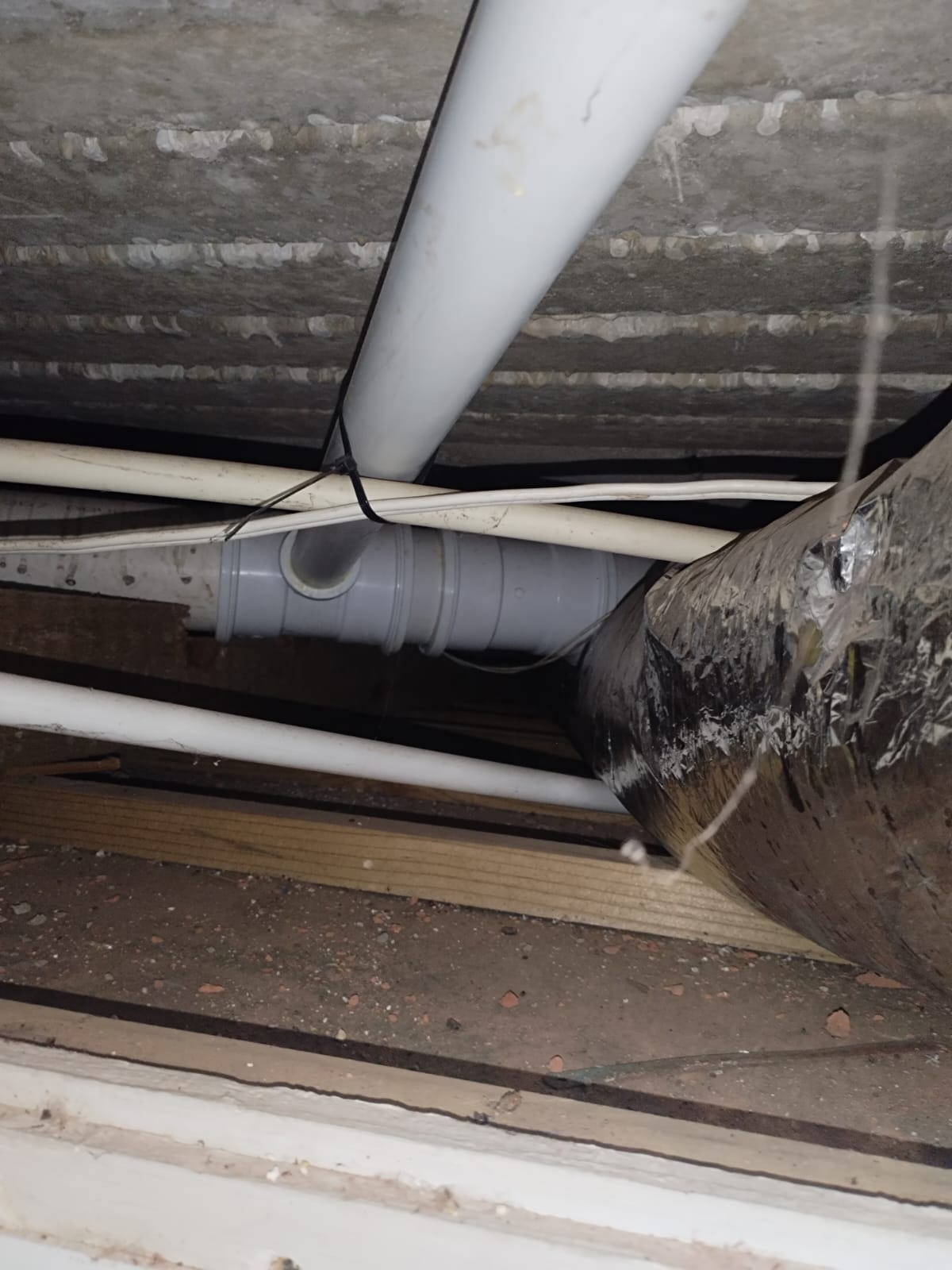
Every low-voltage conduit route should be installable and serviceable.
That means draw wire must be provided, and draw boxes should be added where the route requires them. Long runs, multiple bends and changes in direction all increase pulling difficulty.
If a cable cannot be replaced later, the conduit has not done its job.
This matters in high-end homes because technology changes. A cable that is suitable today may not be suitable in ten years. The conduit system should give the owner a route to upgrade without destroying finished interiors.
That is why technology planning before finishes is so important.
Head-end location changes the entire conduit plan
Every serious AV and smart home design needs a head-end: the cabinet, rack or equipment room where networking, control, distribution and recording equipment are located.
Once the head-end is confirmed, conduit routes can be designed properly.
Without that decision, TV points, access points, fibre, dish feeds, CCTV and audio routes often become guesswork. Guesswork leads to double work.
A head-end should be accessible, ventilated, large enough, protected from moisture and positioned so cable distances remain sensible.
For large homes, this is not only a technical issue. It is an architectural coordination issue.
The cheapest conduit decision can become the most expensive mistake
Conduit is inexpensive compared with finished ceilings, imported tiles, cabinetry, wallpaper, stone cladding and paintwork.
If the wrong conduit is installed, the cost is not the pipe. The cost is the rework.
That is why architects should involve the AV and network team early enough to confirm route sizes, head-end position, draw points and equipment requirements before the building closes.
Good network infrastructure starts long before the access points are installed. It starts when the building still gives us a chance to hide the correct routes properly.