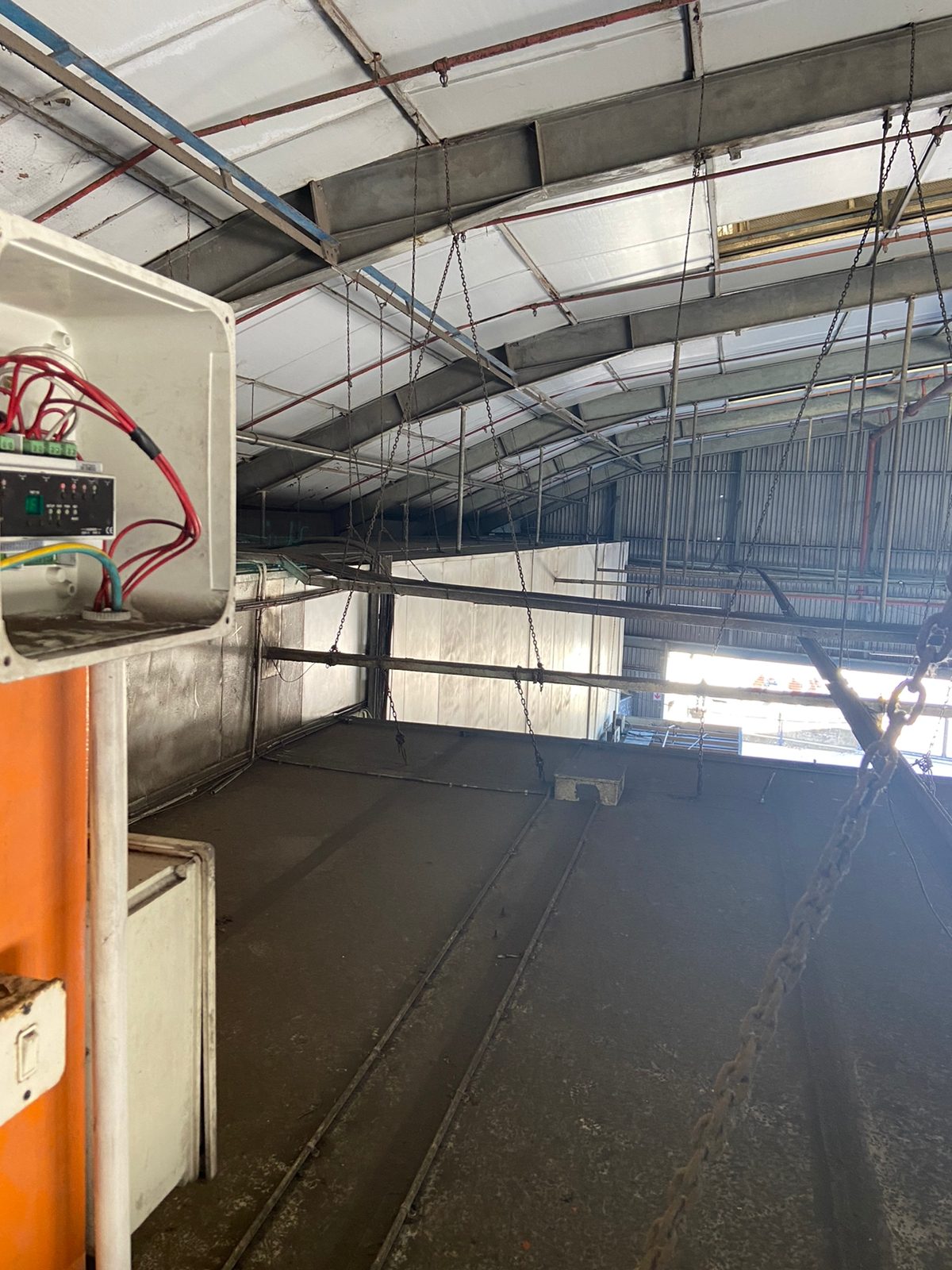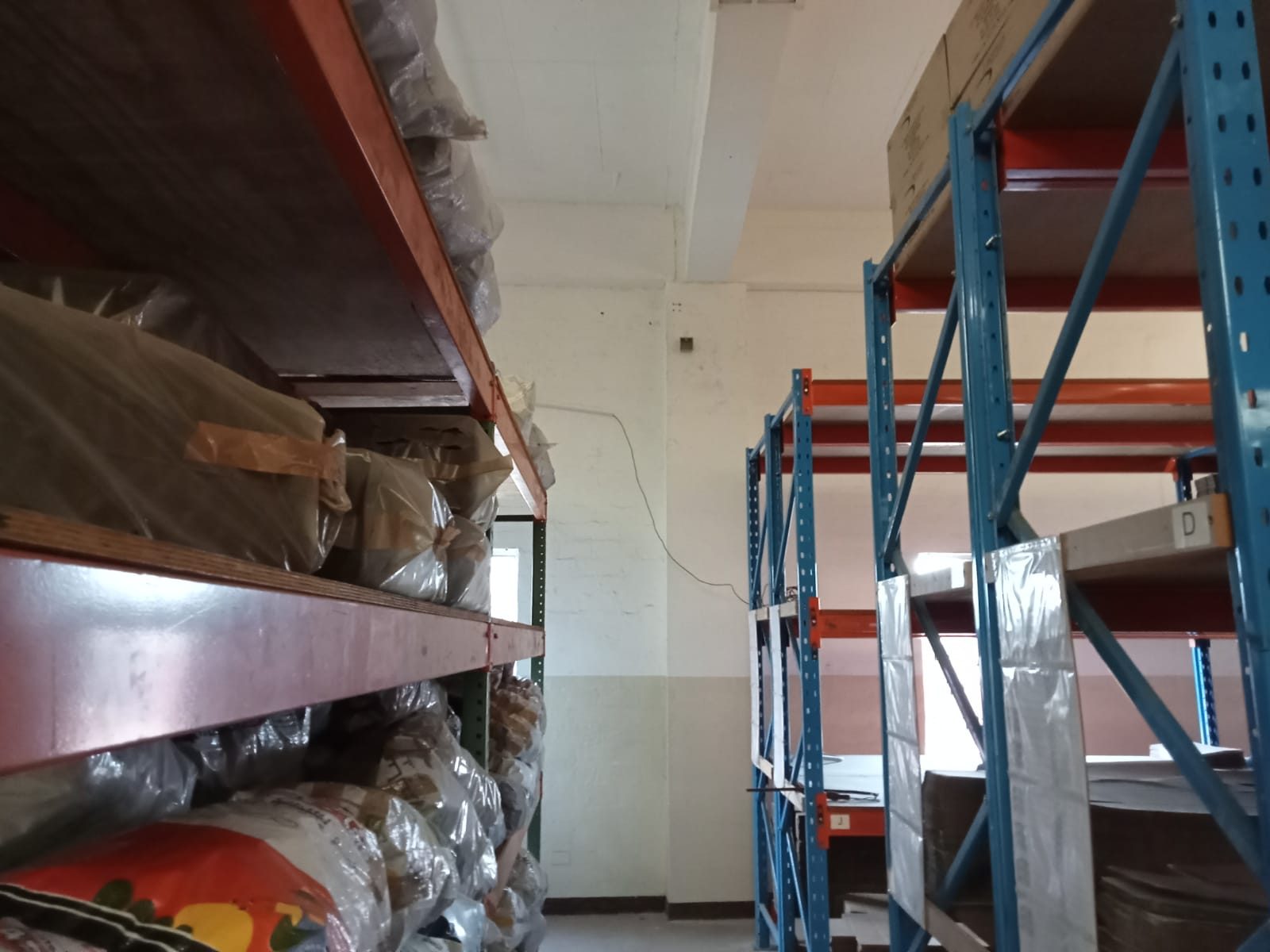
CCTV installation for a business is different from CCTV installation for a small home.
The system is not only there so somebody can look at a camera on a phone. It may support security, staff safety, access control, stock movement, deliveries, cold rooms, loading bays, after-hours incidents and operational disputes.
That changes the design.
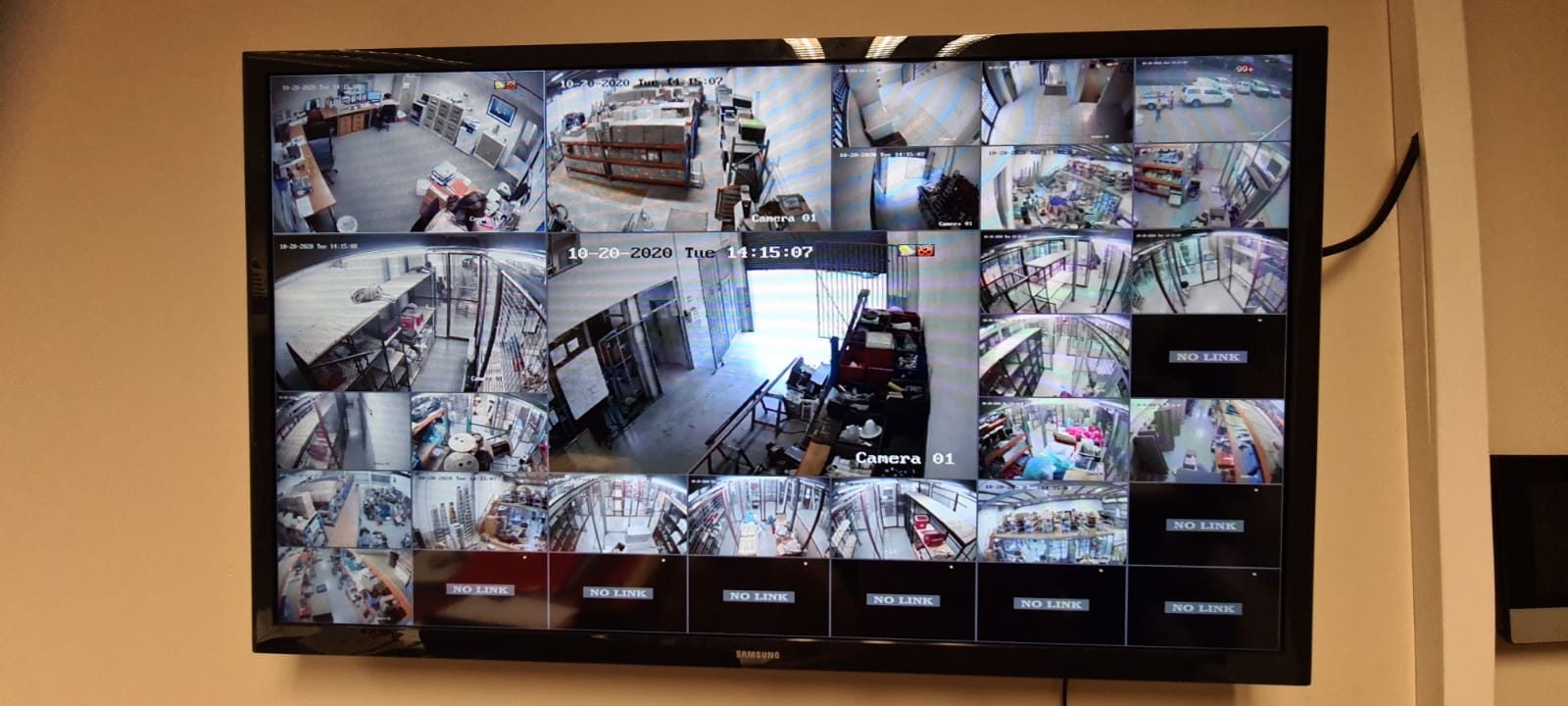
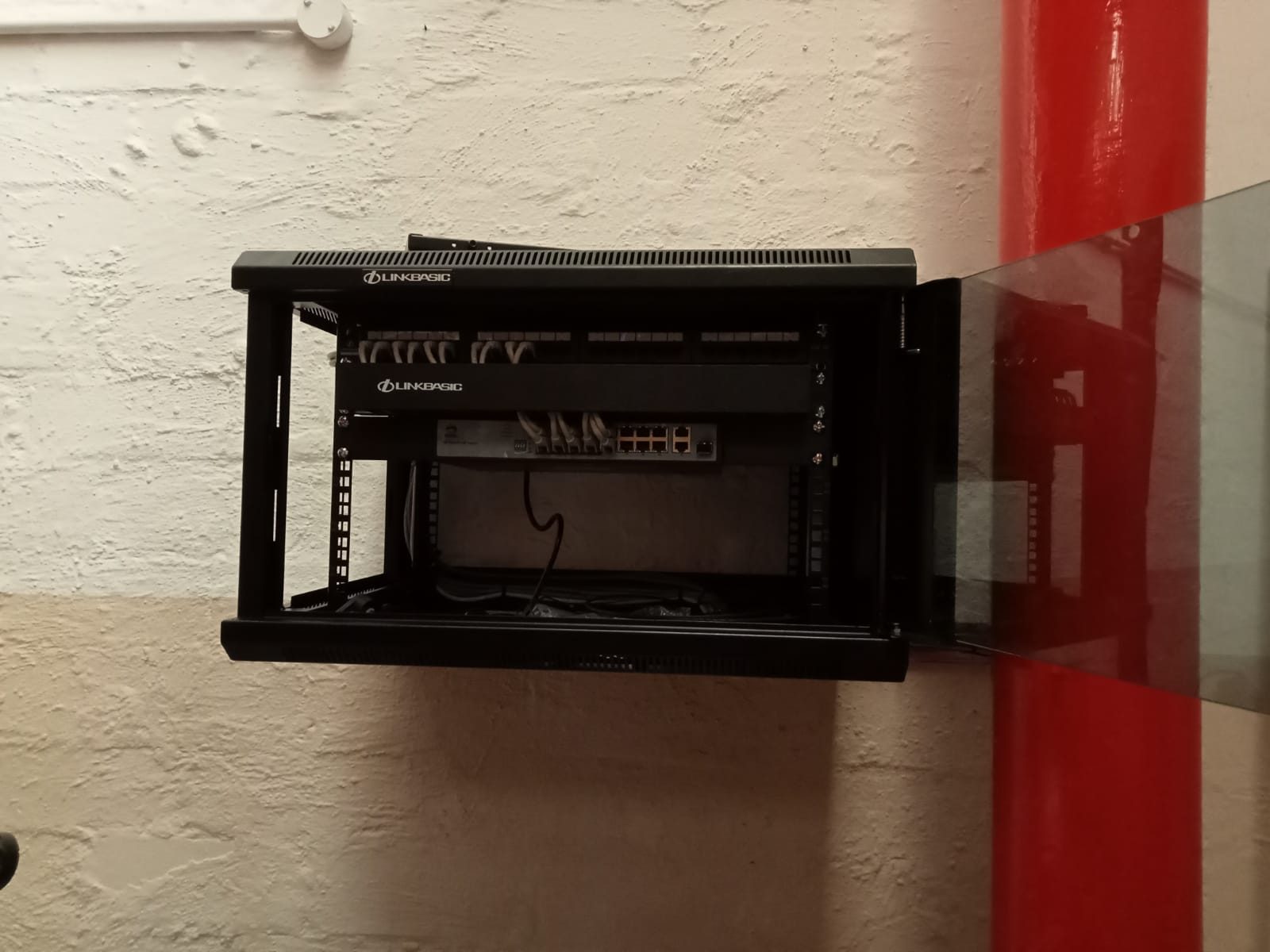
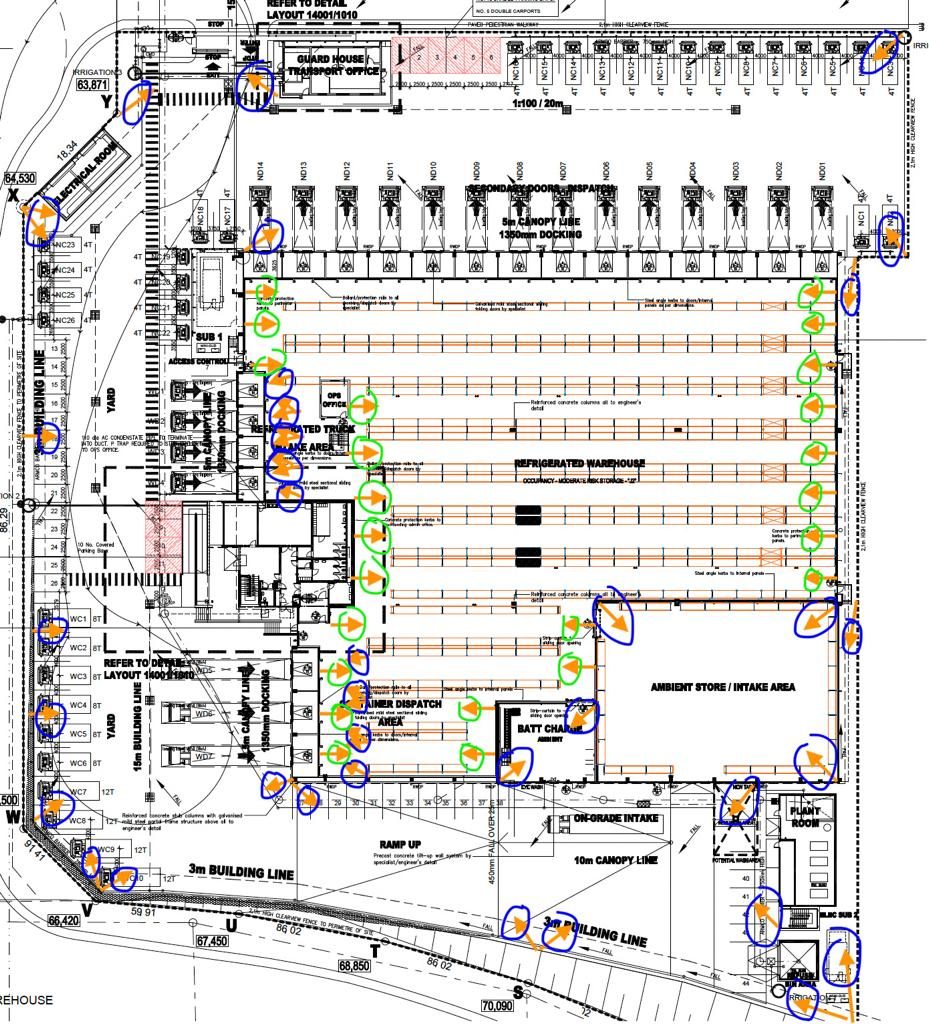
DG Technologies has worked on commercial CCTV environments where the camera system was part of a much larger infrastructure picture: cabinets, fibre links, PoE switches, recorder capacity, access control, labelling and support. On a business site, CCTV cannot be treated as a quick camera package. It has to be designed as a working system.
Our CCTV installation service covers homes, estates and commercial premises across Durban and KZN.
Business CCTV starts with operational risk
For a business, the first discussion should be about risk and workflow.
Where do incidents happen? Where do deliveries arrive? Where do staff enter and leave? Where does stock move? Which areas are public, semi-public or restricted? Where do vehicles queue? Which doors or gates matter most?
A useful commercial CCTV system may need to cover:
- entrances and exits
- reception areas
- loading zones
- dispatch areas
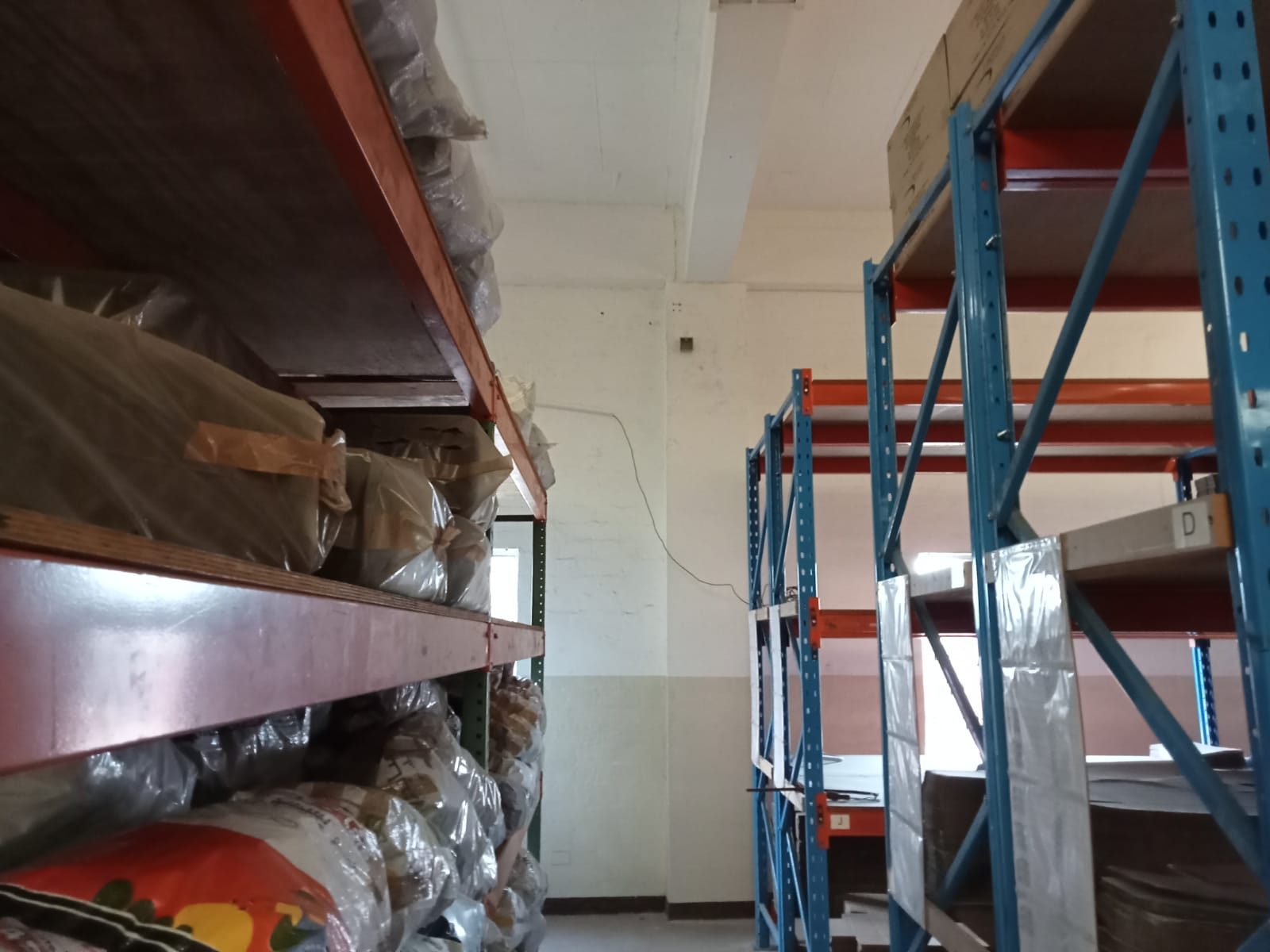
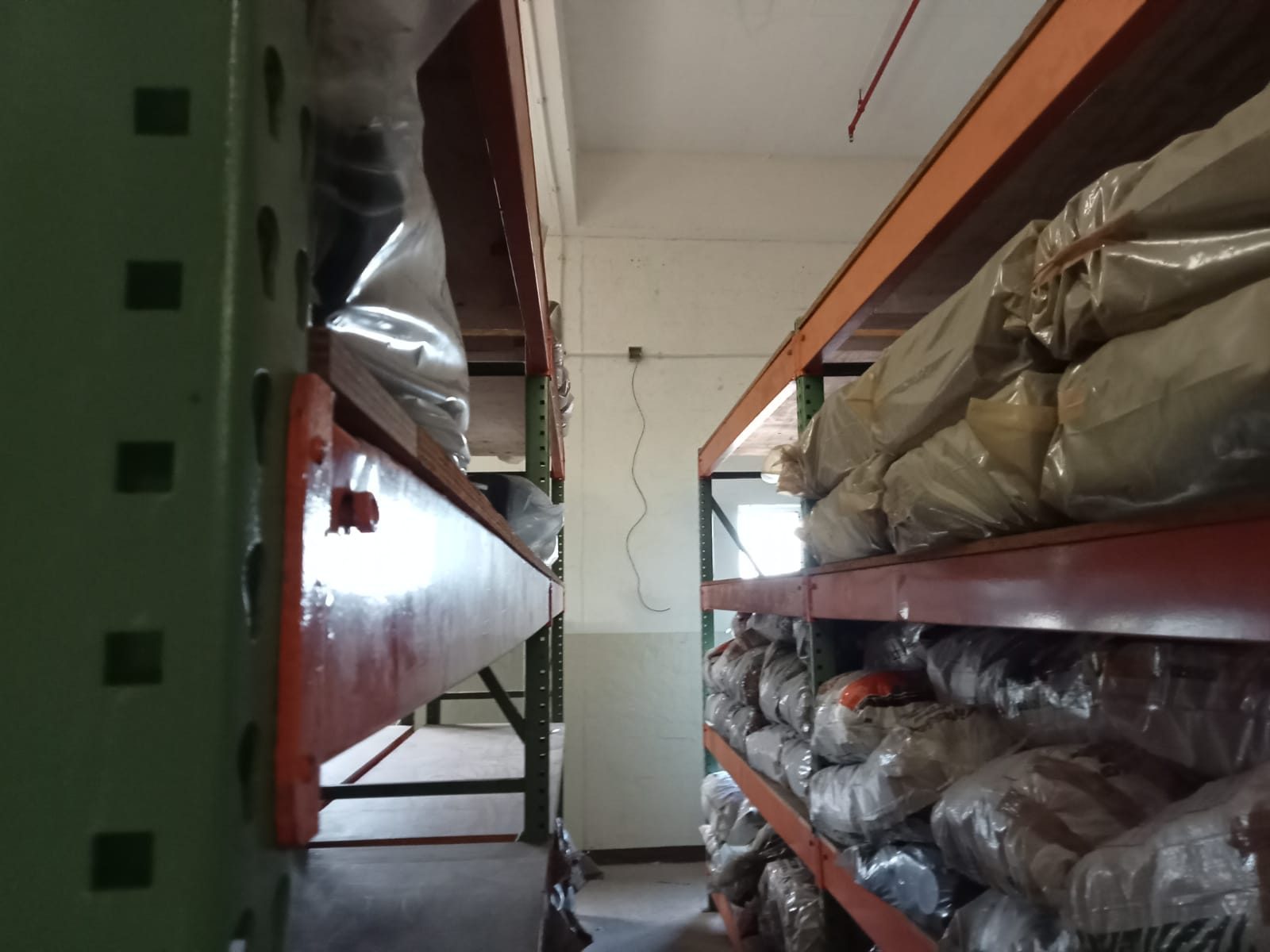
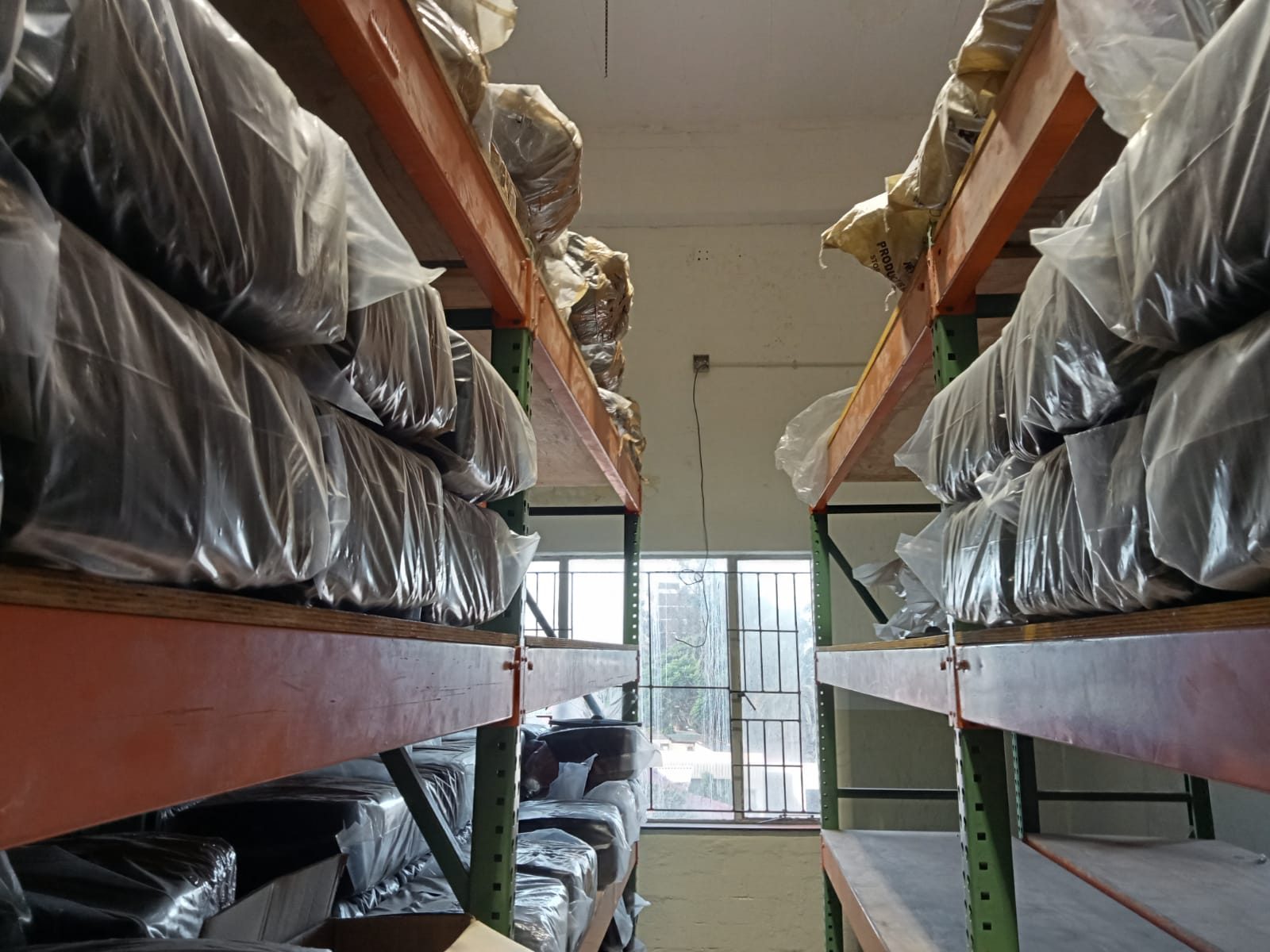
- warehouses
- cold rooms
- offices
- cash or stock handling areas
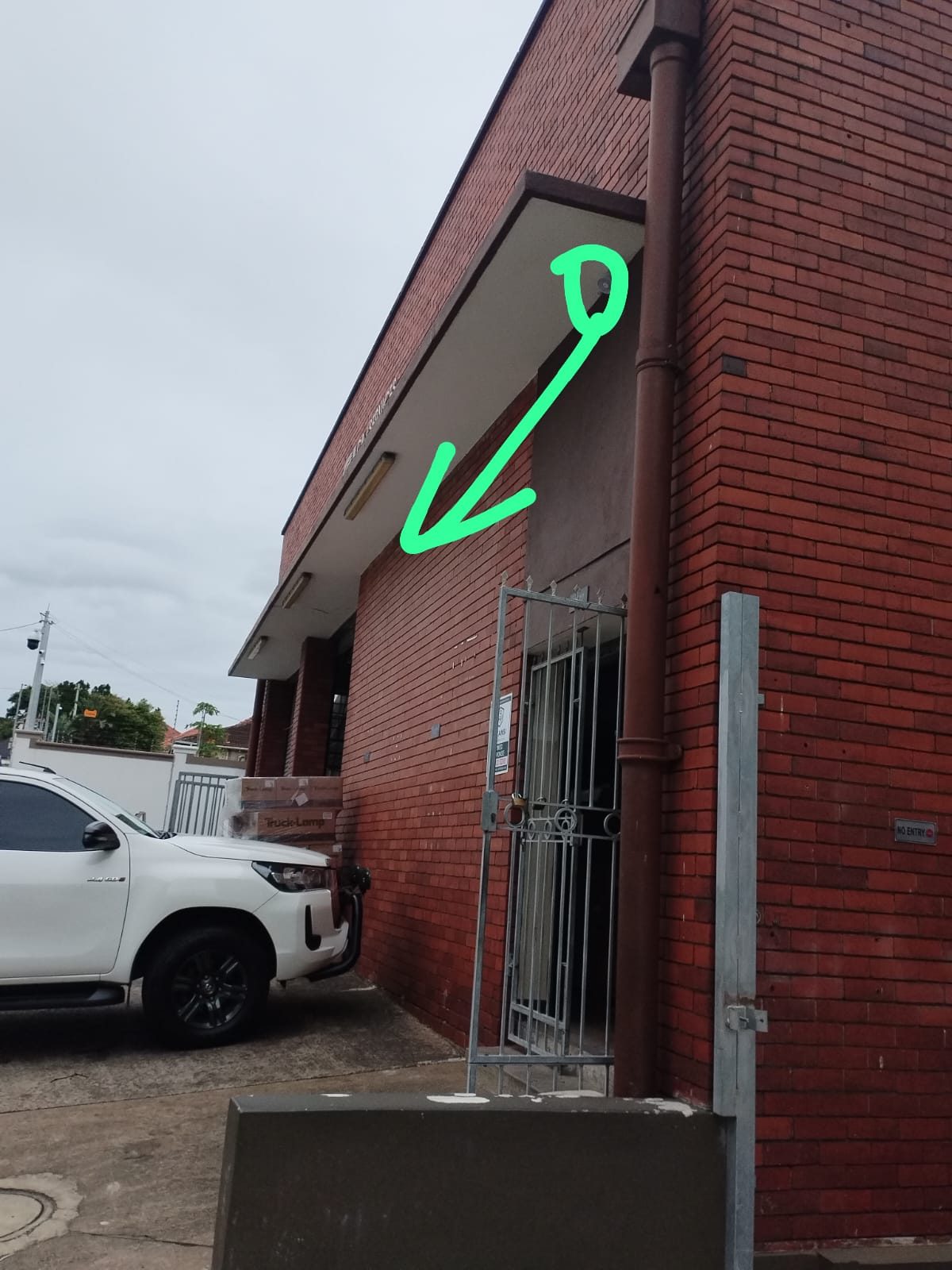
- perimeter approaches
- gates and vehicle routes
- server rooms or equipment areas
Those views are not all the same. Some need wide awareness. Some need facial detail. Some need process evidence. Some need a clear view of a specific door, bay, roller shutter or work area.
The right camera plan comes from understanding how the business operates.
Storage and retention matter more in business systems
Many small CCTV quotes mention a hard drive but do not explain retention properly.
For a business, retention can matter a lot.
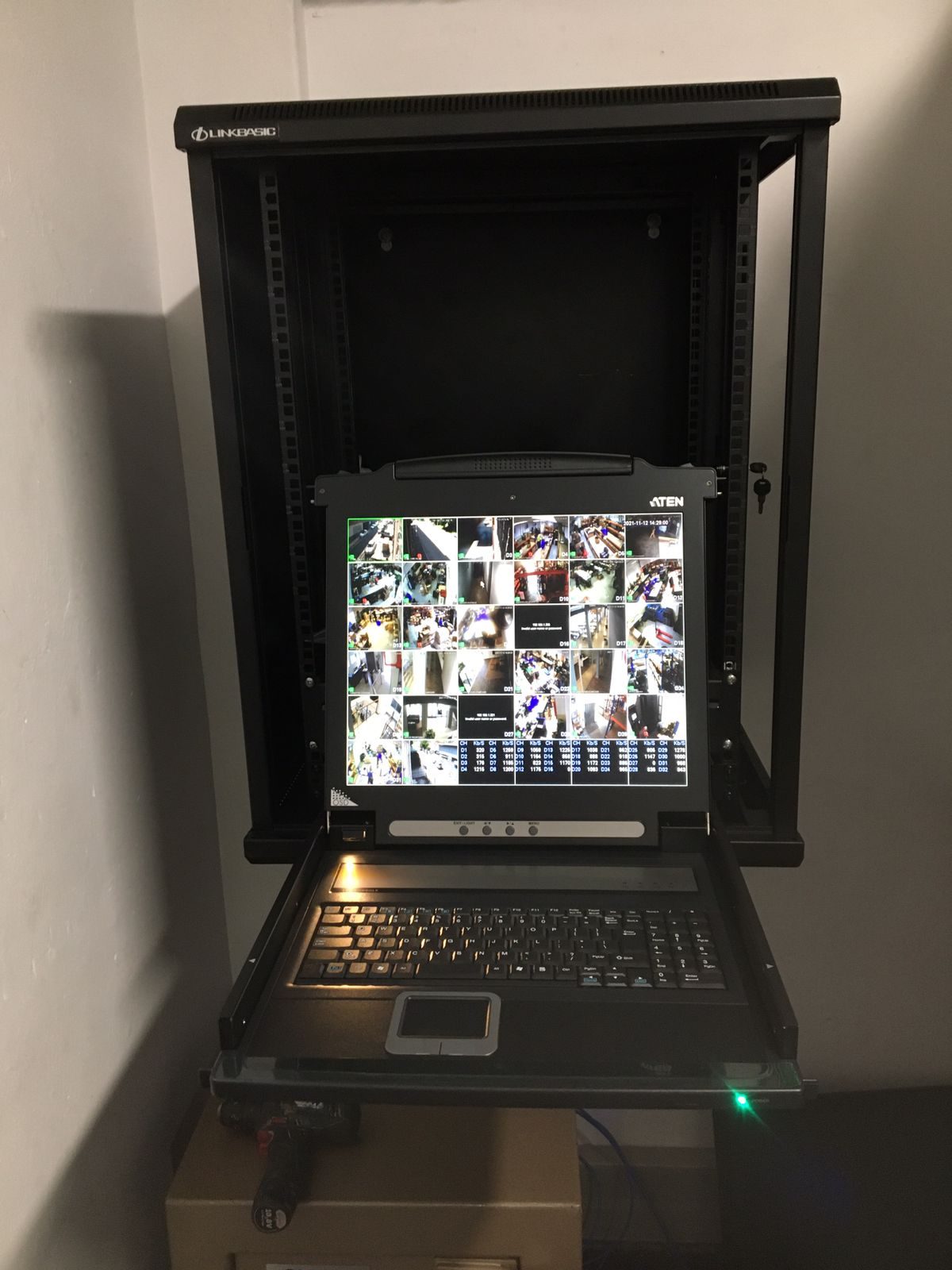
If an issue is discovered two weeks after it happened, is the footage still available? If a manager needs to review a delivery dispute, can the footage be found quickly? If a staff incident happens over a weekend, is the system still recording?
Retention depends on:
- number of cameras
- resolution
- frame rate
- compression
- motion or continuous recording
- recording schedule
- hard-drive capacity
- camera analytics
- how often footage is reviewed
There is no point installing high-resolution cameras if the recorder cannot store footage for the period the business expects. There is also no point recording everything if nobody can find the relevant footage efficiently.
The network must be designed for cameras
Commercial CCTV often uses IP cameras. That means the network is part of the camera system.
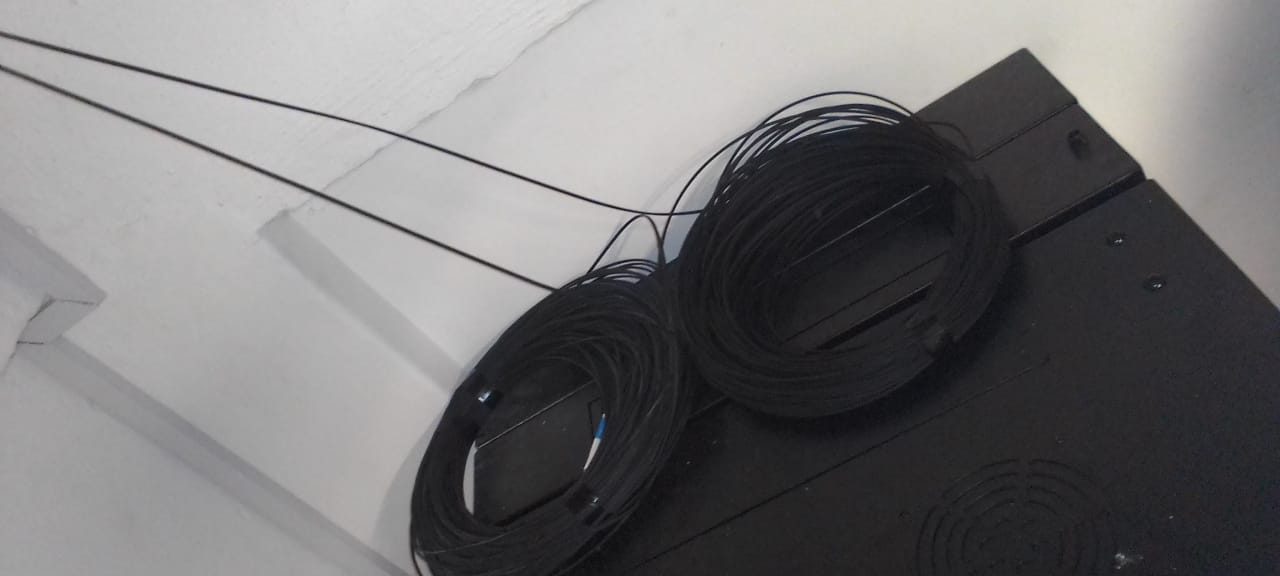
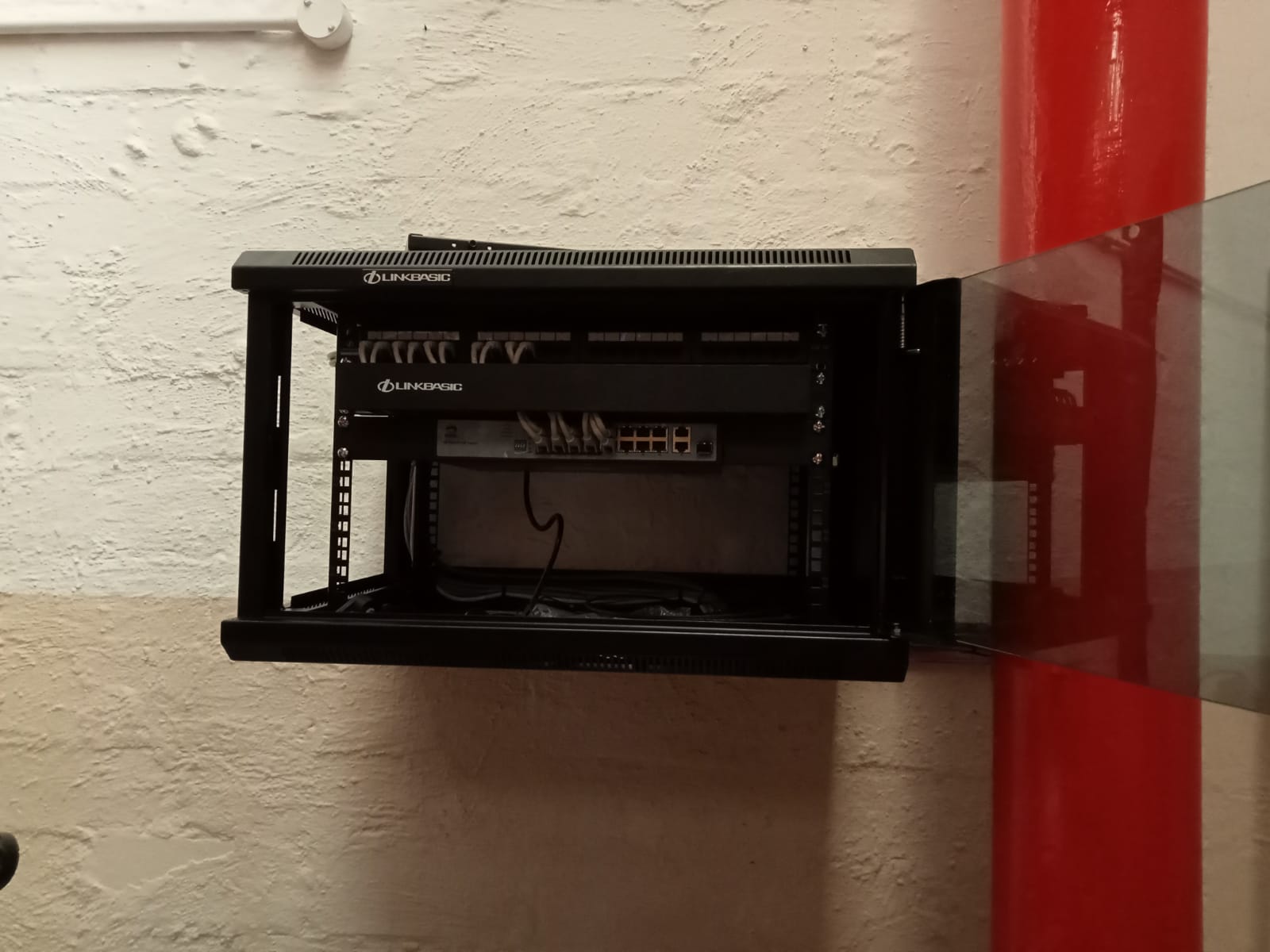
The design should consider PoE power, switch capacity, VLANs where needed, fibre between buildings, cabinet locations, cable distances and whether the recorder can see cameras reliably across the site.
On larger premises, bringing every camera cable back to one place may not make sense. Intermediate cabinets, fibre uplinks or distributed switches may be required. That needs proper planning, especially when the site has multiple buildings, long cable runs or areas added over time.
This is why business CCTV should be planned with network infrastructure rather than treated separately.
Cabling, labelling and containment protect the investment
Commercial premises are hard on cabling.
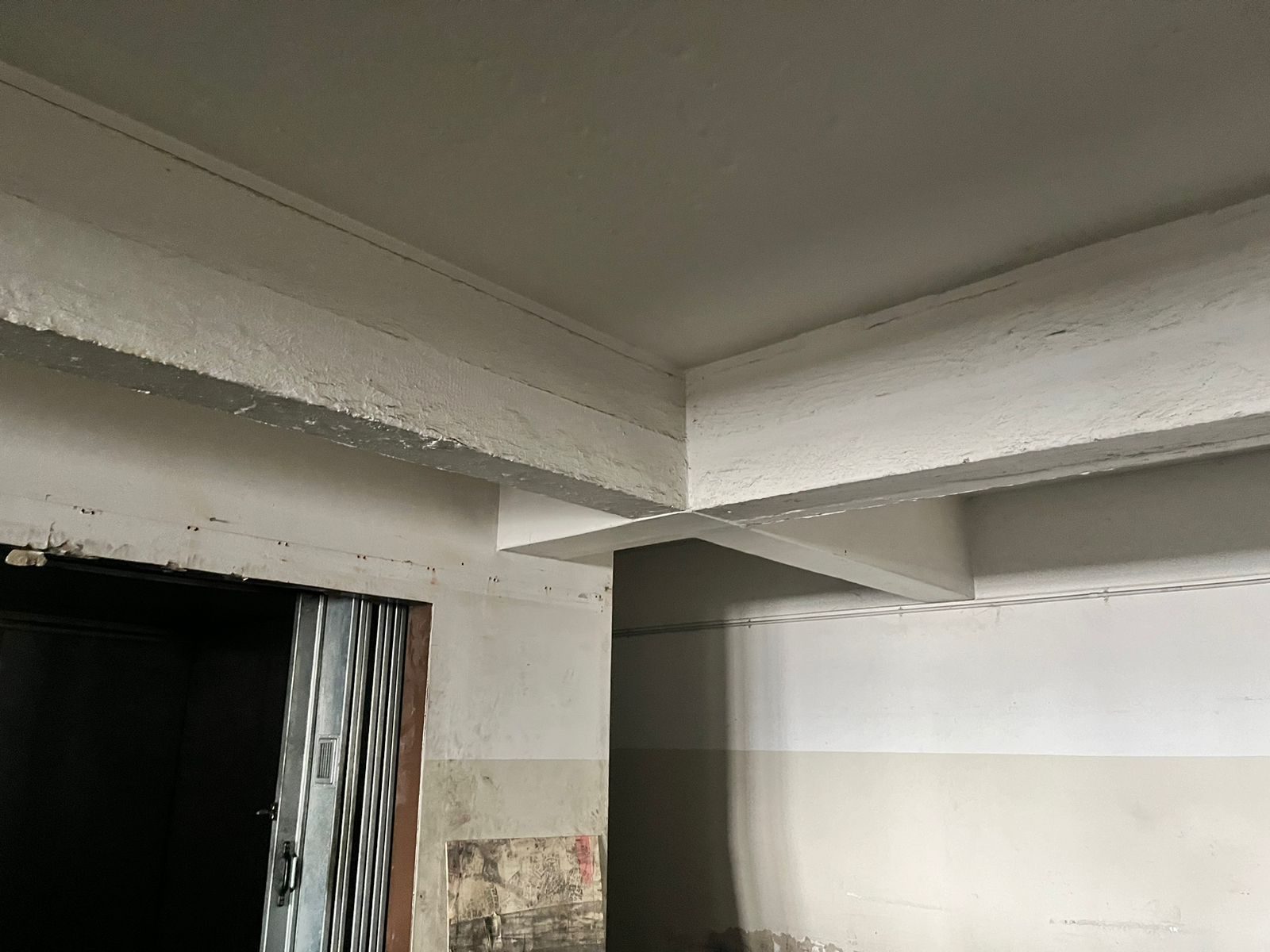
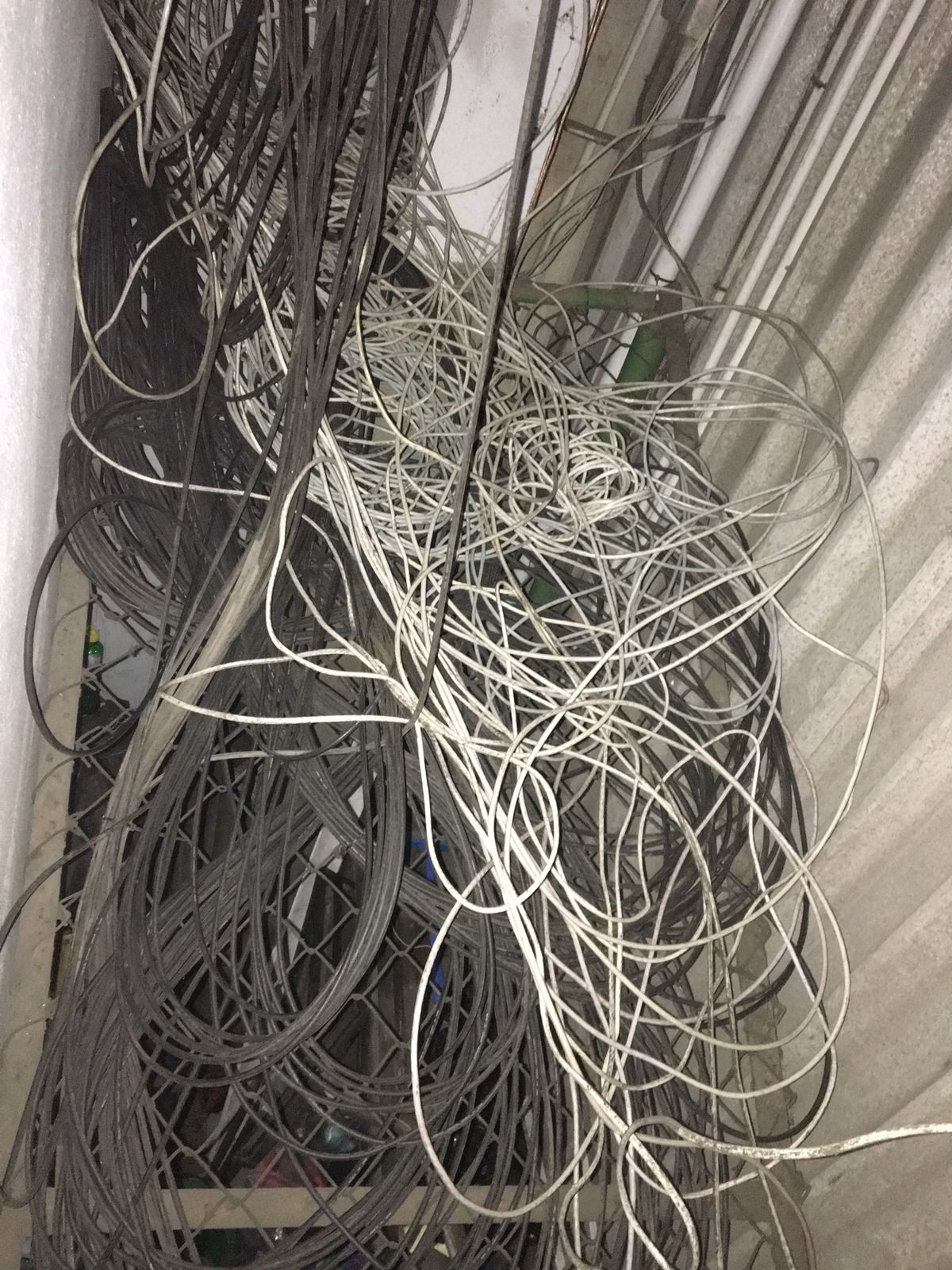
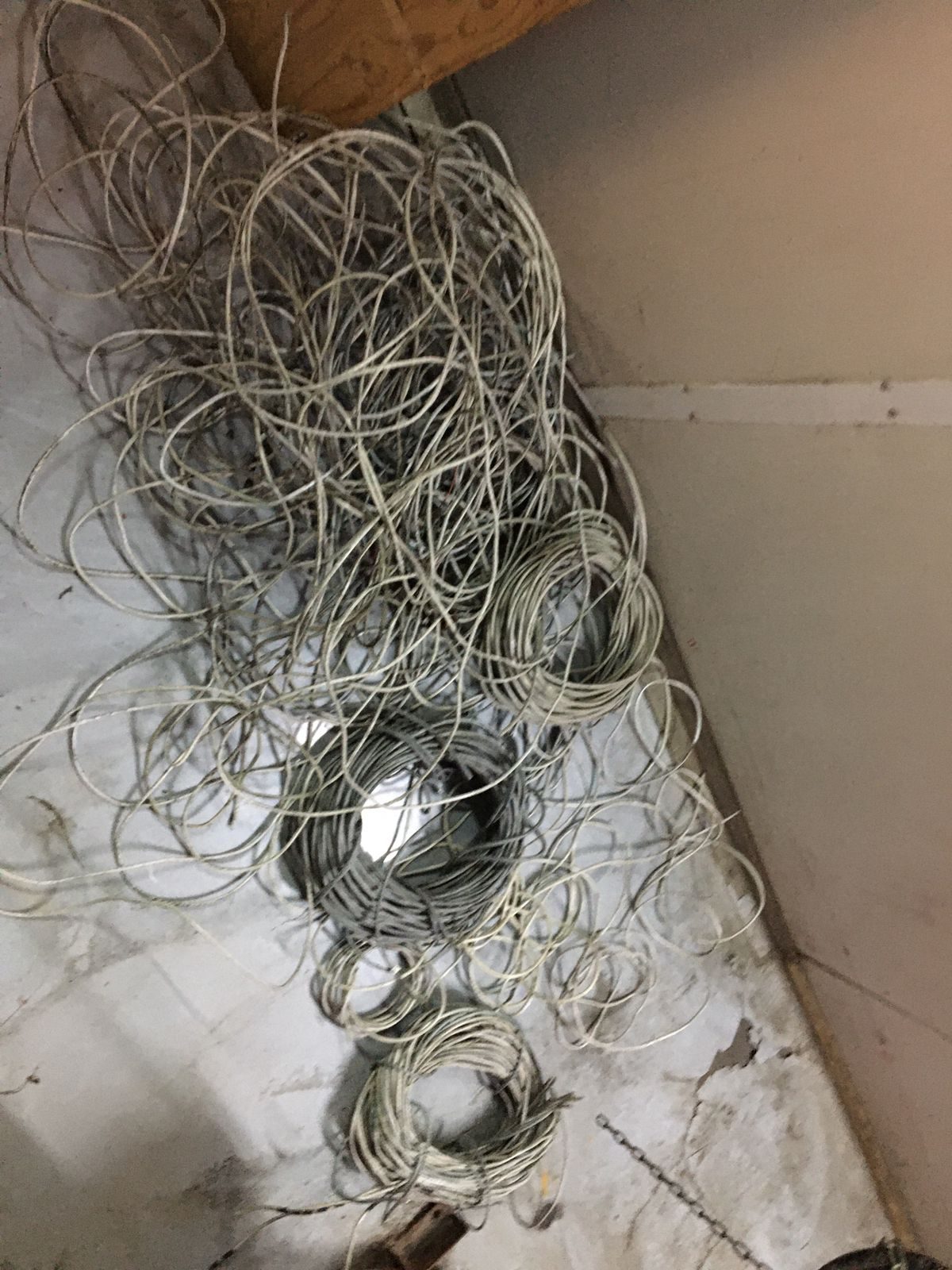
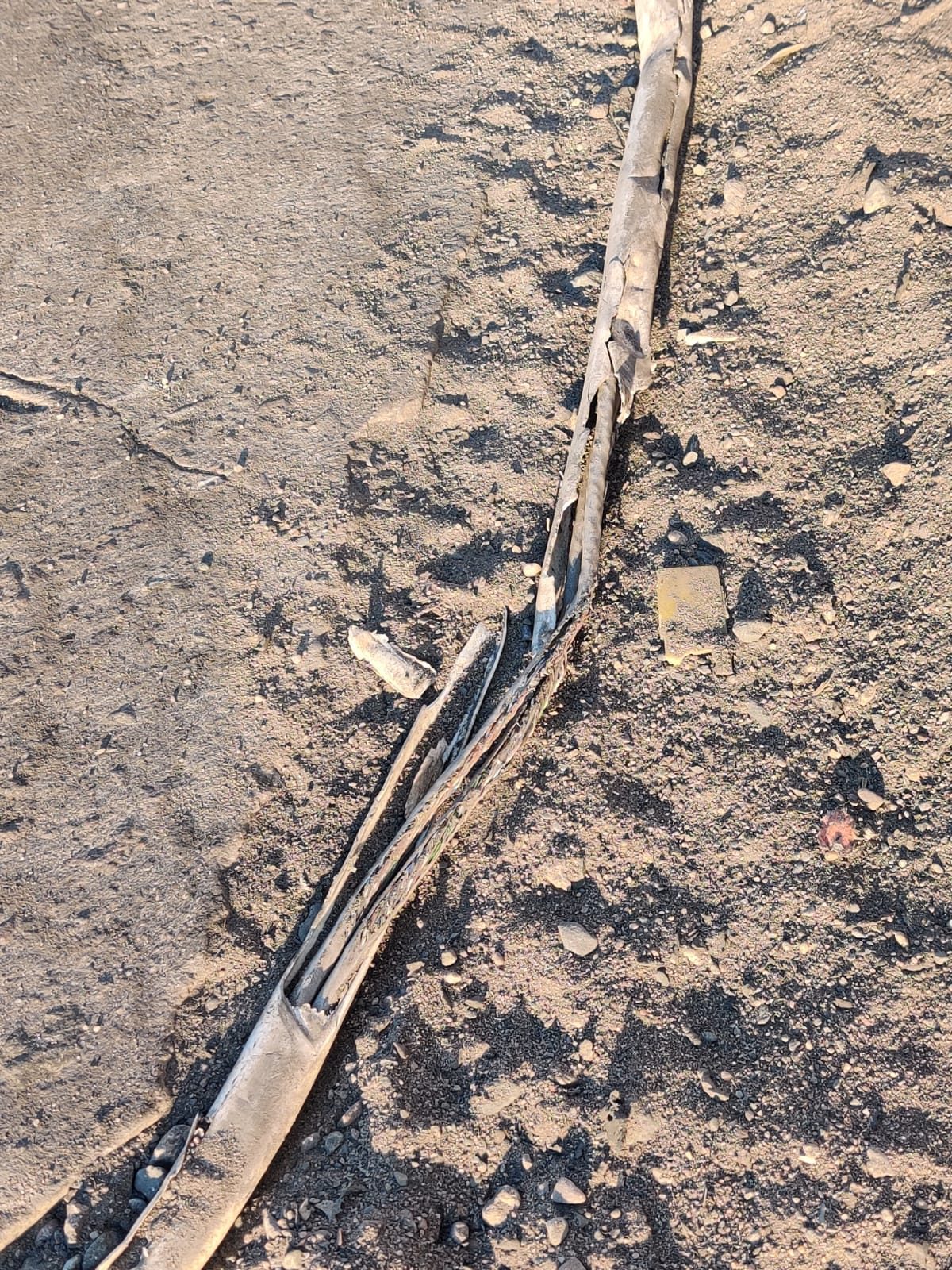
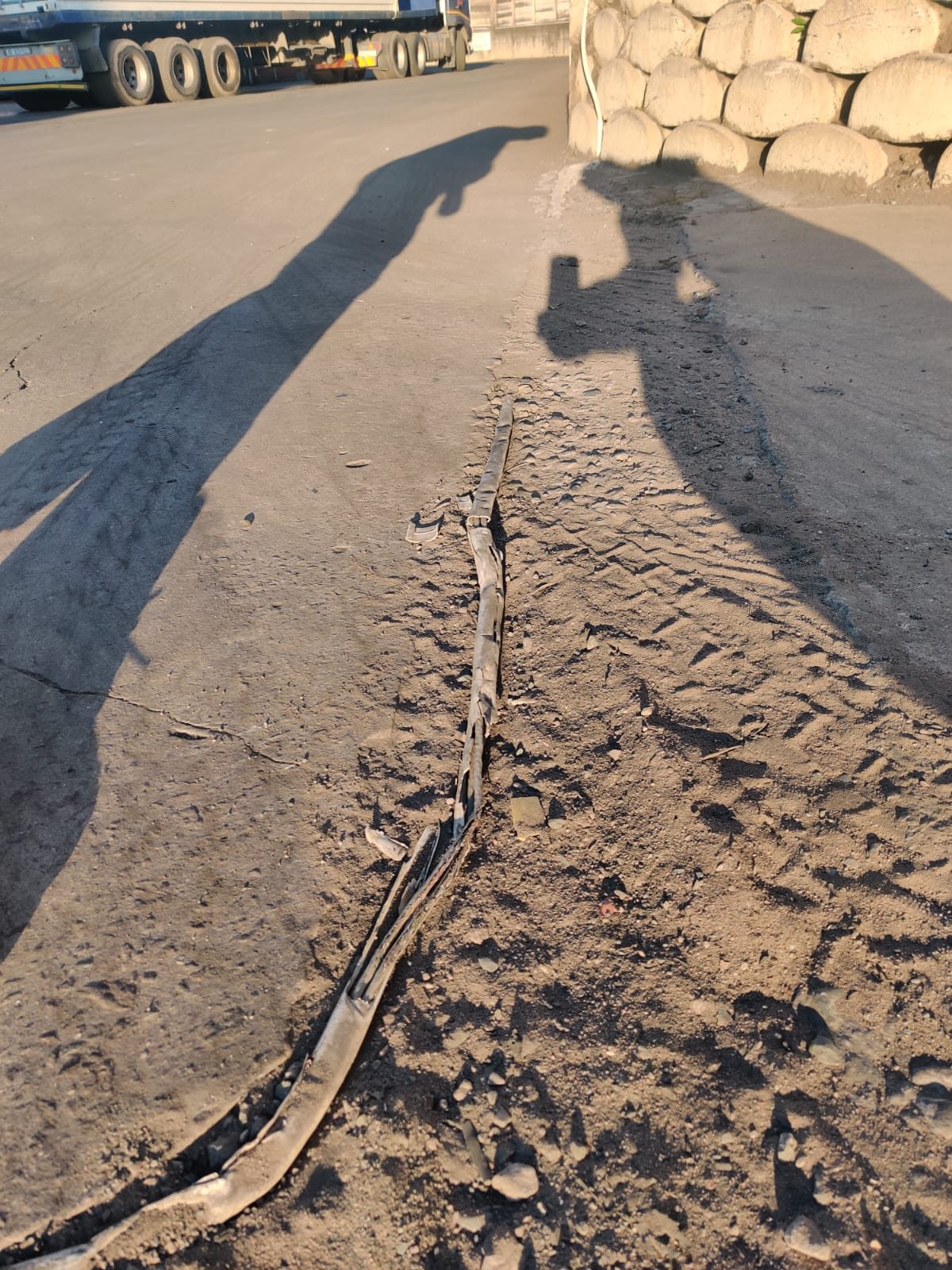
There may be forklifts, stock movement, maintenance teams, cleaning, ceiling work, refrigeration equipment, contractors and building changes. If cabling is exposed badly or unlabelled, the CCTV system becomes vulnerable.
Good containment and labelling help with:
- future camera replacement
- fault finding
- network changes
- recorder upgrades
- cabinet maintenance
- expansion
- support by another technician years later
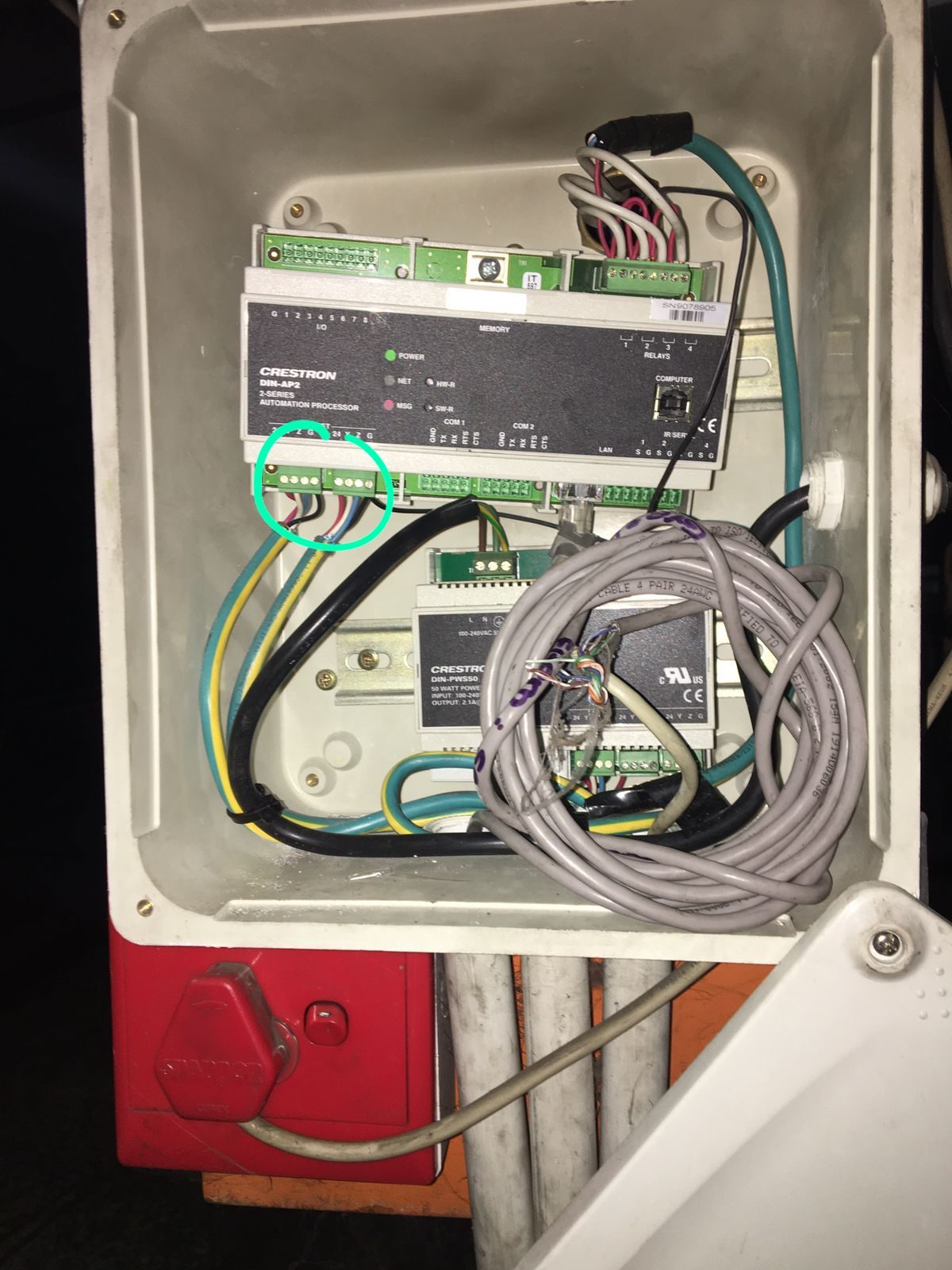
Neat cabling is not only cosmetic. It reduces confusion when the site is under pressure.
CCTV and access control should work together
Many business sites also need access control.
That may include staff doors, biometric access, gate control, warehouse entry, office areas or restricted rooms. CCTV should be planned so that important access events are visible.
If a door is controlled but there is no camera view of the approach, the business may know that a credential was used without seeing who actually entered. If a gate opens but the camera view is too wide, the footage may not identify the vehicle clearly.
Good design links access control and CCTV thinking together.
Remote access must be secure
Business owners and managers often want remote access to cameras. That is useful, but it must be controlled.
The system should have proper user permissions. Admin access should not be shared casually. Password ownership should be clear. Remote viewing should be configured securely. Staff access should be limited to what they actually need.
If the router changes or the fibre provider replaces equipment, the CCTV system should not become a mystery. The network and remote access setup should be documented.
What businesses should ask before approving CCTV
Before approving a commercial CCTV quote, ask:
- What does each camera need to capture?
- How many days of footage will be stored?
- Is recording continuous or motion-based?
- Is the network designed for the camera load?
- Are switches and recorders protected by UPS?
- Are cables labelled?
- Are cabinet locations serviceable?
- Can the system expand later?
- Who manages remote access?
- How quickly can footage be retrieved?
A business CCTV system should help when there is pressure, not only look good on the day it is installed.
For Durban and KZN businesses, DG Technologies designs CCTV around security, operations, infrastructure and long-term support.
Field images from DG site work