Temporary construction Wi-Fi has a job.
It lets contractors send messages, download drawings, test devices, update apps and keep a site moving. It is often installed quickly, with practical coverage where people are working.
That does not mean it should become the final home network.
Construction use is not family use
A building site is used differently from an occupied home.
Contractors gather in different places. Rooms are empty. Doors are open. Furniture is missing. Outdoor areas may not be finished. The final bedroom, study, cinema, patio and guest-suite usage patterns have not yet appeared.
The network that helped the site function is not automatically the network the family should live with.
Temporary settings can become forgotten settings
During construction, networks may be shared widely.
Contractors, suppliers, site managers, trades and temporary devices may all know the Wi-Fi details. The network name may be informal. Access rules may be loose. The router may be in a temporary location. Devices may be adopted quickly just to get testing done.
Those settings should not drift into final handover without review.
The final network needs commissioning
Before the owner moves in, the network should be treated as a finished system.
That means correct names, proper guest access, device separation where appropriate, access point tuning, documented controller ownership, UPS planning, rack tidy-up, updated credentials and removal of construction-only access.
The final network should reflect the completed home.
Temporary hardware should be reviewed
Sometimes temporary equipment remains useful.
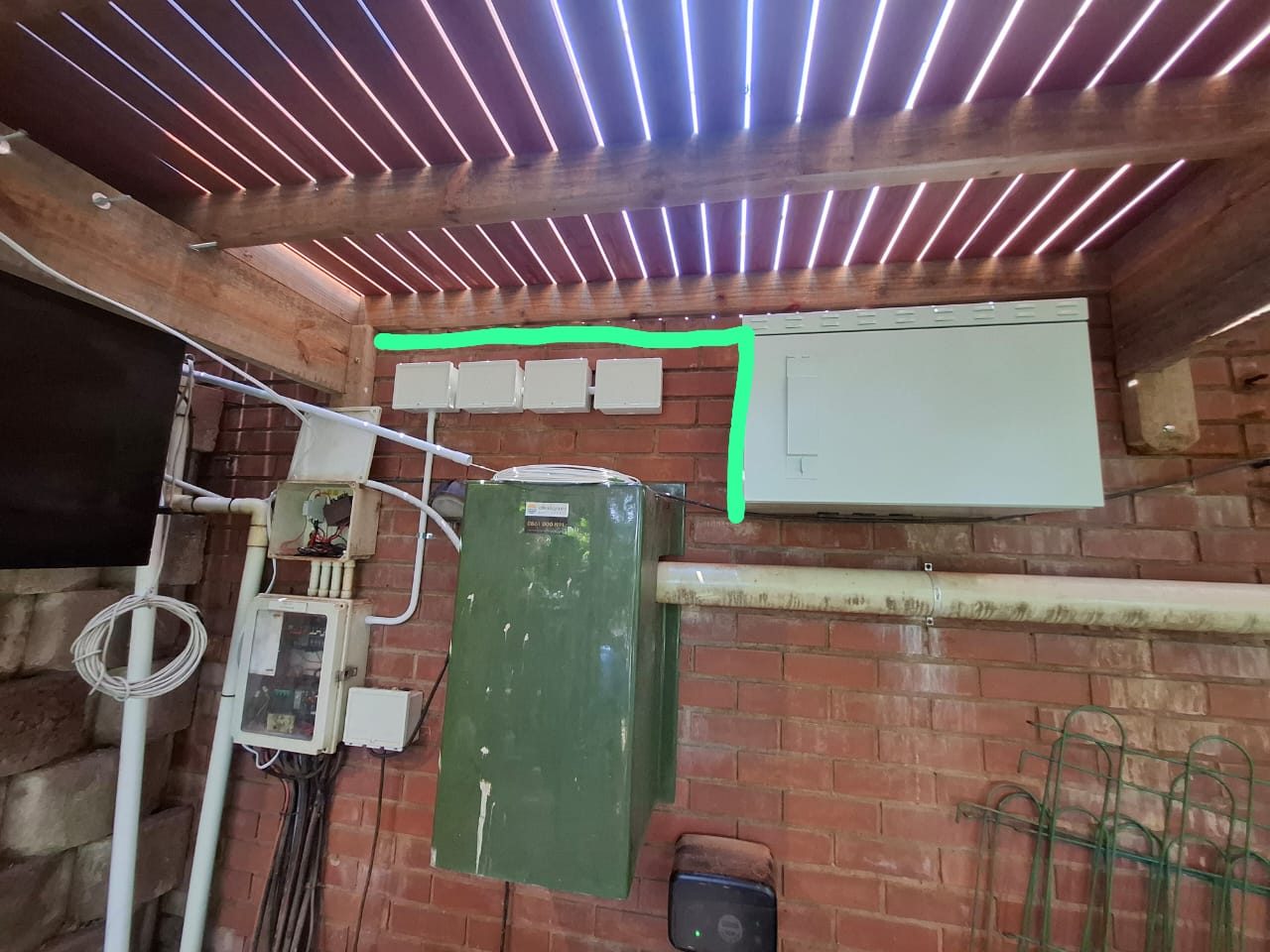
Sometimes it should be removed. A small site router, old access point or temporary switch may have helped during construction but should not sit inside a premium home as a hidden weak point.
Every temporary piece should be either formally adopted into the final system or removed.
DG Technologies separates site convenience from finished infrastructure
At DG Technologies, we understand why temporary Wi-Fi is useful during construction.
But final home networks require a different standard. The occupied home needs security, stability, naming, support, documentation and coverage based on how the property will actually be used.
Temporary should not quietly become permanent.