Homeowners often ask which router they should buy.
In a large home, that is usually the wrong first question.
The router matters, but the network depends on much more than one box. The switch locations, cable routes, cabinet space and access point layout can make a bigger difference to daily reliability.
The router should not carry the whole property
Many homes start with a fibre router and a few Wi-Fi extenders.
That may work for a small space. It is not a serious foundation for a large house with cameras, automation processors, touchscreens, TVs, media sources, access points, staff areas, cottages, gates and outdoor entertainment areas.
The router should manage the network properly.
It should not be expected to magically cover the whole property.
Switches need sensible homes
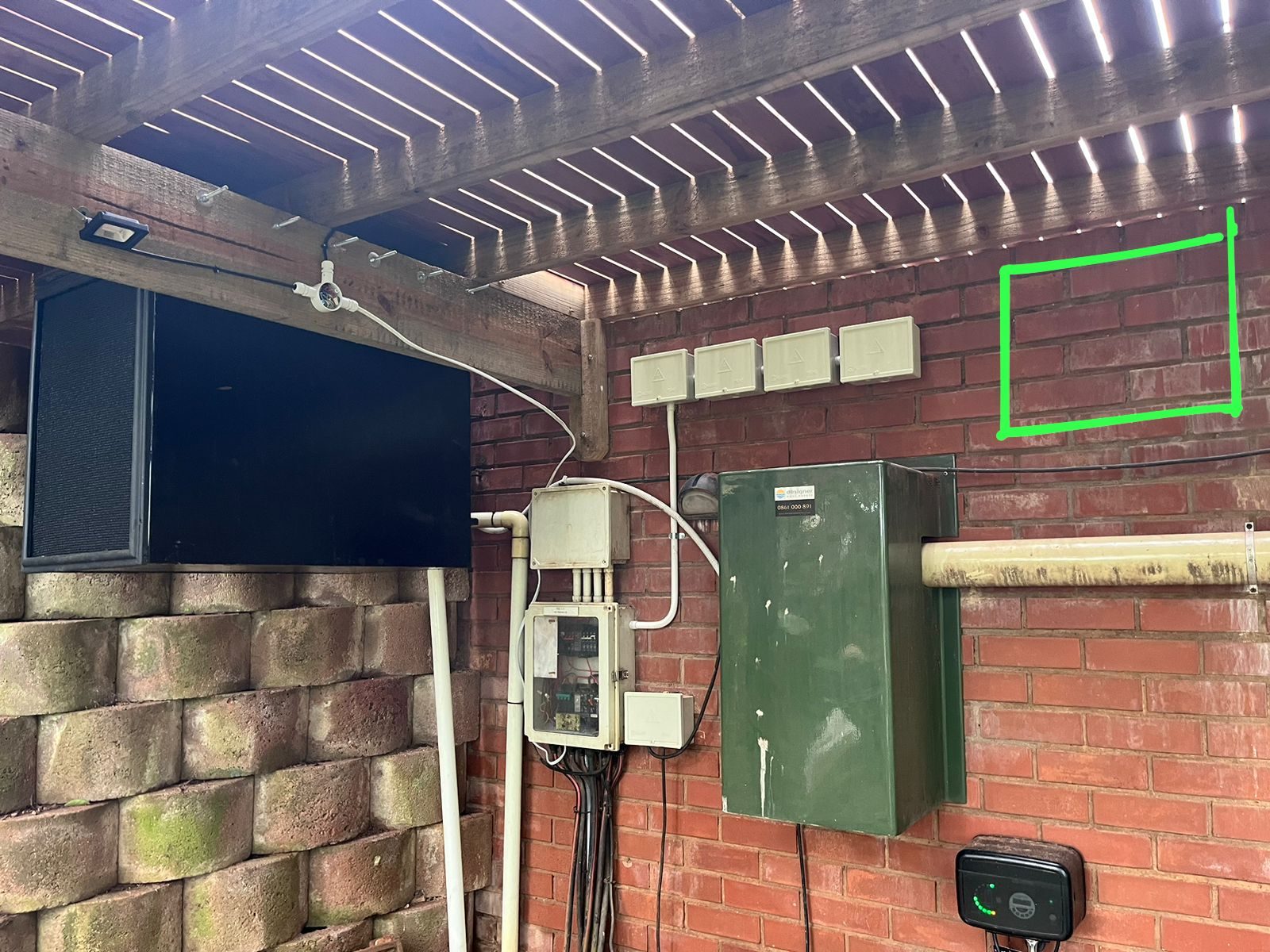
A network switch needs power, ventilation, cable access and service access.
It should not be squeezed into a cupboard that was never planned for equipment. It should not sit on the floor behind storage boxes. It should not be installed where nobody can reach it without unpacking half the house.
If a switch supports cameras, access points and automation, it becomes critical infrastructure.
It deserves a proper location.
The switch location also affects how cleanly the installation can be labelled and supported. When all important cables land in a logical place, the system can be tested, patched and documented. When switches are scattered randomly, support becomes slower and the client may not know which device controls which part of the home.
Cable distance affects design
Network cable has practical limits.
On a large property, the distance from the cabinet to the furthest point matters. If the head end is placed badly, some runs become difficult, marginal or impossible without intermediate planning.
This is why the technology team should be involved early.
Moving a cabinet position on paper is easy. Moving it after conduits, ceilings and joinery are complete is expensive.
This becomes even more important when the home includes outbuildings, gatehouses, garages, staff quarters or external entertainment areas. The network may need fibre links, secondary cabinets or carefully planned routes before the first conduit is installed.
Access points need wired backhaul
Good Wi-Fi in a large home is usually built from multiple wired access points.
Those access points need data cables back to the correct switch. Their locations should be chosen for coverage, aesthetics and future access. The network is not only about signal bars; it is about stable wired infrastructure behind the signal.
DG Technologies’ view
DG Technologies uses professional network planning because smart homes depend on IP communication.
Lighting, audio, CCTV, touch panels, apps, streaming and remote support all rely on the network behaving properly.
The router is important.
But in a large home, the cable and switch design often decides whether the whole system feels reliable.