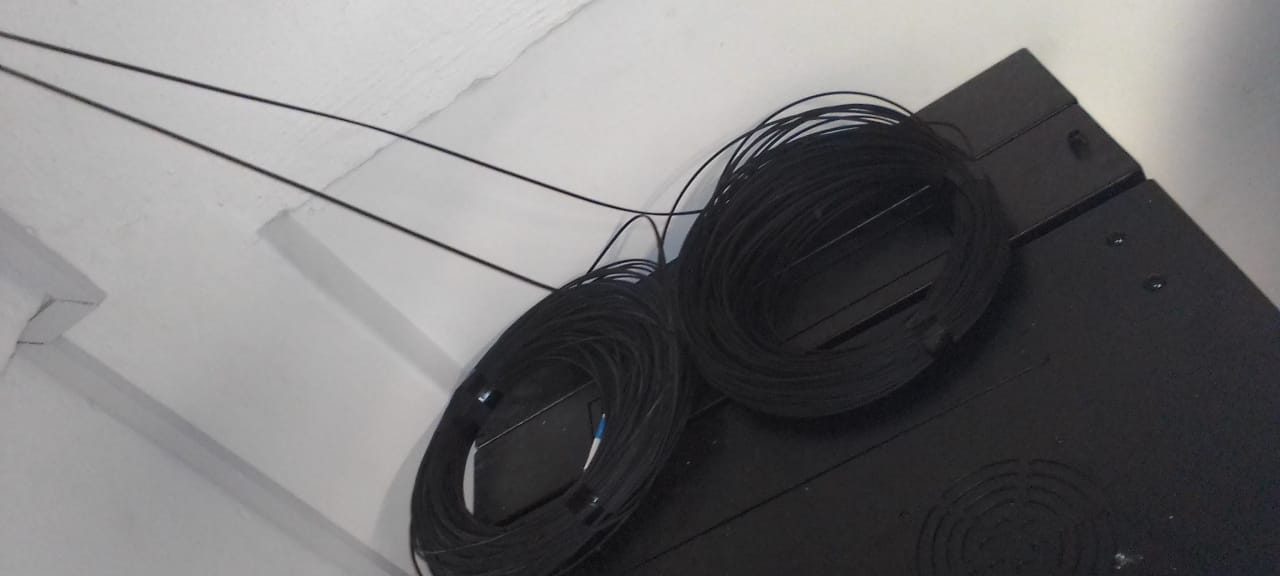
Cleaning up old conduit can make a property look much better.
But if that conduit contains or protects a live fibre route, it cannot be treated like ordinary redundant pipework.
Fibre is fragile.
The service is critical.
And once it is broken, the site may lose internet, remote access, CCTV connectivity, app control and commissioning ability.
That is why fibre splicing and testing must happen before old conduit is removed.
Do not remove what you have not traced
On renovations and upgrades, there is often old pipework that everyone wants gone.
Sometimes it is genuinely redundant.
Sometimes it is still carrying something important.
Before removing conduit, I want to know:
- what cable is inside it
- whether it is live
- where it enters and exits
- whether there is a replacement route
- whether the new route has been tested
- who is responsible for the final splice
Guessing is not acceptable.
Fibre work needs the right person
Fibre is not the same as pulling a Cat6 cable.
If the fibre needs to be joined, extended or repaired, it should be handled by someone with the proper splicing equipment and test method.
The AV or network team can coordinate the route, but the splice itself needs to be done properly.
A bad splice may still appear to work, but create intermittent problems later.
Sequence matters
The correct order is usually:
- confirm the existing fibre route
- prepare the new path
- schedule the fibre splice
- test the service
- protect the new route
- remove the old exposed conduit
- update the documentation
That sequence prevents the cosmetic work from damaging the functional system.
Internet loss affects more than browsing
When fibre goes down in a modern home, it is not only Netflix that stops.
It can affect:
- remote smart home access
- cloud CCTV access
- streaming audio
- intercom apps
- firmware updates
- solar monitoring
- remote support
- client communication while the project is still active
That is why I treat fibre routes as critical infrastructure.
The lesson
If old conduit is ugly, remove it.
But only after the live service has been protected.
The clean finish must not come at the cost of a broken network.
Good low-voltage work is not only about making the visible pipe disappear. It is about making sure the system still works when the cleanup is finished.