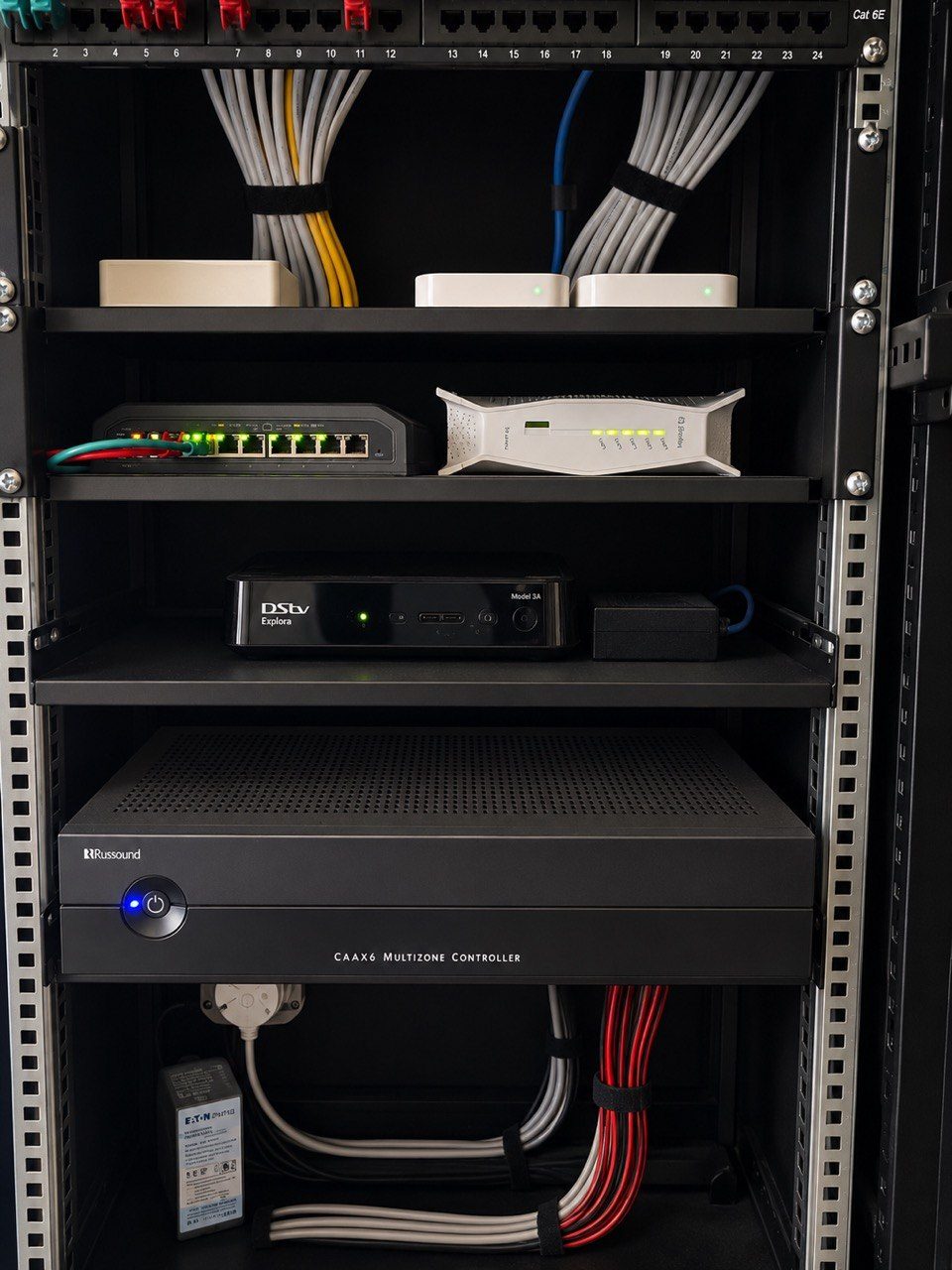
On a simple domestic callout, access may be easy.
The client is home. The installer arrives. The gate opens. The work starts.
Estate and commercial CCTV projects are different.
The technical work may involve cameras, recorders, PoE switches, fibre links, cabinets and apps, but the project can still fail for a much simpler reason:
The team cannot get to the right place at the right time.
For larger properties, secure estates, factories, warehouses and managed commercial sites, access planning is part of the job.
DG Technologies has learnt this repeatedly across CCTV, networking and estate technology work in KwaZulu-Natal. The smoothest installations are usually the ones where the access details were handled before the team arrived.
Security clearance affects the programme
Many KZN estates and commercial sites have contractor access procedures.
That may include:
- pre-approved names
- vehicle registration
- ID checks
- gate codes
- sign-in books
- induction rules
- working-hour restrictions
- escort requirements
- delivery coordination
If these details are not arranged, technicians can lose hours before a single cable is pulled.
For small jobs, that is frustrating. For larger CCTV projects, it can disrupt the entire sequence.
A camera team may need to coordinate with electricians, builders, security managers, facilities staff, tenants, house managers or estate guards. If the installer arrives before the right person is available, the work slows down.
Keys matter more than people think
Many CCTV points are not in convenient places.
The team may need access to:
- ceiling spaces
- plant rooms
- server rooms
- electrical rooms
- guardhouses
- roof areas
- storerooms
- loading zones
- external gates
- outbuildings
- locked cabinets
If keys are not available, the team may be forced to skip areas and return later.
That creates extra time, extra coordination and sometimes extra cost.
This is why professional installation planning should confirm access before the appointment. It is not admin for the sake of admin. It protects the job.
CCTV often touches operational areas
Commercial CCTV is rarely isolated from the business.
In a factory or warehouse, cameras may cover dispatch, receiving, refrigeration areas, racks, staff entrances, yard movement, parking, delivery routes and production zones.
Those areas may have safety rules, operational pressure or restricted access.
The installer must work around the site, not against it.
That means understanding where people move, when trucks arrive, which areas cannot be interrupted and who has authority to approve changes.
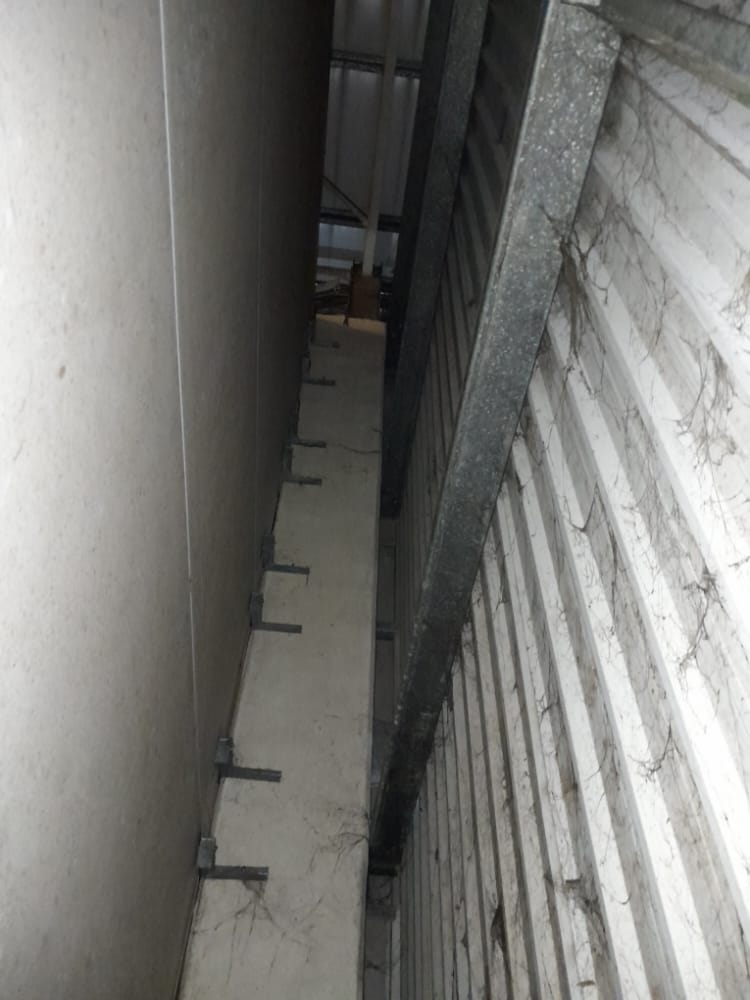
The same principle applies in large homes. A house manager, security guard, domestic team or estate office may need to know when contractors are arriving and where they will work.
Good access planning protects privacy
On high-end residential properties, access planning is also about discretion.
Clients do not want unknown contractors moving through private spaces without structure. They want respectful teams, clear appointments and minimal disruption.
That matters in estate homes, holiday homes and private residences where technology work may involve bedrooms, lounges, roof spaces, cinema rooms, garages, staff areas and external entertainment spaces.
The technology company must behave professionally because it is operating inside someone’s private environment.
DG Technologies treats this as part of the service, not an afterthought.
Planning reduces return visits
Many unnecessary return visits happen because one small access detail was missed:
- the gate was not notified
- the key was not available
- the roof area could not be accessed
- the server room was locked
- the guardhouse manager was offsite
- the correct person could not approve camera views
- a work area was occupied
- another trade blocked the route
For a larger CCTV project, each return visit affects scheduling, commissioning and handover.
It is better to plan properly.
The right people should be present for view decisions
Camera positions should not always be left to whoever happens to be onsite.
For a home, the owner or house manager may know which areas are important. For a business, the operations manager, security manager or facilities manager may understand the risk better than the accounts office. For an estate, the guardhouse or estate management team may have practical input.
If the right person is not present, camera views may be approved incorrectly.
That is why CCTV access planning should include decision access, not only physical access.
Someone must be available to confirm:
- which area matters most
- whether the proposed view is acceptable
- whether privacy masking is required
- whether a camera can be visible externally
- whether the mounting point is approved
- whether the cable route is acceptable
Professional CCTV includes project discipline
Good CCTV installation is not only technical.
It is also organised.
The installer should arrive with a clear plan, understand the site constraints, respect security procedures and communicate what needs to happen next.
For larger KZN homes, estates and commercial premises, that discipline is part of what the client is buying.
The result is a cleaner installation, fewer delays, fewer surprises and a system that is commissioned properly.
That is why DG Technologies treats access planning as part of professional CCTV work.
Because if the team cannot reach the right place, the camera cannot do its job.