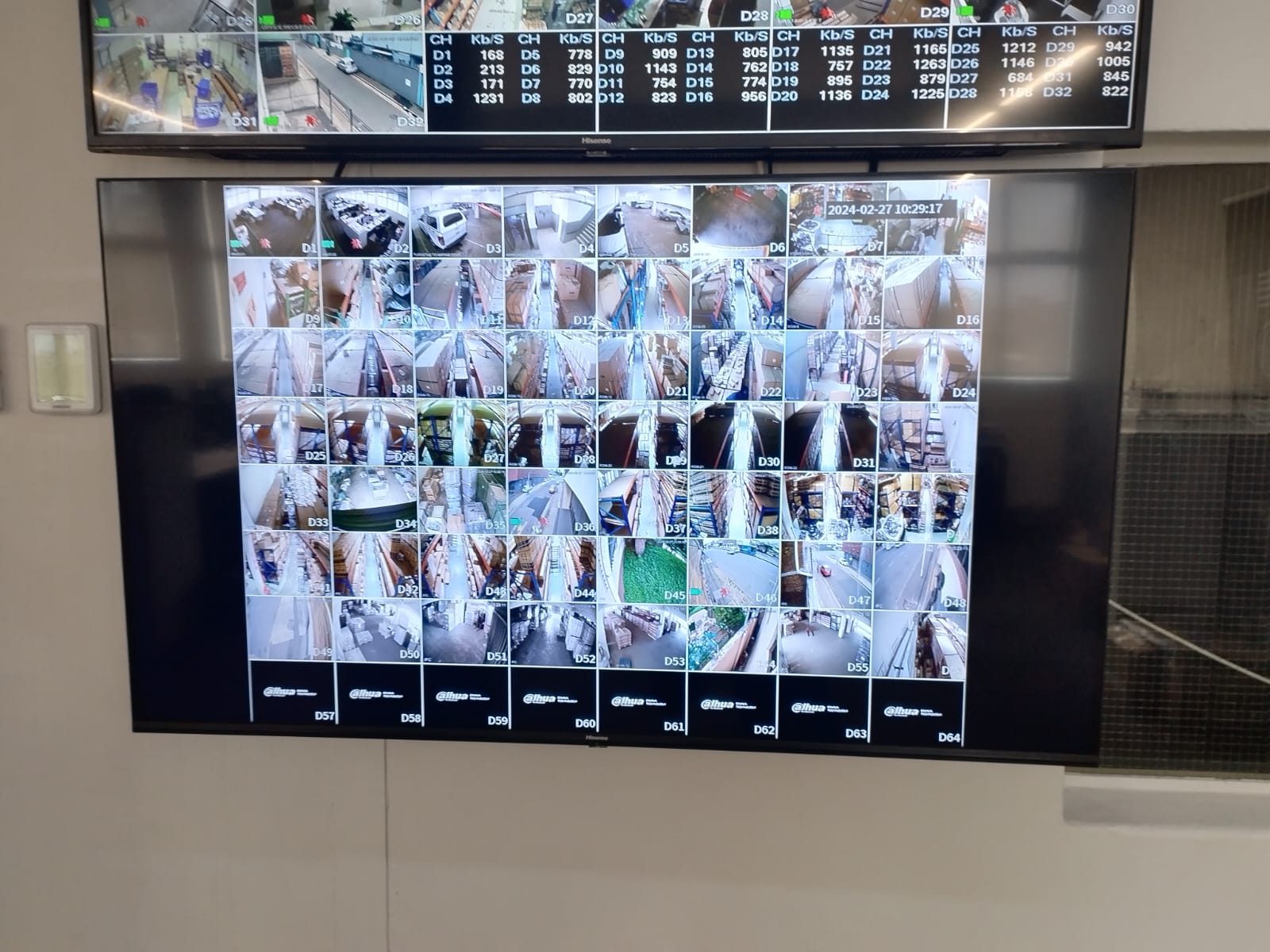
CCTV is only useful if it records when it matters.
The cameras may look good on a phone. The recorder may appear online. The client may believe they have weeks of footage. But if the hard drive is failing, incorrectly sized or not being checked, that confidence may be false.
CCTV hard drives should be treated as service items.
Recording is the real product
A live camera view is helpful.
But the real value of many CCTV systems appears after an incident.
Can the client find the footage? Is the time correct? Did the camera record? Is the hard drive healthy? Does the recorder still have the expected number of days? Can the footage be exported?
Those questions should not be answered for the first time during an emergency.
Hard drives work continuously
CCTV hard drives do not live an easy life.
They may write constantly, day after day, in a warm cabinet or rack. In commercial sites, estates and larger homes, they may support many cameras at once.
That workload is why storage should be checked as part of maintenance.
Drive age, error status, recording schedule, bit rate, camera count and retention days all matter.
More cameras can reduce retention
Clients sometimes add cameras without thinking about storage.
Each additional camera can reduce the number of days the recorder can store, depending on resolution, frame rate, compression and motion settings.
A system that once held 30 days may no longer hold 30 days after upgrades.
That is not a brand problem.
It is a design and maintenance question.
Recorder health should be proven
A proper check should confirm more than whether the recorder powers on.
It should include:
- hard-drive status
- recording schedule
- camera recording state
- playback test
- date and time accuracy
- expected retention period
- export process
- warning logs where available
We discuss the related evidence issue in why CCTV footage retrieval should be tested before an incident.
Professional CCTV is maintained, not assumed
For DG Technologies, professional CCTV installation includes thinking about the full recording chain.
Camera selection matters. Cabling matters. Network switching matters. UPS support matters. Recorder placement matters. Storage matters. Maintenance matters.
A hard drive is not exciting.
But when the client needs footage, it becomes one of the most important parts of the system.